


Annual Pet Wellness Exam: What’s Included?
- What Is a Pet Wellness Exam?
- Review of Your Pet
- Weight, Body Condition, and Muscle Condition
- Vital Signs and General Appearance
- Eyes and Ears
- Mouth, Teeth, and Gums
- Heart and Lungs
- Skin, Coat, and Lymph Nodes
- Abdominal Examination
- Joints, Mobility, and Muscle Strength
- Vaccination Review
- Parasite Prevention and Testing
- Does an Annual Wellness Exam Include Blood Work?
- Urinalysis and Other Screening Tests
- Nutrition and Weight Management
- Behavior and Lifestyle
- Are Vaccines, Tests, and Treatments Automatically Included?
- How Does a Wellness Exam Change as a Pet Gets Older?
- How Often Should Pets Have Wellness Exams?
- How Should You Prepare for a Wellness Visit?
- Why Wellness Exams Matter Even When Your Pet Seems Healthy
- Schedule Preventive Care Based on Your Pet
- Frequently Asked Questions About Pet Wellness Exams
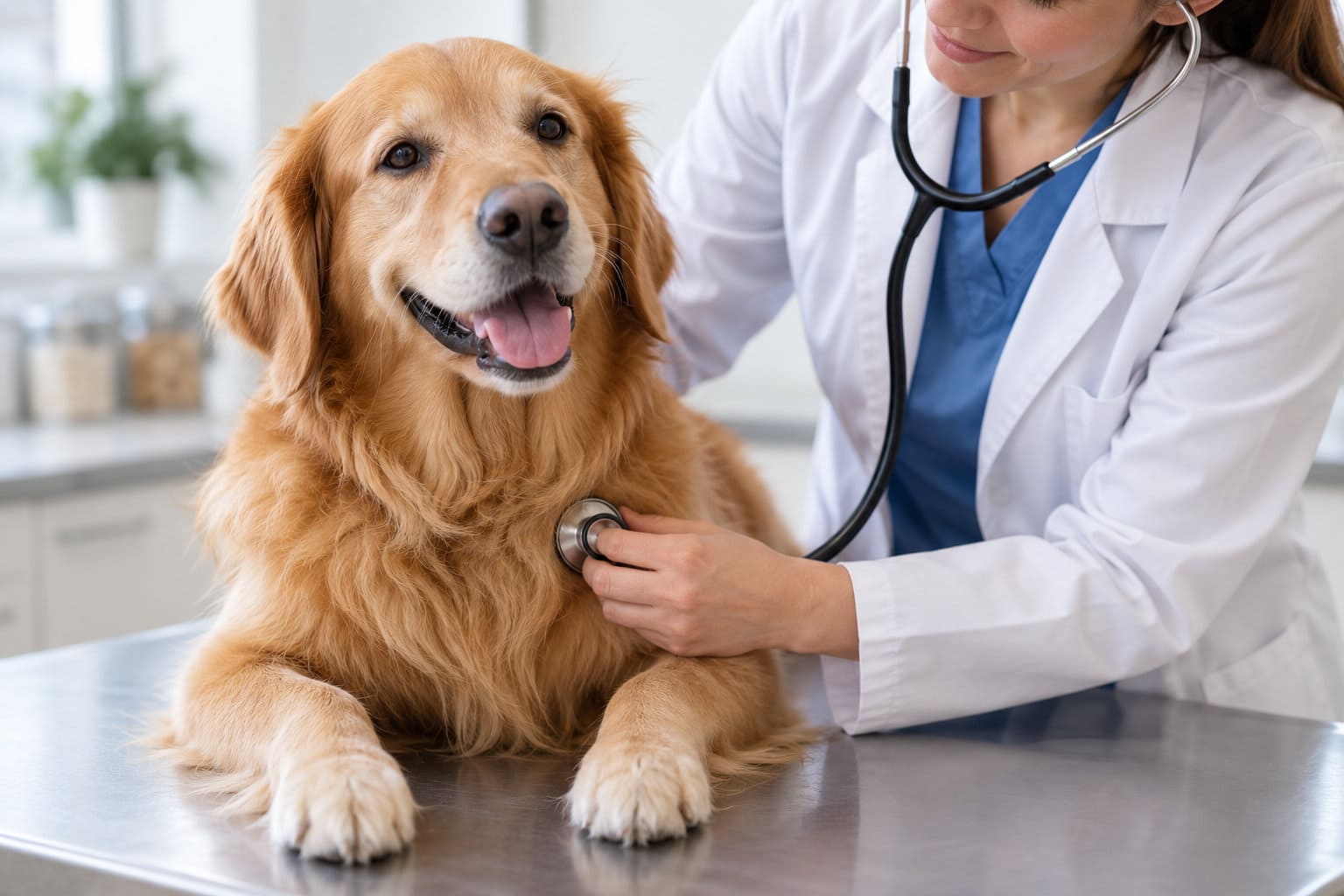
An annual wellness exam is one of the most important parts of preventive veterinary care. Even when a dog or cat appears completely healthy, a routine examination gives the veterinarian an opportunity to identify subtle changes, review preventive care, and establish what is normal for that individual pet.
A wellness visit is more than a quick physical check or an appointment for vaccines. It usually combines a review of your pet's history, a comprehensive physical examination, an assessment of lifestyle and disease risk, and recommendations for vaccinations, parasite prevention, dental care, nutrition, and diagnostic testing when appropriate.
Not every pet receives exactly the same tests or treatments at every annual exam. A young indoor cat, an active adult dog, and a senior pet taking medication may all need different preventive care plans.
What Is a Pet Wellness Exam?
A wellness exam is a preventive veterinary visit performed when a pet is generally healthy or does not have an immediate medical problem requiring a sick visit. Its purpose is to evaluate current health, identify risk factors, detect early abnormalities, and plan care for the months ahead.
During the appointment, the veterinarian combines information from several sources: what you have noticed at home, the pet's previous medical history, physical examination findings, and any appropriate screening tests.
This matters because many health problems begin gradually. Weight change, dental disease, arthritis, heart disease, kidney disease, endocrine disorders, skin conditions, and other problems may develop before a pet shows an obvious sign of illness.
Review of Your Pet's Medical History
The examination usually begins before the veterinarian ever places a stethoscope on your pet.
The veterinary team may ask about appetite, water intake, urination, bowel movements, activity, mobility, sleep, behavior, coughing, vomiting, itching, medications, supplements, previous illnesses, and any changes you have noticed since the last visit.
Lifestyle is also important. A dog that attends daycare, travels frequently, hikes in wooded areas, or visits dog parks has different infectious-disease and parasite risks from a dog with limited contact with other animals. An indoor cat may still have important preventive needs, but the risk assessment will not necessarily be identical to that of a cat that spends time outdoors.
Even changes that seem minor are worth mentioning. Drinking more water, hesitating before jumping, sleeping in a new location, becoming less social, or taking longer to finish a meal can sometimes provide useful clinical information.
Weight, Body Condition, and Muscle Condition
Body weight is recorded during most wellness visits, but the number on the scale does not tell the entire story.
Veterinarians also evaluate body condition, which helps determine whether a pet is underweight, at an appropriate weight, overweight, or obese. Muscle condition is another important consideration because an animal can lose muscle even when total body weight changes very little.
Tracking these measurements over time is particularly useful. A small change from one visit may not seem significant, but a consistent trend can indicate that nutrition, exercise, pain, aging, or an underlying health problem needs further attention.
Vital Signs and General Appearance
The veterinary team evaluates the pet's overall appearance and demeanor and may record parameters such as temperature, heart rate, and respiratory rate.
The veterinarian also observes posture, alertness, breathing effort, movement, and how the animal interacts with the environment. These observations can provide clues that are not always captured by laboratory testing alone.
Pain assessment is also part of a comprehensive health evaluation. Pets do not always vocalize when they are uncomfortable, and chronic pain may appear as reduced activity, reluctance to jump, stiffness, altered posture, irritability, or subtle behavioral changes.
Eyes and Ears
The veterinarian examines the eyes for abnormalities involving the eyelids, cornea, lens, pupils, discharge, redness, and other visible structures. Changes may indicate irritation, infection, injury, cataracts, inflammation, or other ocular disease.
The ears are checked for redness, odor, discharge, inflammation, excessive debris, pain, parasites, and other abnormalities. Dogs with allergies or recurrent ear disease may require particular attention, but cats can develop significant ear problems as well.
If the examination suggests a problem, additional testing may be recommended rather than treating the wellness exam itself as a complete diagnostic workup.
Mouth, Teeth, and Gums
Dental health is an important part of a wellness examination because periodontal disease can develop gradually and may cause significant discomfort before owners recognize a problem.
The veterinarian looks for plaque, tartar, gingivitis, fractured teeth, loose teeth, oral masses, abnormal odor, and other visible concerns.
However, an awake oral examination has limitations. Much of the tooth lies below the gumline, so a wellness exam cannot rule out every dental problem. If significant dental disease is suspected, the veterinarian may recommend a professional dental procedure with a more complete oral evaluation and dental imaging when indicated.
Heart and Lungs
Using a stethoscope, the veterinarian listens to the heart and lungs. The examination can reveal abnormalities such as a heart murmur, irregular rhythm, unusually fast or slow heart rate, or abnormal respiratory sounds.
Finding an abnormality does not automatically identify the cause. For example, a murmur is a physical examination finding rather than a diagnosis by itself. Depending on the pet's age, symptoms, and examination findings, additional tests such as chest radiographs, blood pressure measurement, an electrocardiogram, or cardiac ultrasound may be recommended.
Skin, Coat, and Lymph Nodes
The skin and coat can reveal a surprising amount about overall health. During the examination, the veterinarian looks for hair loss, redness, scaling, wounds, parasites, unusual pigmentation, infections, and evidence of itching or inflammation.
The body is also checked for lumps and masses. Owners should mention any new growth they have found at home or any existing lump that appears to be changing in size, shape, texture, or appearance.
Accessible lymph nodes are palpated for enlargement or other abnormalities. If a mass or enlarged lymph node raises concern, sampling may be recommended rather than trying to determine its nature by touch alone.
Abdominal Examination
The veterinarian gently palpates the abdomen to assess the size, position, and feel of structures that can be evaluated through the abdominal wall and to look for pain, unusual enlargement, masses, or fluid accumulation.
Some abnormalities can be suspected during palpation, but a normal abdominal examination does not rule out internal disease. Ultrasound, radiographs, blood testing, urinalysis, or other diagnostics may be needed when there are symptoms or abnormal physical findings.
Joints, Mobility, and Muscle Strength
A wellness exam also provides an opportunity to identify early mobility problems.
The veterinarian may watch how the pet walks, evaluate muscle mass, assess joints and range of motion, and look for stiffness or pain. These checks become increasingly important as pets age, but orthopedic problems can occur in younger animals as well.
Owners often notice changes at home before they become obvious in the examination room. Mention if your dog has become reluctant to climb stairs, your cat no longer jumps onto familiar surfaces, or your pet takes longer to rise after resting.
Vaccination Review
Vaccination status is usually reviewed during a wellness appointment, but an annual wellness exam does not mean that every vaccine is automatically administered every year.
The veterinarian determines which vaccines are due based on species, age, previous vaccination history, lifestyle, local disease risk, vaccine type, and applicable rabies requirements.
A pet may therefore come for an annual examination without needing certain vaccines at that particular visit. Preventive examinations and vaccination schedules overlap, but they are not the same thing.
Parasite Prevention and Testing
Parasite control is another important component of preventive care. The veterinarian may review flea, tick, heartworm, and intestinal parasite prevention and ask about travel, outdoor exposure, wildlife, and other pets in the household.
Depending on the species and individual risk, screening may include fecal testing for intestinal parasites and heartworm testing for dogs. Tick-borne disease screening may also be recommended for dogs based on geographic and lifestyle risk.
Preventive medication does not eliminate the value of screening. Testing can help identify infections that may otherwise go unnoticed.
Does an Annual Wellness Exam Include Blood Work?
Blood work is commonly recommended as part of preventive care, but it is not automatically identical for every pet or every appointment.
A veterinarian may recommend a complete blood count and blood chemistry panel to evaluate areas such as red and white blood cells, platelets, kidney and liver parameters, blood glucose, proteins, electrolytes, and other markers.
Screening tests are especially useful for establishing a baseline while a pet appears healthy. Results from future visits can then be compared with previous values, making gradual changes easier to identify.
Senior pets, animals taking certain medications, and pets with previous abnormalities or chronic disease often require more frequent laboratory monitoring than healthy young adults.
Urinalysis and Other Screening Tests
Urinalysis can provide information that blood testing alone cannot. It may help assess urine concentration and identify abnormalities involving glucose, protein, blood, urinary sediment, or other findings relevant to kidney and urinary health.
Depending on the pet, the veterinarian may also recommend fecal testing, heartworm testing, infectious-disease screening, blood pressure measurement, thyroid testing, or other diagnostics.
These tests should not be viewed as a fixed checklist. Preventive testing is most useful when selected according to the pet's age, species, history, medications, lifestyle, and previous results.
Nutrition and Weight Management
A wellness exam is also an appropriate time to review what and how much your pet eats.
The veterinarian may ask about the main diet, treats, table food, supplements, feeding schedule, and recent changes in appetite. Nutritional needs can change with growth, activity, reproductive status, body condition, disease, and aging.
If a pet is gaining or losing weight unexpectedly, the answer may not simply be to change portion size. Significant or unexplained weight changes sometimes warrant further investigation.
Behavior and Lifestyle
Behavior belongs in preventive medicine because behavioral changes can reflect both emotional and physical health.
House-soiling, aggression, increased vocalization, anxiety, hiding, altered sleep, reduced interaction, or sudden changes in activity may have a behavioral cause, a medical cause, or a combination of both.
The veterinarian may also discuss exercise, enrichment, social interaction, travel, boarding, environmental risks, and other aspects of daily life that influence health.
Are Vaccines, Tests, and Treatments Automatically Included?
This is an important distinction for pet owners.
The wellness examination itself is the veterinarian's assessment of the pet's health. Vaccines, laboratory tests, parasite screening, medications, diagnostic imaging, or other procedures may be recommended during the same appointment, but they are additional components of the preventive care plan rather than something every pet automatically needs at every visit.
The exact services performed should therefore depend on what the veterinarian finds and what is appropriate for that pet.
How Does a Wellness Exam Change as a Pet Gets Older?
The basic purpose of the exam remains the same throughout life, but the areas of emphasis change.
Puppies and kittens need close monitoring of growth and development as well as initial vaccination and parasite-prevention plans. Healthy adults generally focus more on maintaining appropriate weight, dental health, preventive protection, and identifying early changes.
Senior pets require closer attention because chronic and age-related diseases become more common. More frequent physical examinations and screening tests may be recommended even when an older pet appears healthy.
For senior dogs and cats, preventive screening commonly places greater emphasis on blood work, urinalysis, blood pressure, mobility, cognition, dental health, and changes in organ function.
How Often Should Pets Have Wellness Exams?
Dogs and cats should generally have a veterinary examination at least once a year, even when they appear healthy.
That is a minimum rather than a universal schedule. Puppies and kittens require multiple visits during early development. Senior pets and animals with chronic health conditions usually need more frequent monitoring, often every six months or according to an individualized medical plan.
Frequency should ultimately be based on life stage, species, breed, previous health problems, medications, and current findings rather than the calendar alone.
How Should You Prepare for a Wellness Visit?
You do not need an extensive checklist, but bringing useful information can make the appointment more productive.
Know what food your pet eats, including the approximate amount, treats, medications, supplements, and preventive products. Bring previous medical or vaccination records if the clinic does not already have them.
It can also help to make a short note of changes you have observed at home. Appetite, thirst, urination, stool, coughing, vomiting, mobility, sleep, behavior, and activity are all worth mentioning when something has changed.
If the clinic has requested a stool or urine sample or given specific fasting instructions for planned laboratory testing, follow those instructions rather than fasting your pet automatically before every wellness appointment.
Why Wellness Exams Matter Even When Your Pet Seems Healthy
The value of preventive medicine is often greatest before a problem becomes obvious.
Regular examinations allow the veterinarian to establish baselines and recognize changes over time. A new heart murmur, gradual weight loss, dental inflammation, a changing skin mass, loss of muscle, or reduced joint mobility may be identified during a routine visit before the owner realizes something is wrong.
No wellness examination can guarantee that a pet has no hidden disease, and normal physical findings do not eliminate the need for diagnostic testing when risk factors or symptoms are present. The purpose is to combine physical examination, history, and appropriate screening to improve the chance of finding meaningful health changes early.
Schedule Preventive Care Based on Your Pet's Needs
An annual wellness exam should not be a one-size-fits-all appointment. The most useful visit is one that considers your pet's species, age, lifestyle, medical history, previous test results, and current risk factors.
At VetQueens Animal Hospital in Queens, preventive care is available for both dogs and cats. Owners can schedule a dog wellness exam or a cat wellness exam to review their pet's current health and determine which examinations, vaccines, screenings, and preventive measures are appropriate for the next stage of life.
Frequently Asked Questions About Pet Wellness Exams
What is included in a pet wellness exam?
A wellness exam usually includes a review of your pet's medical history, a comprehensive physical examination, weight and body condition assessment, dental evaluation, and a discussion of vaccines, parasite prevention, nutrition, behavior, and other preventive care needs.
Does a wellness exam include blood work?
Not always. Blood work may be recommended based on your pet's age, health history, medications, previous test results, and physical examination findings. Senior pets and animals with chronic conditions often need laboratory testing more frequently.
Are vaccines included in every annual wellness exam?
No. Vaccination status is reviewed during the visit, but only vaccines that are due and appropriate for the individual pet are given. Some vaccines are administered annually, while others may be given at longer intervals.
How often should dogs and cats have wellness exams?
Most healthy adult dogs and cats should have a veterinary examination at least once a year. Puppies, kittens, senior pets, and animals with chronic medical conditions may need more frequent visits.
What does a veterinarian check during a physical exam?
The veterinarian may evaluate the eyes, ears, mouth, teeth, heart, lungs, skin, coat, lymph nodes, abdomen, joints, mobility, muscle condition, body weight, and overall appearance. The exact examination depends on the pet and any concerns identified during the visit.
Does an indoor pet still need an annual wellness exam?
Yes. Indoor pets can still develop dental disease, obesity, arthritis, kidney disease, heart disease, endocrine disorders, cancer, and other health problems that are unrelated to outdoor exposure.
Do senior pets need wellness exams more often?
Yes. Senior dogs and cats generally benefit from more frequent preventive evaluations, often about every six months. The veterinarian may also recommend periodic blood work, urinalysis, blood pressure measurement, or other screening based on the pet's health.
How should I prepare for my pet's wellness appointment?
Bring any relevant medical records and be ready to discuss your pet's diet, medications, supplements, appetite, water intake, urination, stool, activity, mobility, and behavior. If the clinic requests a stool or urine sample or gives fasting instructions, follow those directions before the visit.