


Cat Wheezing and What It Can Mean for Your Cat’s Health
- Why Wheezing in Cats Should Not Be Ignored
- What Wheezing Sounds Like in Cats
- Common Causes of Cat Wheezing
- Feline Asthma and Wheezing Episodes
- Respiratory Infections and Wheezing in Cats
- Can Hairballs Cause Wheezing in Cats
- Heart Disease and Wheezing in Cats
- How Veterinarians Diagnose Cat Wheezing
- Treatment Options for Cat Wheezing
- How to Reduce Wheezing Triggers at Home
- When to Seek Emergency Care for a Wheezing Cat
Why Wheezing in Cats Should Not Be Ignored
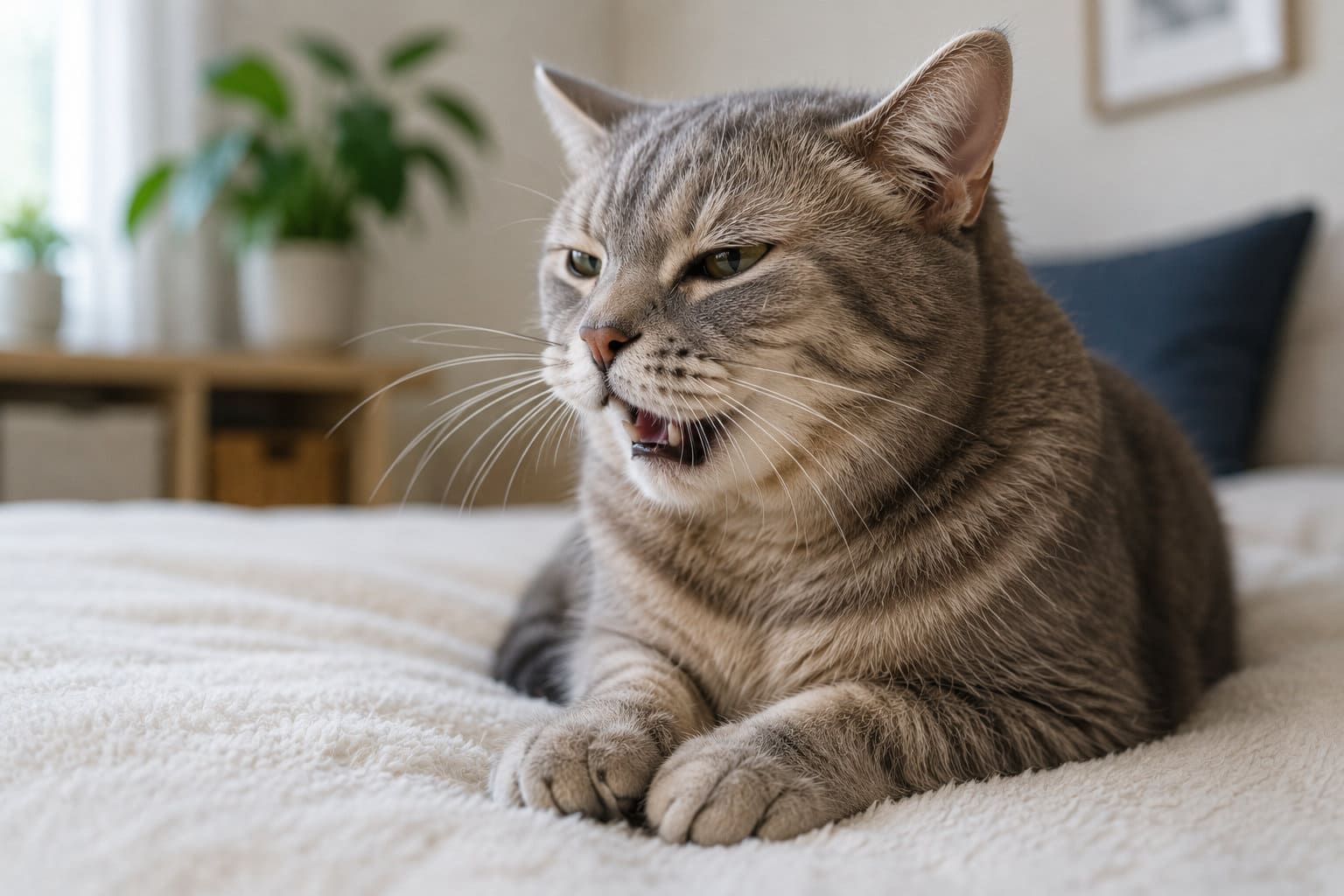
Cat wheezing is a symptom that can sound like a soft whistle, raspy breathing, or a high-pitched noise when a cat inhales or exhales. Some cats wheeze only occasionally, while others may have repeated episodes that become worse over time.
Wheezing usually happens when there is inflammation, narrowing, or blockage somewhere in the airways. In some cases, a wheezing cat may simply have mild irritation from dust, smoke, or allergies. In other situations, wheezing may be caused by asthma, respiratory infections, heart disease, parasites, or a foreign object in the airway.
Many cat owners mistake wheezing for coughing, gagging, or hairball problems. Cats often crouch low to the ground and stretch their neck forward when they wheeze, which can make it look like they are trying to vomit.
“Wheezing is never considered normal in cats. Even if symptoms come and go, repeated breathing changes should always be evaluated by a veterinarian.”
If your cat is making unusual breathing noises, breathing faster than normal, or struggling to catch its breath, it is important to schedule a veterinary appointment.
What Wheezing Sounds Like in Cats
Not all breathing noises are true wheezing. Some cats may snore, cough, purr loudly, or make congestion sounds that can be confused with airway problems.
Wheezing is usually a whistling or squeaking sound caused by narrowed airways. It may happen only during activity, or it may happen while the cat is resting.
Cats with wheezing may also show changes in body posture. They may crouch down, extend the neck, or breathe with more visible effort.
Common signs that may happen along with wheezing include:
- Rapid breathing
- Open-mouth breathing
- Coughing
- Sneezing
- Low energy
- Blue or pale gums
- Neck stretched forward
- Difficulty exercising or playing
Cats that are breathing with an open mouth or showing blue gums need immediate emergency care.
Common Causes of Cat Wheezing
There are many possible reasons why a cat may wheeze. Some causes are mild and temporary, while others can become life-threatening.
Feline asthma is one of the most common reasons for chronic wheezing in cats. Allergies, upper respiratory infections, heart disease, and parasites can also cause wheezing.
Cats living in apartments or homes with cigarette smoke, scented candles, dusty litter, cleaning sprays, or air fresheners may be more likely to develop airway irritation.
Common causes of wheezing in cats include:
- Feline asthma
- Respiratory infections
- Allergies
- Heart disease
- Lungworms or parasites
- Foreign objects in the airway
- Nasal polyps
- Obesity
- Fluid around the lungs
- Cancer affecting the chest or airway
Because the possible causes are so different, it is important not to assume wheezing is only a hairball issue.
Feline Asthma and Wheezing Episodes
Feline asthma is one of the leading causes of wheezing in cats. Asthma causes inflammation and narrowing of the airways, which makes it harder for air to move in and out of the lungs.
Cats with asthma often have sudden episodes of wheezing, coughing, or heavy breathing. During an asthma attack, a cat may crouch low, extend the neck, and appear panicked.
Triggers for asthma can include smoke, dust, pollen, strong fragrances, scented litter, mold, and household sprays.
Signs of feline asthma may include:
- Wheezing sounds
- Dry coughing
- Open-mouth breathing
- Rapid breathing
- Difficulty exercising
- Episodes that come and go
“Asthma attacks in cats can become dangerous very quickly. A cat that is breathing with an open mouth should be treated as an emergency.”
Many cats with asthma can be managed successfully with medication and environmental changes.
Respiratory Infections and Wheezing in Cats
Upper respiratory infections are common in cats and can sometimes cause wheezing. Cats with respiratory infections often have congestion, sneezing, nasal discharge, watery eyes, and reduced appetite.
Kittens, senior cats, and cats living in shelters or multi-cat households are more likely to develop respiratory infections.
Viral infections such as feline herpesvirus and calicivirus are common causes of chronic respiratory problems. Secondary bacterial infections may also happen.
Symptoms of respiratory infections may include:
- Wheezing
- Sneezing
- Nasal discharge
- Eye discharge
- Fever
- Loss of appetite
- Low energy
- Congestion
Cats with severe respiratory infections may need medication, fluids, and supportive care.
Can Hairballs Cause Wheezing in Cats
Many owners assume that every coughing or gagging episode is caused by a hairball, but this is not always true. Hairballs usually cause short episodes of gagging or retching, while wheezing is more related to breathing difficulty.
Cats with asthma are often misdiagnosed as having hairballs because they crouch low to the ground and make repeated coughing sounds.
If a cat frequently seems to be coughing up hairballs but rarely produces an actual hairball, it may be time to investigate asthma or another airway issue.
Important differences between hairballs and wheezing include:
- Hairballs usually involve gagging and retching
- Wheezing often sounds like whistling or squeaking
- Asthma attacks may involve rapid breathing
- Hairball episodes are usually shorter
- Repeated coughing without hairball production may signal a breathing disorder
Cats that frequently cough, wheeze, or gag should be evaluated to determine the true cause.
Heart Disease and Wheezing in Cats
Heart disease can sometimes cause breathing changes in cats, especially if fluid begins to build up around the lungs.
Cats with heart disease may breathe faster than normal, seem tired, hide more often, or lose interest in activity. In severe cases, they may wheeze or struggle to breathe.
Hypertrophic cardiomyopathy is one of the most common forms of heart disease in cats. Maine Coons, Ragdolls, Persians, and British Shorthairs may have a higher risk.
Signs of heart-related breathing problems in cats may include:
- Wheezing or rapid breathing
- Fatigue
- Weakness
- Reduced activity
- Loss of appetite
- Pale gums
- Open-mouth breathing
“Cats are very good at hiding heart disease, which is why breathing changes may be one of the first symptoms owners notice.”
Cats with possible heart disease often need chest X-rays, heart ultrasound, and blood pressure testing.
How Veterinarians Diagnose Cat Wheezing
A veterinarian will usually begin by listening to the cat’s lungs and heart while asking questions about when the wheezing happens and whether other symptoms are present.
Chest X-rays are one of the most important tools for diagnosing wheezing because they can help identify asthma, pneumonia, fluid in the lungs, heart disease, or tumors.
Blood tests, parasite testing, ultrasound, and airway evaluation may also be recommended depending on the suspected cause.
Diagnostic tests for wheezing in cats may include:
- Physical examination
- Chest X-rays
- Bloodwork
- Fecal parasite testing
- Heart ultrasound
- Oxygen level monitoring
- Airway examination
- Allergy evaluation
Because breathing problems can worsen quickly, some cats may need oxygen support before testing continues.
Treatment Options for Cat Wheezing
Treatment depends on the underlying cause. Cats with asthma may need inhalers, steroids, or bronchodilators. Cats with infections may need antibiotics or antiviral medication.
Cats with heart disease may need medication to reduce fluid buildup and improve heart function. If a foreign object is present, removal may be necessary.
Environmental changes can also help reduce wheezing. Removing smoke, strong fragrances, dusty litter, and household sprays may improve symptoms in some cats.
Treatment options for wheezing in cats may include:
- Steroids
- Bronchodilator medication
- Inhalers for asthma
- Antibiotics
- Oxygen therapy
- Parasite treatment
- Heart medication
- Environmental changes
“Never give human asthma medication to a cat unless your veterinarian specifically instructs you to do so.”
Cats can react very differently to medications than people, and some drugs may be dangerous.
How to Reduce Wheezing Triggers at Home
Some cats experience wheezing because of irritation in the environment. Improving air quality in the home may help reduce symptoms.
Cats with asthma or allergies often do better when smoke, scented candles, aerosol sprays, and dusty litter are removed from the environment.
Air purifiers may also help reduce allergens in some homes. Keeping the home clean and reducing dust buildup can make breathing easier.
Helpful ways to reduce wheezing triggers at home include:
- Use unscented litter
- Avoid smoking indoors
- Limit strong cleaning products
- Use air purifiers
- Reduce dust in the home
- Avoid candles and fragrances
Cats living in apartments in New York City may be more exposed to smoke, dust, and poor ventilation, which can make respiratory symptoms worse.
When to Seek Emergency Care for a Wheezing Cat
Any cat that is breathing with an open mouth, breathing very rapidly, collapsing, or showing blue gums should be taken to an emergency veterinarian immediately.
Cats that wheeze repeatedly, stop eating, hide more often, or show worsening symptoms should also be examined as soon as possible.
Veterinary clinics in Queens often recommend urgent evaluation for any cat with repeated wheezing episodes because breathing problems can become severe very quickly.
If your cat is wheezing, it may be time to schedule an exam, ask about diagnostic testing, discuss treatment options, and learn more about the possible causes, long-term management, and cost of care. Early treatment can help your cat breathe easier and avoid more serious complications.