


Diabetes in Dogs
- Why Diabetes in Dogs Is Becoming More Common
- What Causes Diabetes in Dogs
- Early Signs of Diabetes in Dogs
- How Diabetes Affects a Dog’s Body
- Breeds That Are More Likely to Develop Diabetes
- How Veterinarians Diagnose Diabetes in Dogs
- Treatment Options for Diabetic Dogs
- Best Diet for Dogs With Diabetes
- Complications of Untreated Diabetes in Dogs
- Can Diabetes in Dogs Be Prevented
- When to Schedule a Vet Visit for Diabetes Symptoms
Why Diabetes in Dogs Is Becoming More Common
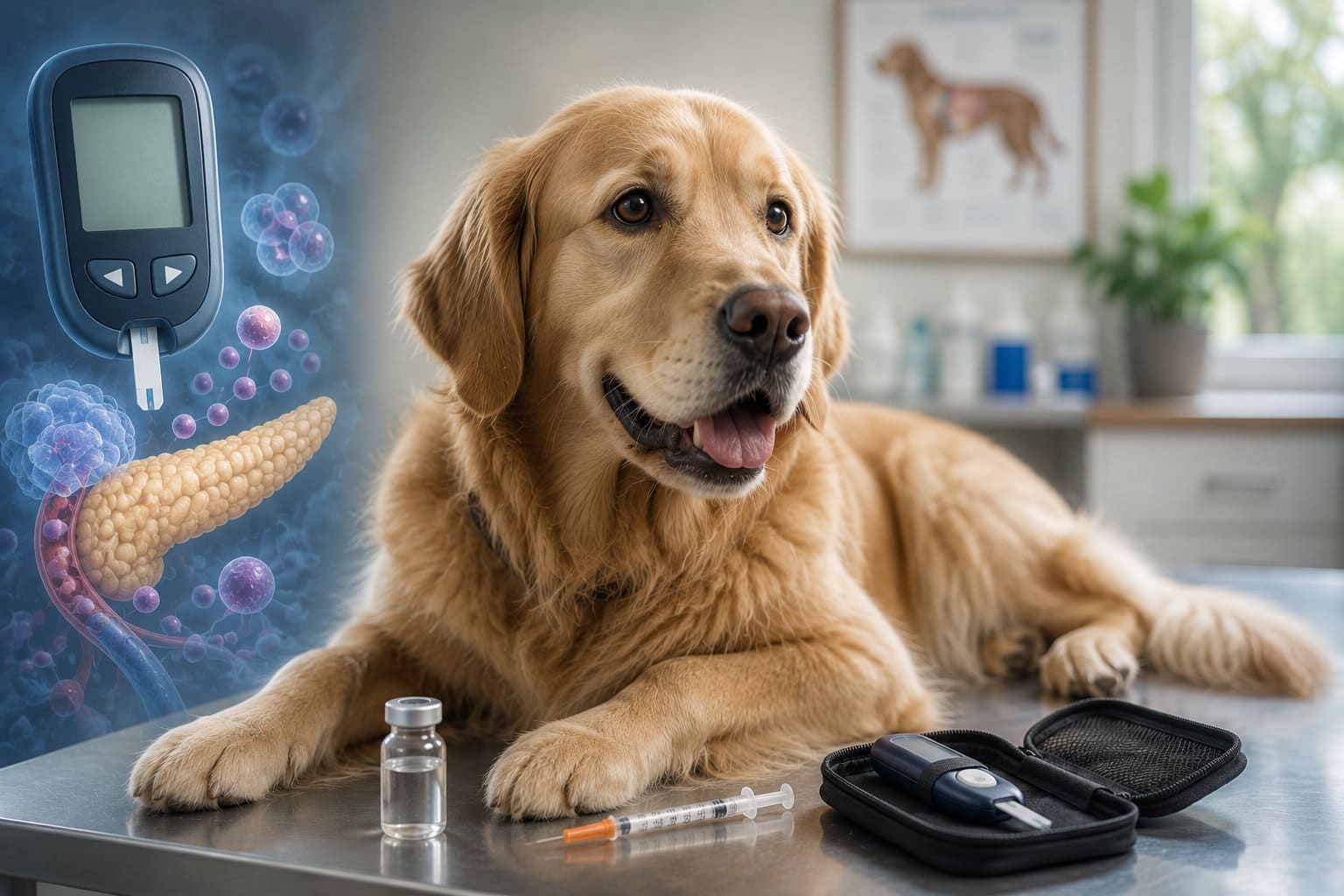
Diabetes in dogs is a serious but manageable medical condition that affects thousands of pets every year. Just like in humans, canine diabetes develops when the body cannot properly regulate blood sugar levels. This usually happens because the pancreas either does not produce enough insulin or the dog’s body does not respond to insulin correctly.
Many dog owners are surprised to learn how common diabetes has become, especially among middle-aged and senior dogs. Obesity, lack of exercise, genetics, and hormonal changes all play a role in increasing the risk. Some breeds are more likely to develop diabetes, and female dogs may be diagnosed more often than males.
In New York City, veterinarians are seeing more cases of diabetes in dogs as pets live longer lives and become more prone to chronic illnesses. Early detection is extremely important because untreated diabetes can lead to serious complications, including blindness, infections, weight loss, and even life-threatening emergencies.
“Many owners assume their dog is simply getting older, but increased thirst, constant hunger, and sudden weight loss can be early signs of diabetes.”
The good news is that many diabetic dogs can continue living happy and active lives with the right treatment plan, diet, medication, and regular veterinary monitoring.
What Causes Diabetes in Dogs
There is no single cause of diabetes in dogs. In most cases, several factors contribute to the development of the disease. The most common form of diabetes in dogs is similar to Type 1 diabetes in people, where the pancreas no longer produces enough insulin.
Obesity is one of the biggest risk factors because excess body fat can interfere with normal insulin function. Hormonal disorders such as Cushing’s disease can also increase the risk. Some medications, including long-term steroid use, may contribute to diabetes as well.
Genetics also matter. Certain breeds are more likely to develop diabetes, including Miniature Schnauzers, Dachshunds, Poodles, Beagles, Pugs, and Australian Terriers.
Common causes and risk factors for diabetes in dogs include:
- Obesity and excess weight
- Chronic pancreatitis
- Hormonal disorders
- Long-term steroid medication use
- Genetics and breed predisposition
- Lack of physical activity
- Older age
- Poor diet
Spayed female dogs may have a lower risk of certain hormone-related complications compared to unspayed females. This is one reason why veterinarians often recommend spay surgery as part of long-term preventive health care.
Early Signs of Diabetes in Dogs
The first symptoms of diabetes in dogs are often easy to miss. Many owners notice that their dog suddenly seems thirstier than usual. They may begin drinking excessive amounts of water and needing to go outside more often to urinate.
Dogs with diabetes often have a strong appetite because their bodies are not able to use glucose properly for energy. Despite eating more, many dogs continue to lose weight. This combination of increased hunger and unexplained weight loss is one of the most classic signs of canine diabetes.
Some dogs may also become tired more easily, sleep more than usual, or lose interest in exercise and playtime. Changes in the coat, frequent skin infections, and recurring urinary tract infections can also happen.
Common early symptoms of diabetes in dogs include:
- Drinking more water than usual
- Frequent urination
- Increased appetite
- Weight loss
- Low energy and fatigue
- Cloudy eyes or vision changes
- Recurrent skin or urinary infections
- Sweet-smelling breath
Because many of these symptoms overlap with kidney disease, thyroid disorders, and Cushing’s disease, veterinary testing is needed to confirm the diagnosis.
How Diabetes Affects a Dog’s Body
Diabetes affects far more than blood sugar levels. Glucose is the body’s main source of energy, and without enough insulin, sugar cannot move properly from the bloodstream into the cells.
As blood sugar rises, the kidneys try to remove excess glucose through the urine. This leads to increased thirst and urination. Over time, high blood sugar can damage organs, blood vessels, nerves, and the immune system.
Dogs with uncontrolled diabetes may develop muscle weakness, chronic infections, poor wound healing, and digestive problems. Cataracts are also very common in diabetic dogs and can sometimes develop quickly.
The longer diabetes goes untreated, the more strain it places on the body. That is why veterinarians recommend immediate testing if a dog shows possible symptoms.
Important body systems affected by diabetes include:
- Eyes and vision
- Kidneys and urinary tract
- Nervous system
- Immune system
- Liver and pancreas
- Muscles and joints
Dogs that receive treatment early often have fewer complications and a better long-term outlook.
Breeds That Are More Likely to Develop Diabetes
While any dog can develop diabetes, some breeds appear to have a higher risk than others. Genetics can influence how the pancreas functions and how the body responds to insulin.
Miniature Schnauzers are one of the breeds most commonly diagnosed with diabetes. Poodles, especially Miniature and Toy Poodles, also appear to have a higher risk. Dachshunds, Cairn Terriers, Beagles, and Samoyeds are also commonly affected.
Breed alone does not guarantee that a dog will develop diabetes, but owners of higher-risk breeds should pay close attention to changes in thirst, appetite, weight, and energy.
“Knowing your dog’s breed-related risks can help you catch diabetes earlier and avoid serious complications.”
Senior dogs and overweight dogs should receive routine veterinary exams and blood testing at least once a year, even if they seem healthy.
How Veterinarians Diagnose Diabetes in Dogs
Diagnosing diabetes usually starts with a physical exam and a discussion about symptoms. Veterinarians often ask about changes in water intake, urination, appetite, weight, and activity level.
Blood tests are used to measure glucose levels. Dogs with diabetes usually have consistently elevated blood sugar. Urine testing is also important because glucose in the urine is one of the key indicators of diabetes.
Additional tests may be recommended to check for infections, kidney disease, pancreatitis, liver problems, or other medical conditions that may affect treatment.
Diagnostic tests for diabetes in dogs often include:
- Blood glucose testing
- Urinalysis
- Complete blood count
- Blood chemistry panel
- Fructosamine testing
- Abdominal ultrasound
- Urine culture if infection is suspected
Many veterinary clinics in Queens recommend annual wellness testing for senior dogs because diabetes often develops gradually and can be detected before symptoms become severe.
Treatment Options for Diabetic Dogs

Most dogs with diabetes need insulin injections to control their blood sugar levels. Insulin is usually given once or twice daily depending on the type of insulin prescribed and the dog’s individual needs.
Many owners feel nervous about giving injections at first, but most learn quickly and find that dogs tolerate insulin injections very well. Veterinarians usually demonstrate how to give insulin safely at home.
Diet is also extremely important. Dogs with diabetes often do best on a consistent feeding schedule with balanced meals that help regulate blood sugar.
Treatment plans for diabetic dogs may include:
- Daily insulin injections
- Prescription diabetic dog food
- Regular blood sugar monitoring
- Weight management
- Exercise plan
- Routine veterinary checkups
- Treatment for infections or other related conditions
“Consistency is one of the most important parts of diabetes management. Dogs do best when meals, insulin, and exercise happen at the same times every day.”
Some dogs may also need treatment for obesity, dental disease, urinary infections, or cataracts as part of their overall care plan.
Best Diet for Dogs With Diabetes
Nutrition is one of the most important tools for controlling diabetes in dogs. A diabetic dog diet should help stabilize blood sugar levels while supporting healthy body weight.
Many veterinarians recommend diets that are high in fiber and moderate in protein. Foods with too much sugar or simple carbohydrates may cause blood sugar spikes.
Meal timing is also important. Dogs with diabetes often need to eat at the same time each day, especially around insulin injections. Sudden changes in food or meal schedule can make diabetes harder to control.
Helpful dietary tips for diabetic dogs include:
- Feed meals on a consistent schedule
- Avoid sugary treats
- Choose veterinarian-approved diabetic diets
- Maintain healthy body weight
- Limit table scraps
- Use low-calorie treats if needed
Dog owners should always speak with their veterinarian before changing food, adding supplements, or adjusting meal schedules.
Complications of Untreated Diabetes in Dogs
Untreated diabetes can become extremely dangerous. High blood sugar over time can damage organs and lead to serious medical emergencies.
One of the most common complications is cataracts. Many diabetic dogs develop cloudy eyes and vision loss if blood sugar is not controlled properly. Urinary tract infections and skin infections are also common.
In severe cases, dogs can develop diabetic ketoacidosis, also known as DKA. This is a life-threatening emergency that happens when the body begins breaking down fat too quickly for energy.
Warning signs of diabetic ketoacidosis may include:
- Severe vomiting
- Weakness or collapse
- Refusing food
- Trouble breathing
- Severe dehydration
- Sweet-smelling breath
- Confusion or lethargy
If your dog shows these symptoms, emergency veterinary care is needed immediately.
Can Diabetes in Dogs Be Prevented
Not every case of diabetes can be prevented, but healthy habits can reduce the risk. Keeping a dog at a healthy weight is one of the best ways to lower the chance of diabetes.
Regular exercise also helps because physical activity supports healthy blood sugar levels and weight management. Avoiding excessive treats and feeding a balanced diet may also help.
Routine veterinary exams are important because many dogs show mild symptoms long before owners realize something is wrong. Annual bloodwork can often detect early changes.
Prevention tips for diabetes in dogs include:
- Keep your dog at a healthy weight
- Provide regular daily exercise
- Avoid overfeeding and excessive treats
- Schedule annual wellness exams
- Monitor changes in appetite and thirst
- Treat hormone disorders early
- Discuss long-term steroid use with your veterinarian
Dogs in busy urban environments like NYC may get less exercise than dogs in suburban areas, so owners should pay close attention to weight gain and activity levels.
When to Schedule a Vet Visit for Diabetes Symptoms
Any dog showing increased thirst, frequent urination, increased appetite, weight loss, cloudy eyes, or fatigue should be seen by a veterinarian. These symptoms can worsen quickly if diabetes is left untreated.
Many dog owners wait too long because they assume the changes are part of aging. However, senior dogs should never be drinking excessively or losing weight without explanation.
Veterinary clinics in Queens often recommend immediate testing when symptoms first appear. Early diagnosis means treatment can start sooner, which often leads to better results and fewer complications.
If your dog may have diabetes, it is important to schedule an exam, discuss testing, and ask about treatment options, insulin, diabetic dog food, follow-up care, and the cost of long-term diabetes management. The sooner a diagnosis is made, the better the chances of helping your dog live a longer and healthier life.