


Dog Vaccination Schedule in the U.S.
- Which Vaccines Do Dogs Need?
- Puppy Vaccination Schedule
- What Are DAPP, DHPP, and DA2PP Vaccines?
- Why Puppies Need Multiple Vaccines
- Leptospirosis Vaccination
- When Should a Puppy Get a Rabies Vaccine?
- Lifestyle Vaccines: Which Dogs May Need Them?
- When Is a Puppy Fully Vaccinated?
- Adult Dog Vaccination Schedule
- What If an Adult Dog Has No Vaccination Records?
- What If Your Dog Is Overdue for Vaccines?
- Do Senior Dogs Still Need Vaccines?
- Can Vaccine Titers Replace Booster Vaccinations?
- Are Dog Vaccines Safe?
- Why Your Dog
- Creating the Right Vaccination Schedule for Your Dog
- FAQ
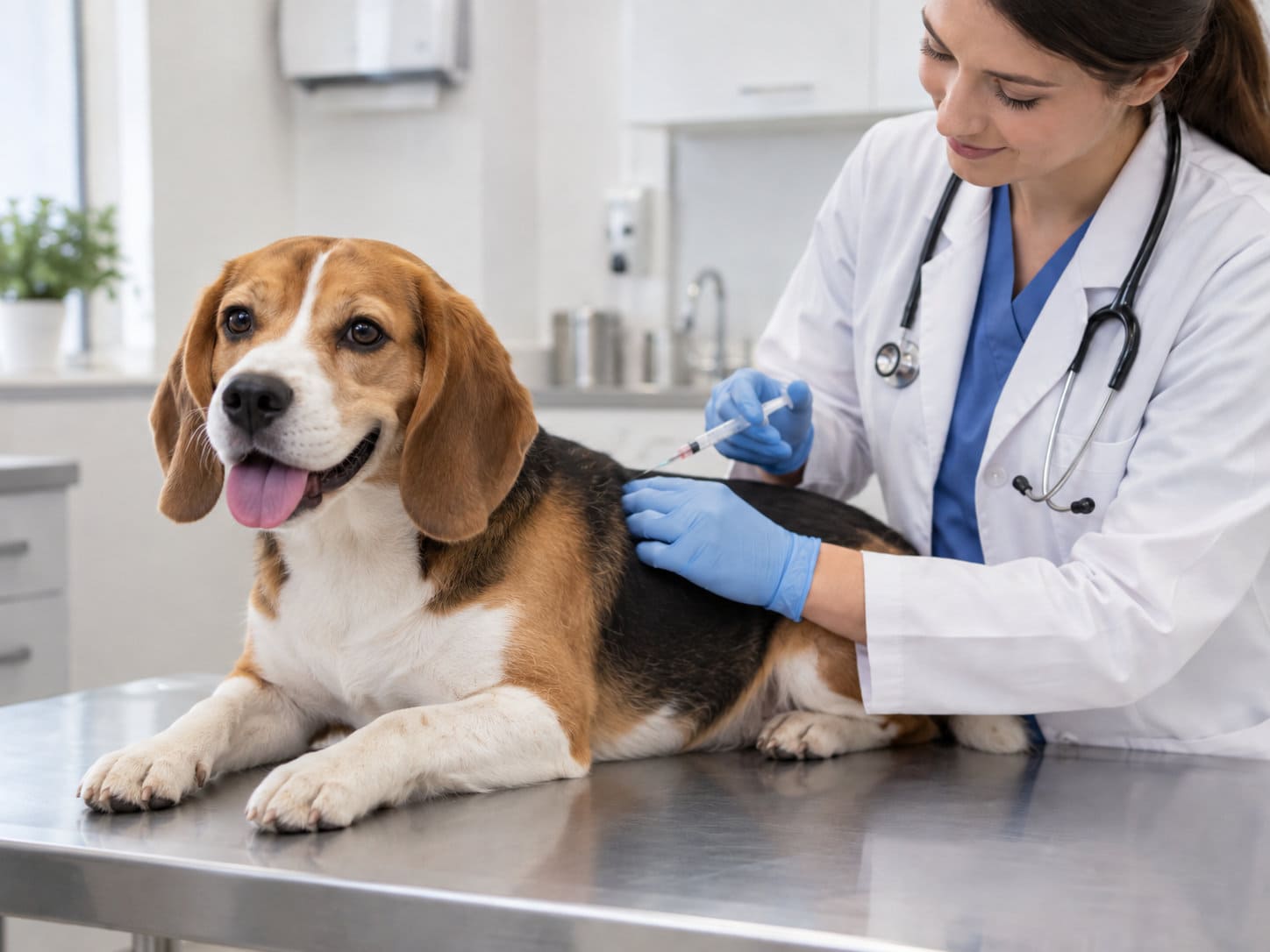
Vaccines protect dogs against several serious and potentially fatal infectious diseases, but figuring out which shots a dog needs — and when — is not always straightforward. Puppies receive a series of vaccines during their first months of life, while adult dogs may need some boosters every year and others only every few years.
There is also no single vaccination calendar that fits every dog in the United States. Age, previous vaccination history, lifestyle, travel, geographic location, exposure to other dogs and wildlife, and local rabies laws can all affect the schedule.
A good vaccination plan therefore combines established veterinary guidelines with the individual dog's risk factors rather than simply giving every available vaccine at the same interval.
Which Vaccines Do Dogs Need?
Canine vaccines are generally divided into core vaccines and vaccines recommended according to a dog's lifestyle and exposure risk.
According to current American Animal Hospital Association (AAHA) guidance, core vaccination for dogs includes protection against canine distemper virus, canine adenovirus, canine parvovirus, leptospirosis, and rabies. Parainfluenza is also commonly included in combination vaccines.
One important change occurred in 2024, when AAHA updated its recommendations and designated leptospirosis vaccination as a core vaccine for dogs. It had previously been treated primarily as a risk-based vaccine. The change reflects evidence that exposure is not limited to rural, hunting, or highly active dogs; urban and suburban dogs can also encounter contaminated environments.
Other vaccines may be recommended depending on the dog's lifestyle. Common examples include vaccines against Bordetella bronchiseptica, canine influenza, and Lyme disease.
Puppy Vaccination Schedule
Most puppies begin their core vaccination series at approximately 6 to 8 weeks of age. They need several doses because antibodies received from their mother can temporarily interfere with the puppy's response to vaccination.
Maternal antibodies are extremely useful during early life, but they do not disappear at exactly the same age in every puppy. A vaccine given while those antibodies are still high may not create reliable immunity. For that reason, veterinarians repeat the distemper-adenovirus-parvovirus combination vaccine every few weeks until the puppy reaches an age when maternal antibody interference is unlikely.
AAHA recommends at least three doses of the combination vaccine beginning between 6 and 8 weeks of age, administered at 2- to 4-week intervals until the puppy is older than 16 weeks. In situations with a higher risk of parvovirus or distemper exposure, vaccination may continue until 18–20 weeks of age.
| Age | Vaccination | What Owners Should Know |
|---|---|---|
| 6–8 weeks | First distemper-adenovirus-parvovirus combination vaccine | This usually begins the puppy's primary core vaccine series. |
| Every 2–4 weeks afterward | Additional combination vaccine doses | Doses continue through the period when maternal antibodies may interfere with vaccination. |
| 12 weeks or older | Leptospirosis series may begin | Two initial doses are required, generally 2–4 weeks apart. |
| Age determined by vaccine labeling and local law | Rabies | Rabies requirements vary by jurisdiction. In New York City, puppies must receive their first rabies vaccination by 4 months of age. |
| Older than 16 weeks | Final routine puppy combination dose | Higher-risk puppies may continue the series until approximately 18–20 weeks. |
| Based on exposure risk | Bordetella, canine influenza, Lyme disease | These vaccines are selected according to lifestyle, geographic exposure, and other risk factors. |
The exact dates can differ between puppies. A dog that begins vaccination at 6 weeks will not necessarily follow the same schedule as a puppy first seen by a veterinarian at 12 or 14 weeks.
What Are DAPP, DHPP, and DA2PP Vaccines?
Owners may see abbreviations such as DAPP, DHPP, or DA2PP on vaccination records. These names can vary somewhat by vaccine manufacturer and veterinary practice, but they generally refer to combination vaccines that protect against several important diseases.
The major components provide protection against canine distemper, adenovirus, and parvovirus. Many combination vaccines also contain parainfluenza.
These diseases can be severe. Parvovirus commonly causes intense vomiting, diarrhea, dehydration, and potentially life-threatening complications, particularly in inadequately vaccinated puppies. Distemper can affect the respiratory, gastrointestinal, and nervous systems. Vaccination against canine adenovirus protects dogs from infectious canine hepatitis caused by canine adenovirus type 1; modern vaccines generally use canine adenovirus type 2 antigen, which provides cross-protection.
Why Puppies Need Multiple Vaccines
It is easy to assume that a puppy receives several vaccinations because the first injection is weak or ineffective. The real reason is more complicated.
A young puppy receives protective antibodies from its mother, primarily through colostrum shortly after birth. These maternal antibodies gradually decline. During this period, however, they can neutralize vaccine antigens before the puppy develops a strong immune response.
The exact point when this interference disappears varies from puppy to puppy. Repeating vaccination every 2–4 weeks through the recommended age range reduces the chance that a puppy will remain unprotected during this transition.
This is also why completing the series matters. Receiving one or two early puppy shots does not necessarily mean a puppy has reliable protection against diseases such as parvovirus or distemper.
Leptospirosis Vaccination
Leptospirosis is a bacterial disease caused by Leptospira organisms. Infected wildlife and rodents can shed the bacteria in their urine, contaminating water, wet soil, grass, and other environments.
The disease can cause serious kidney and liver damage and can sometimes be fatal. It is also zoonotic, which means infected animals can potentially pose a risk to people.
Historically, leptospirosis vaccination was often recommended mainly for dogs that hiked, hunted, swam, or lived in rural areas. Current guidance recognizes that exposure can also occur in urban and suburban environments, particularly where rodents or wildlife are present.
The initial leptospirosis vaccination series requires two doses given 2–4 weeks apart, starting at 12 weeks of age or older. After the initial series, a booster is given within one year, followed by annual revaccination.
When Should a Puppy Get a Rabies Vaccine?
Rabies vaccination is different from most other canine vaccines because it is governed not only by veterinary recommendations but also by law.
Requirements vary between states and local jurisdictions, so there is no single legal vaccination schedule that applies everywhere in the United States. The veterinarian must follow applicable law as well as the labeling of the rabies vaccine being used.
For dogs in New York City, rabies vaccination must be kept current, and puppies must receive their first rabies vaccination by 4 months of age. Revaccination is required no later than one year after the initial vaccination. Later boosters are administered at the appropriate interval for the vaccine and applicable regulations.
Owners should keep the official rabies vaccination certificate. Proof of current vaccination may be needed for licensing, boarding, travel, or if a dog is involved in a bite or possible rabies exposure.
Lifestyle Vaccines: Which Dogs May Need Them?
Not every vaccine outside the core schedule is necessary for every dog. The decision depends on how and where the dog lives.
Bordetella
Bordetella bronchiseptica is one of several organisms associated with canine infectious respiratory disease complex, commonly referred to as kennel cough.
Vaccination is especially relevant for dogs that frequently interact with other dogs, including those attending daycare, boarding facilities, training classes, dog shows, grooming facilities, or other group settings.
Bordetella vaccines can be administered by different routes, including intranasal, oral, and injectable formulations. Because these products do not all use the same initial protocol, the schedule depends on the specific vaccine used.
Canine Influenza
Canine influenza vaccination may be appropriate for dogs with regular exposure to other dogs, particularly where canine influenza is circulating or where boarding, daycare, shelters, shows, or similar environments increase transmission risk.
The initial vaccination series typically consists of two doses given 2–4 weeks apart. Dogs that continue to have meaningful exposure risk are generally revaccinated annually.
Lyme Disease
The Lyme vaccine protects against disease caused by Borrelia burgdorferi, a bacterium transmitted by infected ticks.
Vaccination may be recommended for dogs that live in or travel to areas where Lyme disease is common, particularly dogs that spend time hiking, camping, or exploring wooded or grassy environments.
Lyme vaccination does not replace tick prevention. Appropriate tick control remains important even in vaccinated dogs because ticks can transmit other diseases for which the Lyme vaccine provides no protection.
When Is a Puppy Fully Vaccinated?
There is no single injection after which every puppy immediately becomes "fully vaccinated."
For the major distemper-adenovirus-parvovirus combination, an important milestone is completing the puppy series with a dose given after 16 weeks of age. Puppies at higher risk may receive another dose at 18–20 weeks.
Other vaccines follow different schedules. Leptospirosis, canine influenza, and Lyme vaccination require an initial two-dose series. Rabies follows applicable legal requirements and vaccine labeling.
Immunity also takes time to develop after vaccination. If you are deciding when a puppy can safely begin daycare, boarding, dog parks, or other high-exposure activities, discuss the timing with your veterinarian rather than assuming protection is complete immediately after the final injection.
Adult Dog Vaccination Schedule
Adult dogs do not necessarily need every vaccine every year. Revaccination intervals depend on the disease and vaccine.
| Vaccine | Typical Revaccination Schedule |
|---|---|
| Distemper / adenovirus / parvovirus | Booster within 1 year after the initial series, then generally every 3 years |
| Leptospirosis | Booster within 1 year after the initial series, then annually |
| Rabies | According to local law and the vaccine used |
| Bordetella | Based on vaccine type and continuing exposure risk; commonly repeated annually |
| Canine influenza | Generally annually when continued risk justifies vaccination |
| Lyme disease | Generally annually when continued exposure risk is present |
For the distemper-adenovirus-parvovirus combination, AAHA recommends a booster within one year after completion of the initial series and subsequent boosters at approximately three-year intervals. Leptospirosis requires more frequent revaccination because protection is maintained with annual boosters.
What If an Adult Dog Has No Vaccination Records?
Dogs adopted as adults sometimes arrive without reliable vaccination records. In that situation, a veterinarian should not assume the dog is protected based only on a verbal history that it "probably had its shots."
For dogs older than 16 weeks with no documented vaccination history, AAHA recommends an appropriate catch-up protocol. For the distemper-adenovirus-parvovirus combination, current guidance calls for two doses given 2–4 weeks apart. The initial leptospirosis series also requires two doses 2–4 weeks apart.
Rabies vaccination should be brought into compliance with local law, while additional vaccines are selected according to the dog's lifestyle and exposure risk.
What If Your Dog Is Overdue for Vaccines?
An overdue vaccine does not automatically mean that every vaccination series must be restarted from the beginning.
The appropriate plan depends on which vaccine is overdue, previous documented doses, how much time has passed, the dog's current health, and manufacturer recommendations. A veterinarian can use the available records to determine what should be given next without administering unnecessary doses.
Bring any vaccination certificates, adoption records, previous veterinary records, or other documentation to the appointment whenever possible.
Do Senior Dogs Still Need Vaccines?
Dogs do not automatically stop needing vaccination when they become seniors. Older dogs can still be exposed to rabies, leptospirosis, parvovirus, distemper, respiratory pathogens, and other infectious diseases.
However, vaccination should always be considered in the context of the dog's overall health. A veterinarian may adjust the timing or selection of vaccines for a dog with a significant medical condition or one receiving certain treatments.
Age by itself is not a reason to discontinue preventive vaccination.
Can Vaccine Titers Replace Booster Vaccinations?
Antibody titer testing can sometimes provide useful information about immunity to certain viral diseases, particularly distemper, parvovirus, and adenovirus. It may be considered when there is a specific medical reason to evaluate immunity or when a dog has a history of vaccine reactions.
However, titers are not a universal alternative to routine vaccination. They are not equally useful for every disease, and interpretation depends on the vaccine and clinical situation.
A rabies antibody titer also generally does not replace legally required rabies vaccination for pet dogs. Rabies vaccination requirements are determined by applicable law.
Are Dog Vaccines Safe?
Most dogs tolerate vaccination well. Mild effects such as temporary tiredness, mild soreness at the injection site, reduced appetite, or a low-grade fever can occur and usually resolve without treatment.
Serious reactions are uncommon, but owners should know what requires prompt veterinary attention. Facial swelling, difficulty breathing, collapse, repeated vomiting, widespread hives, or rapidly worsening weakness after vaccination should be treated as urgent symptoms.
If a dog has experienced a suspected vaccine reaction in the past, tell the veterinarian before future vaccines are administered. Knowing which vaccine was given, what symptoms developed, and how quickly the reaction occurred can help the veterinarian determine the safest future protocol.
Why Your Dog's Vaccination Plan Should Be Reviewed Regularly
A vaccination review does not mean giving every vaccine at every annual veterinary visit. It means checking which vaccines are actually due and whether the dog's risk factors have changed.
A dog that rarely interacted with other animals may begin attending daycare. A family may start traveling with the dog, spend more time hiking, move to another region, or begin using boarding facilities. These changes can make vaccines that were previously unnecessary more relevant.
Regular review also helps prevent both missed boosters and unnecessary repeat vaccination.
Creating the Right Vaccination Schedule for Your Dog
Vaccination schedules are most effective when established veterinary guidelines are combined with the needs of the individual dog. Puppies require carefully timed doses while maternal antibodies decline, adults need appropriate boosters to maintain protection, and lifestyle vaccines should be reconsidered as exposure risks change.
If your dog's vaccination history is incomplete or you are unsure what is due next, bring any available medical records to your veterinary appointment rather than trying to reconstruct the schedule yourself.
For dogs in Queens and elsewhere in New York City, the veterinary team at VetQueens Animal Hospital can review previous records and develop an appropriate dog vaccination schedule based on your dog's age, health, lifestyle, and individual exposure risks.
FAQ
What vaccines are considered core for dogs in the U.S.?
Current AAHA guidance recommends vaccination against canine distemper, canine adenovirus, canine parvovirus, leptospirosis, and rabies for all dogs unless there is a specific medical reason not to vaccinate. Other vaccines, such as Bordetella, canine influenza, and Lyme disease, are recommended according to exposure risk and lifestyle.
At what age should puppies start getting vaccines?
Most puppies begin their core vaccination series at about 6 to 8 weeks of age. Combination vaccines are then repeated every 2 to 4 weeks until the puppy is older than 16 weeks. Higher-risk puppies may continue the series until approximately 18 to 20 weeks of age.
How many shots does a puppy need before it is fully vaccinated?
There is no fixed number that applies to every puppy because the timing of the doses matters. The distemper-adenovirus-parvovirus series should continue until the puppy receives an appropriately timed dose after 16 weeks of age. Other vaccines, including leptospirosis, may require a separate two-dose initial series.
How often do adult dogs need vaccines?
The schedule depends on the vaccine. Distemper, adenovirus, and parvovirus boosters are generally given within one year after the initial series and then approximately every three years. Leptospirosis is usually boosted annually, while rabies vaccination follows local law and the vaccine used.
Does my dog need a Bordetella vaccine?
Bordetella vaccination is usually recommended for dogs that regularly spend time around other dogs, including those that attend daycare, boarding facilities, training classes, grooming facilities, or similar group environments.
Is the leptospirosis vaccine necessary for indoor or city dogs?
Yes, it may still be important. Leptospirosis can be spread through urine-contaminated water, soil, or surfaces, and exposure can occur in urban and suburban environments where rodents or wildlife are present. AAHA now recommends leptospirosis vaccination as a core vaccine for dogs.
What happens if my dog is overdue for a vaccine?
An overdue vaccine does not always mean the entire vaccination series must be restarted. The veterinarian will consider the vaccine, previous documented doses, how much time has passed, and the dog's health before deciding on the appropriate catch-up schedule.
Can vaccine titers replace booster shots?
Antibody titers can sometimes be useful for diseases such as distemper, parvovirus, and adenovirus, but they do not replace every vaccine. Rabies titers also generally do not replace legally required rabies vaccination for pet dogs.