


How Often Should You Take Your Dog to the Vet?

- How Often Should a Healthy Adult Dog See the Vet?
- Why Does a Healthy Dog Need a Vet Visit Every Year?
- How Often Should Puppies Go to the Vet?
- How Often Should Senior Dogs See the Vet?
- Does Every Senior Dog Need Blood Tests Twice a Year?
- How Often Should Dogs With Chronic Conditions See the Vet?
- Do Dogs Taking Long-Term Medication Need More Frequent Checkups?
- When Should You Take Your Dog to the Vet Between Routine Visits?
- When Does a Dog Need Emergency Veterinary Care?
- Should You Wait for Symptoms Before Taking Your Dog to the Vet?
- What Happens During a Dog Wellness Exam?
- Do Vet Visits Need to Match the Vaccination Schedule?
- Does Breed Affect How Often a Dog Should See the Vet?
- Can Indoor Dogs Skip Annual Vet Visits?
- A Practical Vet Visit Schedule by Life Stage
- How to Decide When Your Dog
- FAQ
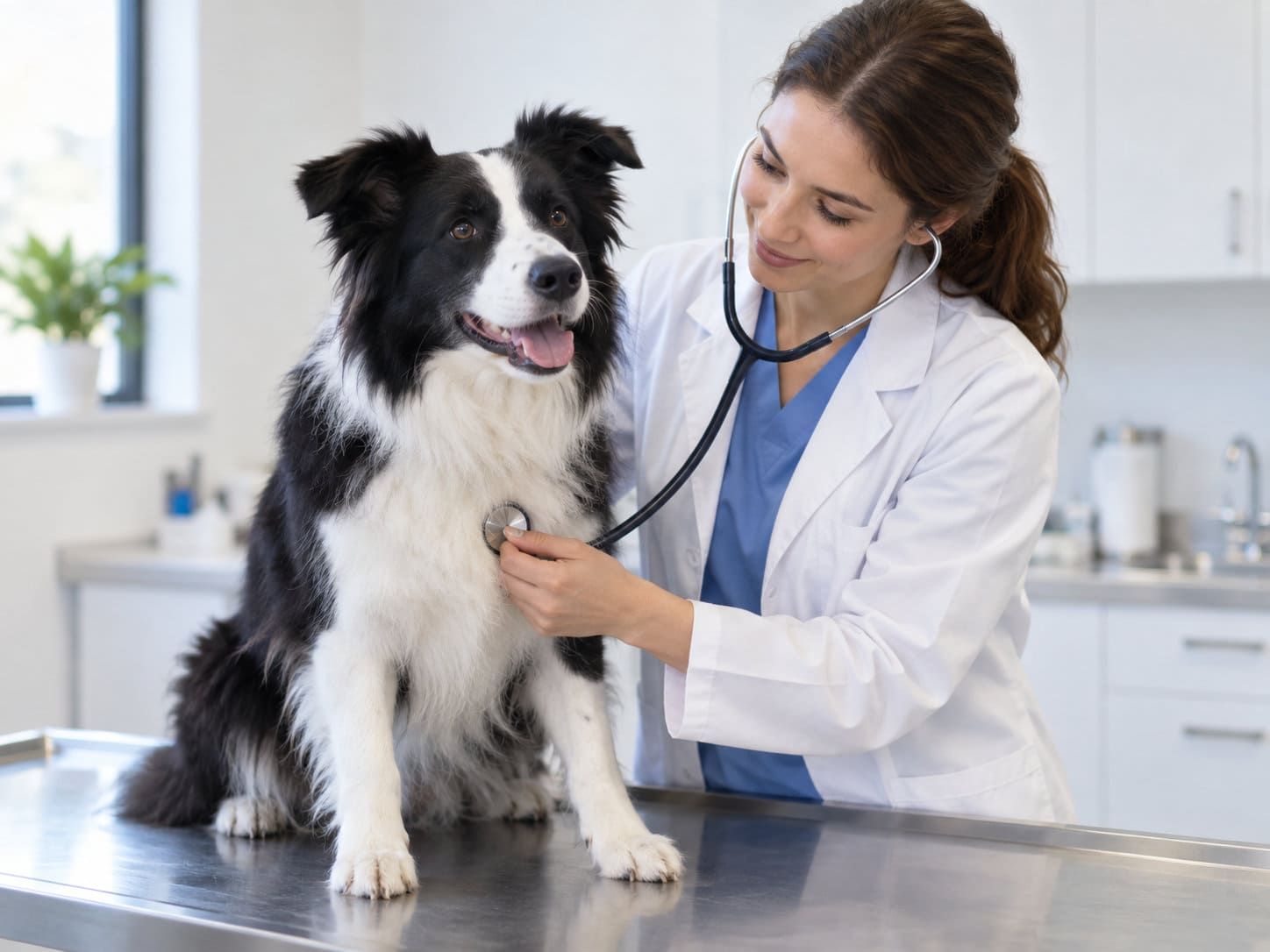
For most healthy adult dogs, a veterinary checkup at least once a year is a good baseline. But that does not mean every dog should follow exactly the same schedule.
Puppies need frequent visits during their first months of life, senior dogs generally benefit from examinations every six months, and dogs with chronic health conditions may need to be seen much more often. Breed, medications, lifestyle, previous health problems, and new symptoms can all affect how frequently veterinary care is needed.
The more useful question is therefore not simply, “How often should a dog go to the vet?” but how often should your particular dog be examined based on age, health, and risk?
How Often Should a Healthy Adult Dog See the Vet?
A healthy adult dog should have a comprehensive veterinary examination at least once a year. For some dogs, appointments every six months may be appropriate, particularly as they move from young adulthood into middle age or have breed-specific health risks.
These appointments are not just for vaccines. A wellness exam gives the veterinarian an opportunity to compare your dog's current condition with previous visits and identify subtle changes that may not yet be obvious at home.
During a routine examination, the veterinarian may assess:
- body weight and body condition;
- muscle condition and mobility;
- heart and lung sounds;
- eyes and ears;
- skin and coat;
- teeth and gums;
- abdomen and lymph nodes;
- joints and gait;
- behavior, appetite, thirst, and activity level;
- vaccination and parasite-prevention needs.
The exact examination will depend on the dog and any concerns identified during the visit.
Why Does a Healthy Dog Need a Vet Visit Every Year?
Dogs can appear completely normal while early disease is already developing. Many conditions do not cause obvious symptoms until they have progressed far enough to affect organ function, mobility, appetite, or behavior.
Routine veterinary visits help establish a baseline for what is normal for your dog. A gradual increase in weight, early dental disease, a new heart murmur, a small skin mass, mild loss of muscle, or early joint discomfort may be easier to identify when examinations are performed regularly.
Annual visits also allow the veterinarian to review preventive care. Vaccination schedules, heartworm prevention, flea and tick control, intestinal parasite testing, dental care, nutrition, and exercise needs can all change as a dog gets older or its lifestyle changes.
In other words, a wellness visit is not simply an appointment to confirm that the dog “looks healthy.” It is an opportunity to detect changes before they become more difficult to manage.
How Often Should Puppies Go to the Vet?
Puppies need considerably more veterinary care than healthy adult dogs.
During the first several months of life, veterinary appointments are commonly scheduled approximately every 3 to 4 weeks. These visits generally continue through the primary vaccination period and may extend to approximately 16–20 weeks of age depending on the vaccination schedule and the puppy's individual needs.
Vaccination is only one reason for these frequent appointments. Puppy visits also allow the veterinarian to monitor growth and development, evaluate congenital abnormalities, assess nutrition, check for parasites, discuss behavior and socialization, and make sure the puppy is developing normally.
A puppy's veterinary schedule may include discussions about:
- core and lifestyle vaccines;
- intestinal parasite testing and deworming;
- heartworm, flea, and tick prevention;
- nutrition and expected growth;
- house training and socialization;
- microchipping;
- spay or neuter timing;
- breed-specific health concerns.
Once the puppy series is completed and growth is progressing normally, the schedule usually becomes less frequent.
How Often Should Senior Dogs See the Vet?
Senior dogs generally benefit from veterinary examinations at least every six months.
This does not mean that every dog becomes senior at exactly seven years old. Aging depends heavily on breed and body size. Large and giant breeds generally enter the senior stage earlier than many small breeds.
AAHA defines the senior stage more broadly as approximately the last 25% of a dog's expected lifespan rather than using one universal age cutoff.
The reason for more frequent visits is straightforward: age-related changes can develop significantly between yearly examinations. Arthritis, kidney disease, endocrine disorders, heart disease, dental disease, cancer, changes in vision or hearing, and cognitive decline all become more common as dogs age.
A senior wellness visit may therefore include not only a physical examination but also screening tests such as blood work and urinalysis. Depending on the dog's history, the veterinarian may recommend these tests every 6 to 12 months.
Does Every Senior Dog Need Blood Tests Twice a Year?
Not necessarily. Diagnostic testing should be based on age, health history, physical examination findings, previous laboratory results, medications, and individual risk.
However, senior dogs often benefit from periodic blood and urine testing even when they appear healthy. Laboratory changes can sometimes be detected before an owner notices obvious symptoms.
For example, routine testing may identify changes involving kidney function, liver enzymes, blood sugar, red or white blood cells, electrolytes, or urine concentration. Detecting a trend early can help the veterinarian decide whether additional testing or monitoring is necessary.
The goal is not to perform every possible test at every appointment. It is to use appropriate screening to identify meaningful changes before they become advanced disease.
How Often Should Dogs With Chronic Conditions See the Vet?
Dogs with ongoing medical conditions often need appointments more frequently than healthy dogs of the same age.
There is no universal interval because monitoring depends on the disease, treatment, and stability of the patient. A dog with well-controlled arthritis may need a very different schedule from a dog with diabetes, heart disease, kidney disease, epilepsy, or a condition requiring frequent medication adjustments.
Follow-up visits may be needed to evaluate symptoms, perform blood or urine tests, measure blood pressure, monitor medication effects, or determine whether treatment is still working as intended.
Some dogs may initially need rechecks every few weeks and later transition to visits every few months once their condition is stable.
If a veterinarian recommends a recheck appointment, it is important not to treat it as optional simply because the dog appears better. Many medications and chronic diseases require objective monitoring that cannot be done reliably from symptoms alone.
Do Dogs Taking Long-Term Medication Need More Frequent Checkups?
Often, yes.
Long-term medications can be highly beneficial, but some require periodic monitoring to confirm that the dose remains appropriate and that the treatment is not causing unwanted effects.
The veterinarian may recommend repeat blood work, urine testing, blood pressure measurement, drug-level testing, or other monitoring depending on the medication.
Do not reduce, increase, or discontinue a prescription medication simply because your dog appears better or because the next veterinary appointment is approaching. Changes should be made with veterinary guidance.
When Should You Take Your Dog to the Vet Between Routine Visits?
A regular wellness schedule does not mean waiting until the next planned appointment when something changes.
Dogs should be evaluated sooner when they develop new or persistent symptoms. Some problems can wait for a regular appointment, while others need same-day or emergency veterinary care.
Contact a veterinarian if you notice persistent changes such as:
- reduced appetite or refusal to eat;
- repeated vomiting or diarrhea;
- unexplained weight loss or weight gain;
- increased thirst or urination;
- persistent coughing;
- limping or difficulty getting up;
- new lumps or rapidly changing masses;
- persistent itching, skin lesions, or hair loss;
- bad breath, difficulty chewing, or oral pain;
- changes in activity, sleep, or behavior.
The significance of these signs depends on severity, duration, age, and the dog's medical history. A mild symptom in an otherwise healthy young dog may be handled differently from the same symptom in an elderly dog with chronic disease.
When Does a Dog Need Emergency Veterinary Care?
Some symptoms should not wait for a routine appointment.
Seek urgent veterinary care for signs such as difficulty breathing, collapse, uncontrolled bleeding, repeated seizures, severe trauma, a distended abdomen with repeated unproductive attempts to vomit, inability to urinate, suspected poisoning, severe weakness, or major changes in consciousness.
Repeated vomiting, bloody diarrhea, severe pain, or sudden loss of mobility can also require urgent assessment depending on the situation.
When you are uncertain whether a problem can wait, calling a veterinary clinic and describing the symptoms is safer than waiting for the next scheduled wellness visit.
Should You Wait for Symptoms Before Taking Your Dog to the Vet?
No. Preventive veterinary care works best before obvious illness develops.
Dogs cannot explain tooth pain, mild nausea, early stiffness, increased thirst, or subtle changes in vision. Owners may also adapt gradually to changes without realizing that they are medically significant.
For example, an owner may assume an older dog is “just slowing down,” when reduced activity actually reflects arthritis or another painful condition. Bad breath may be dismissed as normal for dogs even though it can accompany periodontal disease.
Routine examinations create opportunities to identify these problems earlier.
What Happens During a Dog Wellness Exam?
A wellness examination usually begins with a discussion about what has happened since the dog's previous visit. Changes in appetite, water intake, urination, bowel movements, activity, mobility, sleep, behavior, medications, travel, diet, and exposure to other animals can all provide useful information.
The veterinarian then performs a physical examination. Depending on the dog's age and history, preventive care may also include vaccinations, parasite testing, heartworm testing, laboratory screening, dental assessment, or other diagnostics.
The appointment is also a good time to discuss changes that may seem minor at home. A dog drinking slightly more water, becoming reluctant to climb stairs, sleeping more, or behaving differently may provide an early clue that deserves investigation.
Regular dog wellness exams make these comparisons more useful because the veterinary team has previous examinations and test results to use as a baseline.
Do Vet Visits Need to Match the Vaccination Schedule?
No. Vaccination and veterinary examinations are related, but they are not the same thing.
An adult dog may receive some vaccines every three years, while other vaccines may be given annually depending on the disease and exposure risk. That does not mean the dog should skip veterinary examinations in the years when no three-year vaccine is due.
Likewise, a dog may need an examination or diagnostic testing even when all vaccinations are current.
Preventive medicine includes much more than vaccination. Weight management, dental disease, parasites, nutrition, mobility, behavioral changes, chronic disease screening, and medication monitoring may all need attention independently of vaccine timing.
Does Breed Affect How Often a Dog Should See the Vet?
It can.
Certain breeds have increased risk for specific orthopedic, cardiac, neurologic, eye, skin, endocrine, or respiratory disorders. Breed alone does not mean a dog is sick, but it can influence which changes a veterinarian watches for and whether additional screening is appropriate.
Large and giant breeds also tend to age earlier than small dogs, so a large dog may benefit from more frequent senior-focused care at an earlier chronological age.
Breed should therefore be considered alongside age, family history, previous medical problems, lifestyle, and physical examination findings.
Can Indoor Dogs Skip Annual Vet Visits?
No. Living primarily indoors may reduce exposure to certain injuries or infectious diseases, but it does not eliminate the need for preventive care.
Indoor dogs can still develop dental disease, obesity, arthritis, endocrine disorders, kidney disease, heart disease, cancer, skin problems, and many other conditions unrelated to outdoor exposure.
They can also encounter parasites and infectious agents through mosquitoes, ticks carried indoors, other pets, travel, boarding, or brief outdoor activity.
Preventive care should therefore be based on the dog's overall health and risks rather than whether the dog spends most of its time indoors.
A Practical Vet Visit Schedule by Life Stage
| Dog's Life Stage | Typical Veterinary Visit Frequency |
|---|---|
| Puppy | Approximately every 3–4 weeks during the early vaccination and development period |
| Healthy young adult | At least once a year; some dogs benefit from examinations every 6–12 months |
| Mature adult | Usually every 6–12 months depending on individual health and risk |
| Senior dog | At least every 6 months |
| Dog with a chronic condition | Individualized schedule, often more frequently than routine wellness visits |
These intervals should be treated as general guidance rather than rigid rules. Your veterinarian may recommend a different schedule based on the dog's breed, medical history, medications, diagnostic results, and lifestyle.
How to Decide When Your Dog's Next Vet Visit Should Be
If your dog is a healthy adult and has not had a comprehensive examination within the past year, it is generally time to schedule one. Puppies need more frequent visits during their first months of life, while healthy senior dogs should usually be examined at least every six months.
Dogs with chronic illness, abnormal test results, ongoing medication, or new symptoms may need substantially more frequent care.
The most effective schedule is not simply a date on the calendar. It is a preventive care plan that changes as your dog ages and as new health risks appear.
For dogs in Queens, VetQueens Animal Hospital can assess your dog's age, health history, lifestyle, and current risk factors during a comprehensive dog wellness exam and recommend an appropriate schedule for future veterinary visits.
FAQ
How often should a healthy adult dog go to the vet?
Most healthy adult dogs should have a comprehensive veterinary examination at least once a year. Some dogs may benefit from visits every 6 to 12 months depending on age, breed, medical history, and individual risk factors.
How often should puppies see a veterinarian?
Puppies commonly visit the veterinarian every 3 to 4 weeks during the first several months of life. These appointments usually cover vaccinations, parasite prevention, growth, nutrition, development, and other preventive care needs.
How often should senior dogs go to the vet?
Senior dogs generally benefit from veterinary examinations at least every six months. More frequent visits may be recommended if the dog has chronic disease, takes long-term medication, or develops new symptoms.
Does my dog still need an annual vet visit if vaccines are not due?
Yes. A wellness exam is not only about vaccination. It also allows the veterinarian to assess weight, dental health, mobility, heart and lung sounds, skin, behavior, parasite prevention, and early signs of disease.
How often should a dog with a chronic condition see the vet?
The schedule depends on the condition and how stable the dog is. Some dogs may need rechecks every few weeks during diagnosis or treatment changes, followed by visits every few months once the condition is well controlled.
Do indoor dogs need regular vet visits?
Yes. Indoor dogs can still develop dental disease, obesity, arthritis, kidney disease, heart disease, endocrine disorders, cancer, and other health problems. Indoor living does not replace routine preventive care.
When should I take my dog to the vet before the next routine visit?
Schedule an earlier appointment if your dog develops persistent vomiting or diarrhea, appetite changes, increased thirst or urination, coughing, limping, unexplained weight changes, new lumps, skin problems, or noticeable changes in behavior or activity.
What symptoms mean my dog needs emergency veterinary care?
Difficulty breathing, collapse, uncontrolled bleeding, repeated seizures, severe trauma, inability to urinate, suspected poisoning, severe weakness, or a swollen abdomen with repeated unsuccessful attempts to vomit require urgent veterinary attention.