


Kidney Disease in Cats
- What Kidney Disease in Cats Means for Long-Term Health
- Common Causes of Kidney Disease in Cats
- Early Signs of Kidney Disease in Cats
- Advanced Symptoms of Kidney Failure in Cats
- How Veterinarians Diagnose Kidney Disease in Cats
- Stages of Chronic Kidney Disease in Cats
- Treatment Options for Kidney Disease in Cats
- The Importance of Kidney Diet for Cats
- Can Kidney Disease in Cats Be Prevented
- When to Schedule a Veterinary Appointment
What Kidney Disease in Cats Means for Long-Term Health
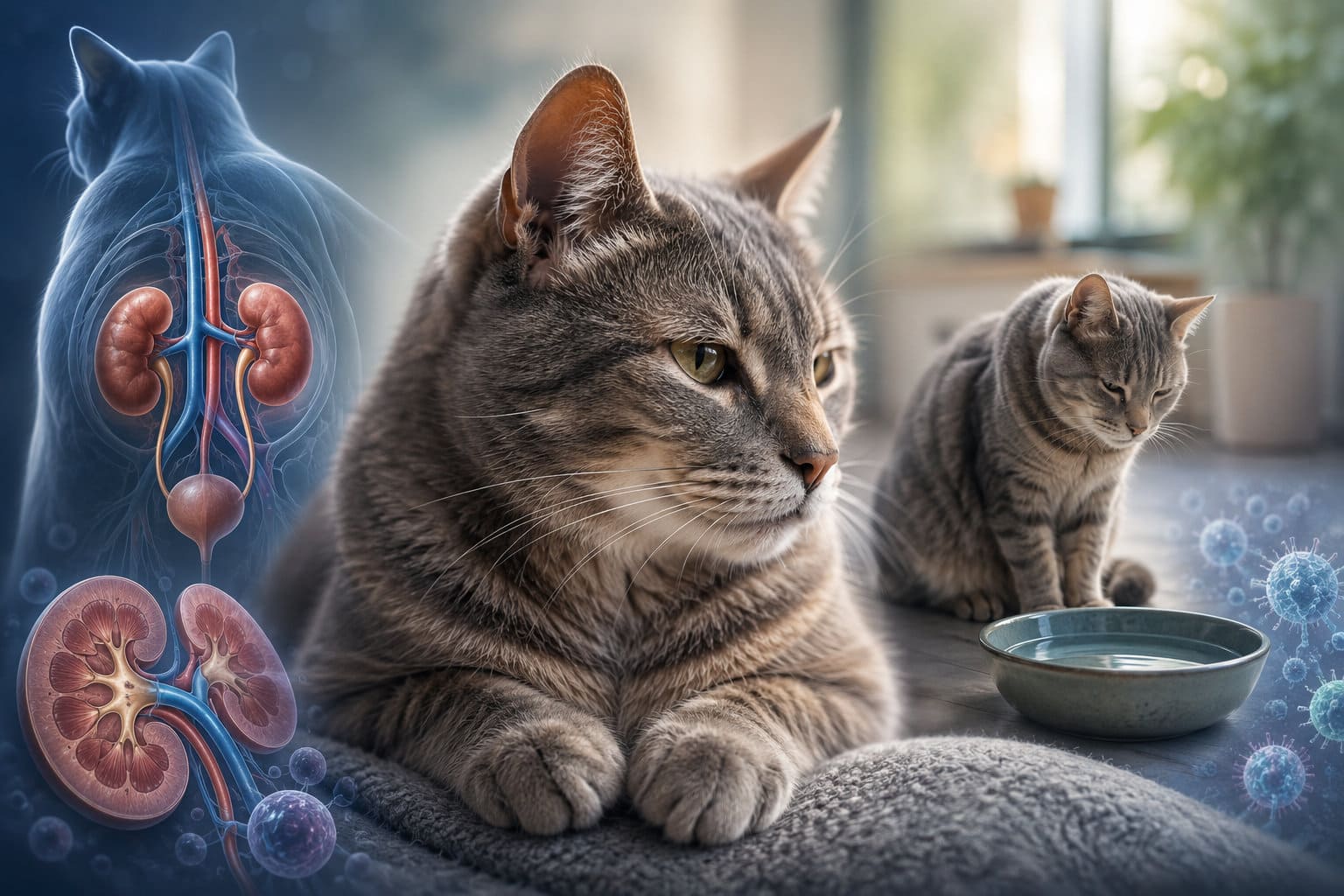
Kidney disease in cats is one of the most common chronic health conditions seen in older felines, especially in large cities like New York where indoor cats often live longer lives. The kidneys are responsible for filtering waste products from the blood, balancing hydration, regulating blood pressure, and helping control important minerals in the body. When the kidneys begin to lose function, toxins can build up and gradually affect nearly every system in the body.
Many pet owners do not realize that kidney disease often develops slowly. Cats are extremely good at hiding pain and discomfort, which means the disease may be present for months or even years before obvious symptoms appear. This is why regular veterinary exams, blood tests, and urine analysis are so important, especially for senior cats.
Chronic kidney disease is more common than acute kidney injury, although both conditions can be serious. Chronic kidney disease progresses gradually over time, while acute kidney failure can happen suddenly due to poisoning, infections, dehydration, urinary blockage, or trauma.
“Cats are masters at masking illness, which is why early detection is often the difference between manageable kidney disease and a life-threatening emergency.”
If your cat is showing changes in drinking habits, weight, appetite, or litter box behavior, it may be time to schedule a veterinary exam. Early diagnosis can help slow progression and improve quality of life.
Common Causes of Kidney Disease in Cats
There are several reasons why cats develop kidney problems. Age is one of the biggest risk factors. Many cats over the age of seven begin to experience a gradual decline in kidney function. However, younger cats can also develop kidney disease due to genetics, infections, toxins, or underlying medical conditions.
Certain breeds may be more prone to kidney problems, including Persians, Maine Coons, Siamese cats, and Abyssinians. Polycystic kidney disease, for example, is an inherited condition commonly seen in Persian cats.
Other causes of kidney disease in cats include high blood pressure, dental disease, chronic urinary tract infections, exposure to toxic plants such as lilies, antifreeze poisoning, and medications that may affect kidney function.
Common causes of feline kidney disease include:
- Aging and natural wear on the kidneys
- Chronic dehydration
- Dental infections and gum disease
- High blood pressure
- Toxins such as antifreeze, lilies, or household chemicals
- Urinary tract infections
- Genetic kidney disorders
- Untreated thyroid disease
Many cat owners in Queens and throughout NYC are surprised to learn that even mild dehydration over time can place stress on the kidneys. Cats naturally have a low thirst drive, which is why wet food diets and fresh water access can play an important role in prevention.
Early Signs of Kidney Disease in Cats
The first symptoms of kidney disease are often subtle. A cat may begin drinking more water than usual or spending more time near the water bowl. Increased urination is also a common early sign because damaged kidneys lose the ability to concentrate urine effectively.
Cats with kidney disease may become less interested in food, lose weight, or appear more tired than usual. Some owners notice bad breath, drooling, vomiting, or a messy coat because the cat stops grooming properly.
Behavioral changes can also happen. A normally social cat may begin hiding, sleeping more often, or avoiding interaction. Since cats cannot tell us when they feel sick, these changes should never be ignored.
The most common early warning signs include:
- Drinking more water than usual
- Frequent urination or larger urine clumps in the litter box
- Weight loss despite normal eating habits
- Decreased appetite
- Vomiting or nausea
- Bad breath with a chemical or ammonia smell
- Weakness and reduced activity
- Poor coat condition
It is important to understand that some of these symptoms can also overlap with diabetes, hyperthyroidism, urinary tract infections, and other feline health conditions. That is why laboratory testing is necessary for an accurate diagnosis.
Advanced Symptoms of Kidney Failure in Cats
As kidney disease progresses, symptoms become more severe and easier to notice. Cats may stop eating almost completely, lose significant body weight, and become dehydrated even if they continue drinking water.
In advanced cases, cats can develop mouth ulcers, pale gums, constipation, severe vomiting, and muscle wasting. Some may experience high blood pressure that affects vision and can even cause sudden blindness.
Cats with end-stage kidney failure often become weak and may struggle to walk, jump, or use the litter box normally. Because toxins are no longer being filtered properly, they can become lethargic and mentally dull.
“Many owners believe their cat is simply getting older, but sudden weight loss, poor appetite, and excessive drinking are never normal signs of aging.”
If your cat is showing advanced symptoms, it is important to book an urgent veterinary appointment as soon as possible. Delaying treatment can make the condition much harder to manage.
How Veterinarians Diagnose Kidney Disease in Cats
A veterinarian will typically begin with a full physical exam and questions about your cat’s symptoms, appetite, water intake, and litter box habits. Bloodwork and urine testing are the most important tools for diagnosing kidney disease.
Blood tests often check for elevated kidney values such as BUN, creatinine, and SDMA. These markers help determine how well the kidneys are functioning. Urine tests are used to measure urine concentration, protein levels, and signs of infection.
In some cases, veterinarians may also recommend blood pressure monitoring, abdominal ultrasound, X-rays, or thyroid testing. These additional tests can help identify underlying causes or complications.
Diagnostic tests commonly used for kidney disease include:
- Complete blood count
- Blood chemistry panel
- SDMA testing
- Urinalysis
- Urine culture
- Blood pressure testing
- Abdominal ultrasound
- X-rays
Early testing is especially important for senior cats. Many veterinary clinics in Queens recommend wellness exams every six months for older cats so changes can be detected before symptoms become severe.
Stages of Chronic Kidney Disease in Cats
Chronic kidney disease is typically divided into stages based on laboratory results. These stages help veterinarians determine how advanced the condition is and what type of treatment plan may be needed.
Stage one kidney disease often has very mild or no obvious symptoms. Cats may still appear healthy, and diagnosis may only happen during routine bloodwork. Stage two usually involves mild increases in thirst and urination.
By stage three, cats often show more noticeable symptoms such as weight loss, poor appetite, vomiting, and dehydration. Stage four is considered severe kidney failure and often requires intensive supportive care.
Understanding the stage of kidney disease is important because treatment recommendations, diet changes, medication, and monitoring frequency may differ.
Typical stages of feline kidney disease include:
- Mild early kidney changes with few symptoms
- Moderate kidney dysfunction with increased thirst and urination
- Significant disease with appetite loss and weight loss
- Severe kidney failure requiring aggressive treatment
The earlier kidney disease is identified, the better the chances of slowing progression and helping your cat live a longer, more comfortable life.
Treatment Options for Kidney Disease in Cats
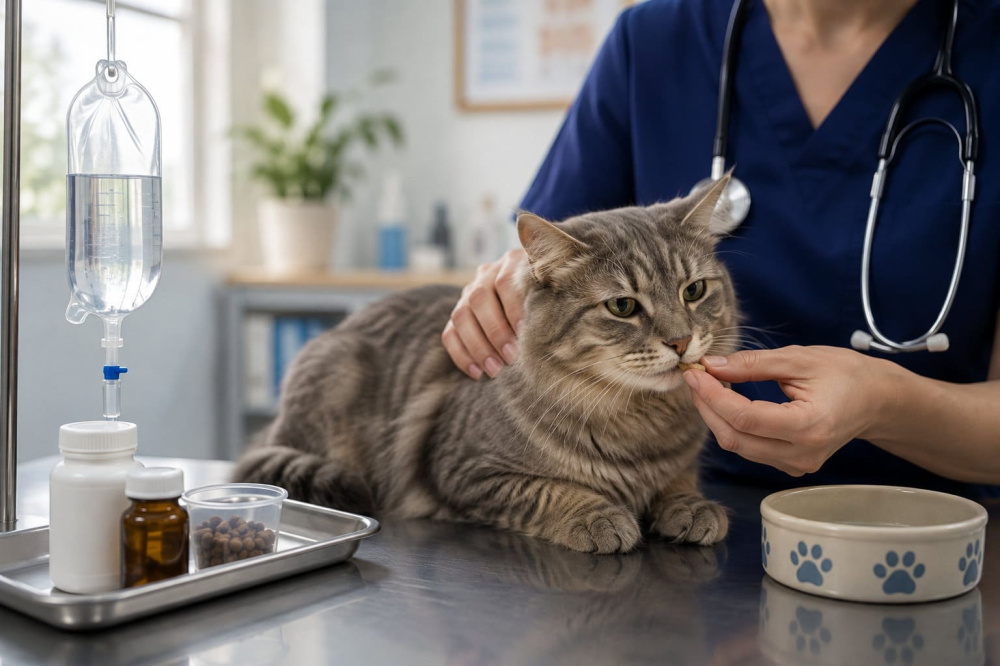
There is no permanent cure for chronic kidney disease, but treatment can help control symptoms, slow progression, and improve quality of life. Treatment plans are usually customized based on the severity of the disease.
One of the most important parts of treatment is hydration. Some cats may require subcutaneous fluids at home to help prevent dehydration. Prescription kidney diets are also commonly recommended because they contain lower phosphorus levels and controlled protein.
Veterinarians may prescribe medications for nausea, appetite stimulation, blood pressure control, or phosphorus reduction. Cats with anemia or urinary infections may need additional medications or supportive care.
Common treatment options include:
- Prescription kidney diet
- Fluid therapy
- Anti-nausea medication
- Appetite stimulants
- Blood pressure medication
- Phosphorus binders
- Antibiotics if infection is present
- Ongoing blood and urine testing
“Kidney disease does not always mean a poor prognosis. Many cats can live comfortably for years with the right combination of diet, medication, and monitoring.”
Pet owners should never change a cat’s diet or medication without veterinary guidance. Sudden changes can sometimes make symptoms worse.
The Importance of Kidney Diet for Cats
Nutrition plays a major role in managing feline kidney disease. Prescription kidney diets are designed to reduce stress on the kidneys while providing essential nutrients.
These diets are usually lower in phosphorus because high phosphorus levels can accelerate kidney damage. They may also include controlled amounts of protein, added omega-3 fatty acids, antioxidants, and vitamins.
Many cats can be picky eaters, especially when they are not feeling well. It may take time to transition a cat onto a kidney diet. Mixing new food gradually with the old food is often recommended.
Foods and dietary habits that may support cats with kidney disease include:
- Prescription wet food for kidney support
- Increased moisture intake
- Multiple fresh water bowls around the house
- Water fountains to encourage drinking
- Small frequent meals
- Low-phosphorus nutrition
Because appetite loss is common in cats with kidney disease, owners should contact a veterinarian if their cat refuses food for more than 24 hours.
Can Kidney Disease in Cats Be Prevented
Not every case of kidney disease can be prevented, but there are ways to reduce the risk. Regular veterinary visits are one of the most important steps, especially for senior cats.
Routine blood tests can often detect early kidney changes before a cat becomes visibly sick. Dental care is also important because oral infections can spread bacteria through the bloodstream and affect the kidneys.
Hydration is another major factor. Feeding wet food, encouraging water intake, and avoiding chronic dehydration can help protect kidney health over time.
Important prevention tips include:
- Schedule regular veterinary wellness exams
- Keep toxic plants and chemicals away from cats
- Feed high-quality food
- Encourage hydration with wet food and water fountains
- Maintain dental care
- Monitor changes in drinking and urination
- Seek veterinary care quickly if symptoms appear
Cats living in apartments across New York City may have limited activity and environmental stimulation, which can sometimes make changes in appetite or litter box habits harder to notice. Paying close attention to daily routines can help owners identify problems earlier.
When to Schedule a Veterinary Appointment
Any cat showing increased thirst, weight loss, vomiting, appetite changes, or frequent urination should be evaluated by a veterinarian. These symptoms may not always mean kidney disease, but they should never be ignored.
Older cats should ideally have wellness exams at least once or twice per year. Routine bloodwork is especially important after age seven because many health conditions become more common during the senior years.
If your cat suddenly stops eating, seems weak, cannot urinate, or is vomiting repeatedly, emergency veterinary care may be needed. Acute kidney failure can progress rapidly and may become life-threatening in a short period of time.
Veterinary clinics in Queens often recommend booking an appointment as soon as symptoms begin rather than waiting for them to worsen. Early diagnosis usually means more treatment options and better long-term results.
Whether your cat needs diagnostic testing, kidney disease treatment, bloodwork, fluid therapy, or ongoing senior pet care, it is always better to seek professional guidance early. If you notice possible signs of kidney disease in your cat, it may be time to schedule an exam and discuss the next steps with your veterinarian.