


Mucus in Dog Stool
- Mucus in Dog Stool What It Means and When to Worry
- What Mucus in Dog Stool Looks Like
- Mild Causes of Mucus in Dog Stool
- Diarrhea and Mucus in Dog Stool
- Blood and Mucus in Dog Stool
- Parasites That Cause Mucus in Stool
- Food Intolerance and Food Allergies
- Stress Colitis in Dogs
- Inflammatory Bowel Disease and Chronic Digestive Problems
- Other Serious Causes of Mucus in Stool
- How Veterinarians Diagnose Mucus in Dog Stool
- Treatment Options for Dogs With Mucus in Stool
- When to Take Your Dog to the Vet
- Final Thoughts on Mucus in Dog Stool
Mucus in Dog Stool What It Means and When to Worry
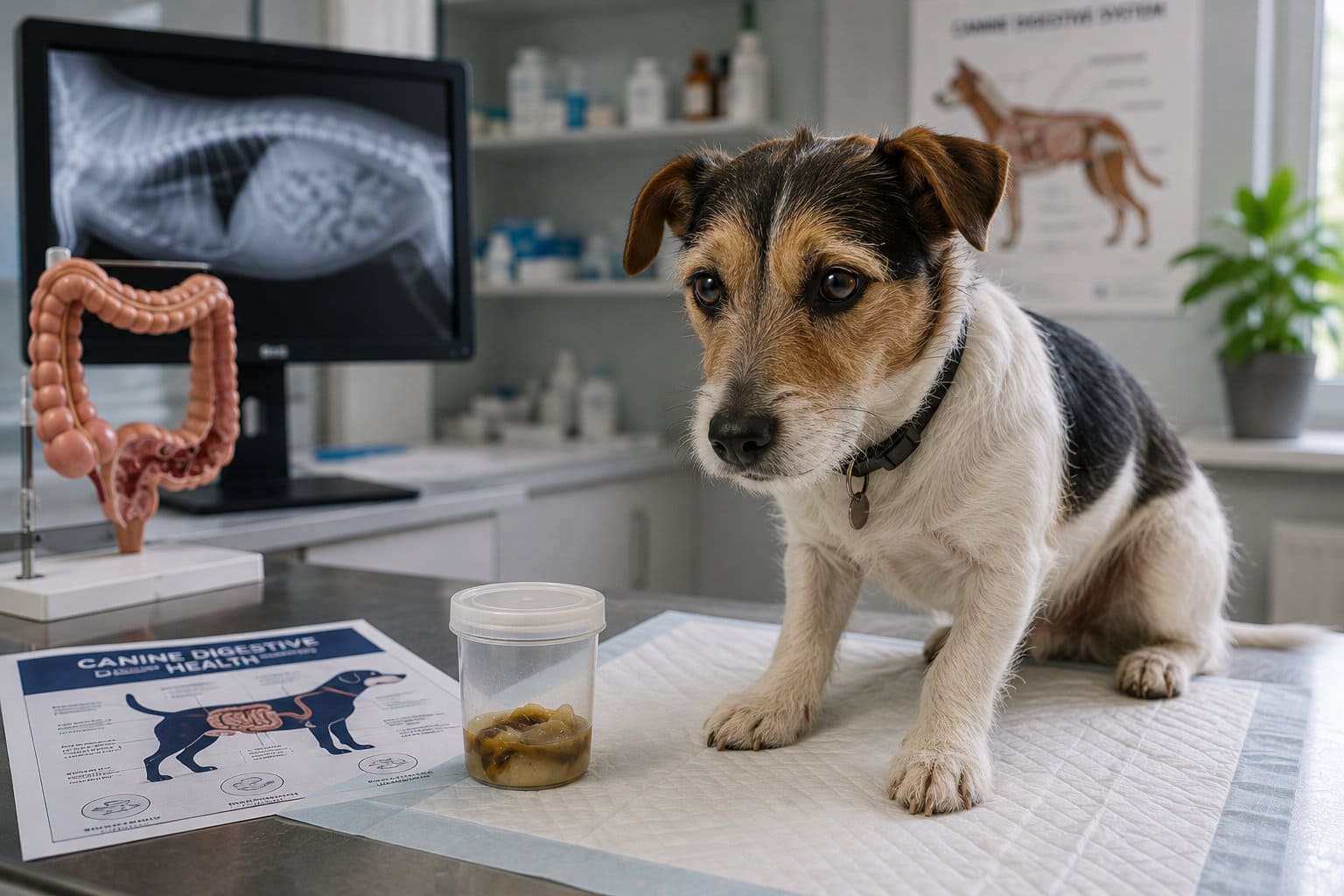
Seeing mucus in a dog’s stool can be alarming for pet owners, especially when it appears suddenly or happens repeatedly. Many people search for terms like “mucus in dog stool,” “dog poop with slime,” “why does my dog have mucus in poop,” and “dog diarrhea with mucus” because they are worried that something may be wrong with their pet’s digestive system.
A small amount of mucus in stool is not always serious. The intestines naturally produce mucus to help stool move through the digestive tract. However, large amounts of mucus, repeated episodes, diarrhea, blood, vomiting, or changes in appetite can be signs of illness.
Mucus in dog stool may be caused by stress, diet changes, parasites, infections, food intolerance, inflammatory bowel disease, or more serious digestive problems. Some dogs only have one episode, while others develop chronic digestive symptoms that require veterinary care.
Understanding what mucus in stool looks like, the most common causes, and when to see a veterinarian can help dog owners respond quickly and protect their dog’s health.
What Mucus in Dog Stool Looks Like
Mucus in stool usually appears as a shiny, slippery, jelly-like coating on the outside of the poop. It may look clear, white, yellow, or slightly green.
In some cases, pet owners notice:
- Slimy stool
- Clear jelly-like material
- Stringy mucus
- White coating on poop
- Stool with blood and mucus
- Soft stool with mucus
- Diarrhea with mucus
- Small amounts of mucus around the stool
Some dogs have only a small amount of mucus once, while others repeatedly pass stool that looks wet, slippery, or coated.
Dogs with irritation in the colon often have mucus because the intestines produce extra mucus in response to inflammation.
“A small amount of mucus once in a while may not be serious, but frequent mucus in stool often points to digestive irritation.”
If the mucus is accompanied by blood, vomiting, loss of appetite, or severe diarrhea, veterinary attention may be necessary.
Mild Causes of Mucus in Dog Stool
There are several mild reasons why dogs may have mucus in their stool.
Common mild causes include:
- Eating table scraps
- Sudden diet changes
- Mild stress
- Eating grass
- Garbage scavenging
- Minor stomach upset
- New treats
- Rich foods
Dogs sometimes develop mucus in the stool after eating something unusual or switching to a new food too quickly.
Stress can also affect the digestive system. Travel, boarding, moving, fireworks, or changes in routine may cause temporary mucus in stool.
Many mild digestive problems improve within a day or two, especially if the dog is otherwise acting normal.
Diarrhea and Mucus in Dog Stool
Mucus often appears with diarrhea because the intestines become irritated and inflamed.
Dogs with diarrhea and mucus may have:
- Frequent bowel movements
- Soft stool
- Urgency to go outside
- Straining
- Blood in the stool
- Gas
- Stomach noises
- Reduced appetite
Diarrhea with mucus can happen because of infections, food intolerance, parasites, stress colitis, or inflammatory bowel disease.
Some dogs develop large bowel diarrhea, which is more likely to produce mucus because the colon becomes inflamed.
Pet owners often search for “dog diarrhea with mucus,” “dog pooping mucus and blood,” and “dog has slimy diarrhea” because these symptoms can look severe.
“When mucus appears together with diarrhea, it often means the colon is irritated.”
Dogs that have diarrhea for more than a day or two may need veterinary evaluation.
Blood and Mucus in Dog Stool
Blood and mucus together can be especially concerning for pet owners.
Bright red blood in the stool may be caused by:
- Colitis
- Parasites
- Stress
- Food intolerance
- Infections
- Anal gland problems
- Intestinal inflammation
- Rectal irritation
Small streaks of blood may happen because of straining or irritation. However, large amounts of blood, black stool, or repeated bleeding should be taken seriously.
Dogs with blood and mucus in stool may also show signs of abdominal pain, weakness, vomiting, or dehydration.
Black, tarry stool can indicate bleeding higher in the digestive tract and should be treated as an emergency.
Parasites That Cause Mucus in Stool
Parasites are a common reason dogs develop mucus in their stool.
The most common parasites linked to mucus include:
- Giardia
- Roundworms
- Hookworms
- Whipworms
- Coccidia
- Tapeworms
Parasites can irritate the intestines and lead to diarrhea, mucus, blood, gas, bloating, and weight loss.
Young puppies are especially vulnerable because their immune systems are still developing.
Dogs that go to dog parks, kennels, boarding facilities, or daycare are more likely to pick up parasites from contaminated environments.
“Parasites are one of the most common causes of mucus and diarrhea in dogs, especially puppies.”
A fecal test is often necessary to diagnose parasites because they may not always be visible in the stool.
Food Intolerance and Food Allergies
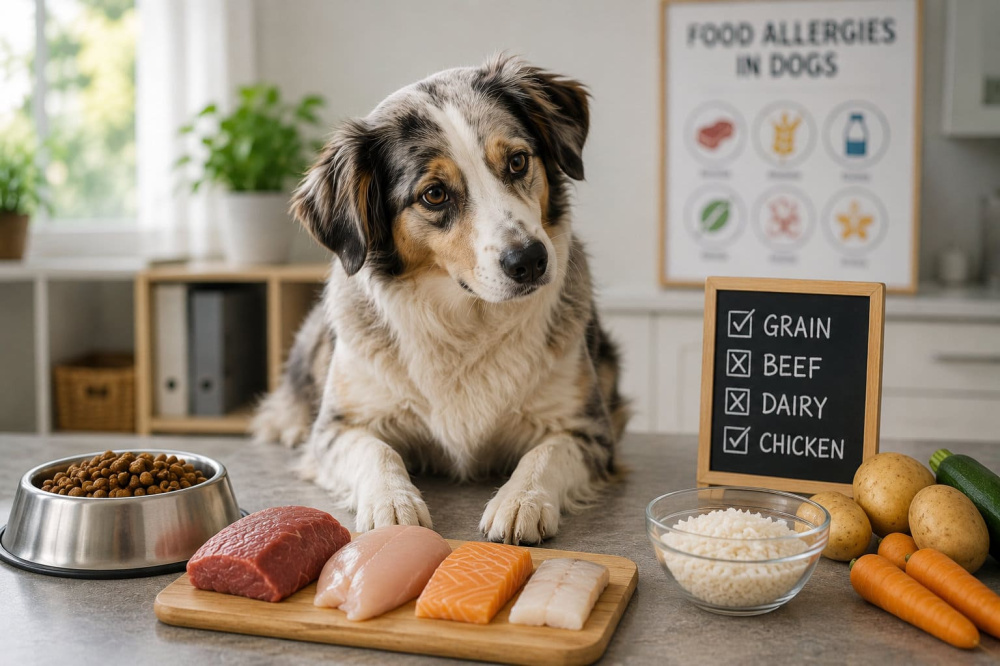
Food intolerance can also lead to mucus in stool. Some dogs react poorly to certain proteins, treats, or ingredients in their diet.
Common food triggers include:
- Chicken
- Beef
- Dairy
- Wheat
- Soy
- Rich treats
- Fatty foods
- Sudden diet changes
Dogs with food intolerance may have chronic soft stool, diarrhea, mucus, vomiting, itching, ear infections, or gas.
Some dogs improve when switched to a prescription diet or limited ingredient food.
Pet owners often search for “food allergy dog stool mucus,” “dog upset stomach after new food,” and “sensitive stomach dog” because digestive symptoms are common with food reactions.
Stress Colitis in Dogs
Stress colitis is another common cause of mucus in stool. Colitis means inflammation of the colon.
Dogs may develop stress colitis after:
- Boarding
- Traveling
- Fireworks
- Moving
- Guests visiting the house
- Changes in routine
- Loud noises
- Vet visits
Stress colitis often causes sudden diarrhea, mucus, blood, straining, and frequent bowel movements.
Many dogs with stress colitis otherwise seem normal and still have good energy levels.
“Stress can affect the digestive system just as much as it affects behavior.”
Although stress colitis may improve quickly, dogs with ongoing symptoms may need medication or testing.
Inflammatory Bowel Disease and Chronic Digestive Problems
Some dogs have chronic mucus in stool because of inflammatory bowel disease, also known as IBD.
Inflammatory bowel disease causes ongoing inflammation in the digestive tract and may lead to:
- Chronic diarrhea
- Weight loss
- Mucus in stool
- Vomiting
- Poor appetite
- Gas
- Soft stool
- Abdominal pain
Dogs with IBD often have symptoms for weeks or months rather than only one or two days.
Veterinarians may recommend blood work, stool testing, ultrasound, prescription diets, or even biopsies in severe cases.
Dogs with chronic digestive problems usually need long-term treatment to control inflammation and improve stool quality.
Other Serious Causes of Mucus in Stool
Although many causes of mucus are mild, some can be more serious.
More severe conditions include:
- Pancreatitis
- Intestinal blockage
- Foreign body ingestion
- Tumors
- Severe infection
- Hemorrhagic gastroenteritis
- Liver disease
- Severe colitis
Dogs with serious illness may have severe diarrhea, repeated vomiting, lethargy, fever, dehydration, or abdominal pain.
A dog that stops eating, becomes weak, or has persistent blood in the stool should be examined right away.
Pet owners often search for “dog mucus in stool emergency,” “dog not eating and diarrhea,” and “when to worry about mucus in dog poop” because they are unsure how serious the symptoms may be.
How Veterinarians Diagnose Mucus in Dog Stool
Veterinarians may use several tests to find out why a dog has mucus in the stool.
Diagnostic testing may include:
- Fecal testing
- Blood work
- X-rays
- Ultrasound
- Parasite testing
- Food trial
- Rectal exam
- Colon evaluation
A stool sample is often one of the first tests because it can identify parasites, bacteria, or other infections.
Blood work may be recommended if the dog has vomiting, weight loss, or other symptoms that suggest a more serious illness.
“The best treatment depends on identifying the exact reason for the mucus in the stool.”
Dogs with chronic symptoms may need more extensive testing to rule out digestive disease.
Treatment Options for Dogs With Mucus in Stool
Treatment depends on the underlying cause of the problem.
Common treatments may include:
- Deworming medication
- Antibiotics
- Probiotics
- Prescription diet
- Anti-inflammatory medication
- Fluids
- Bland diet
- Parasite treatment
Some dogs improve with a bland diet of boiled chicken and rice for a short period. Others need prescription food to support digestive health.
Dogs with parasites usually need deworming medication. Dogs with infections or inflammatory bowel disease may need additional treatment.
Owners should avoid giving human medication unless instructed by a veterinarian because some products can be dangerous for dogs.
When to Take Your Dog to the Vet
Mucus in stool is not always an emergency, but some signs mean a dog should be examined by a veterinarian as soon as possible.
You should contact a veterinarian if your dog has:
- Repeated mucus in stool
- Blood in stool
- Vomiting
- Severe diarrhea
- Loss of appetite
- Lethargy
- Weight loss
- Dehydration
Puppies, senior dogs, and dogs with chronic illness are more likely to become dehydrated quickly.
Dogs with repeated digestive problems may need ongoing treatment, especially if they have allergies, food sensitivities, parasites, or chronic bowel disease.
“Persistent mucus in stool should never be ignored because it may be the first sign of a more serious digestive issue.”
If your dog has frequent mucus in stool, diarrhea, or blood in the stool, it may be time to schedule a veterinary exam. Early diagnosis can help prevent complications and improve your dog’s digestive health.
Final Thoughts on Mucus in Dog Stool
Mucus in dog stool can range from a mild temporary issue to a sign of a more serious digestive problem. Minor diet changes, stress, and mild stomach upset are common causes, but parasites, infections, food intolerance, and inflammatory bowel disease are also possible.
Occasional mucus may not always be a reason to panic, especially if the dog is acting normal. However, repeated mucus, diarrhea, blood, vomiting, or loss of appetite should be evaluated by a veterinarian.
Working with a trusted veterinary clinic in Queens or NYC can help identify the cause of digestive problems and provide the right treatment to keep your dog healthy and comfortable.