


Reverse Sneezing in Dogs
- What Reverse Sneezing Looks and Sounds Like
- Why Reverse Sneezing Happens
- Small Dog Breeds More Likely to Reverse Sneeze
- Allergies and Environmental Triggers
- Reverse Sneezing After Eating or Drinking
- Pulling on the Leash and Collar Pressure
- Reverse Sneezing Compared to Coughing or Choking
- When Reverse Sneezing May Be a Sign of Something More Serious
- How Veterinarians Diagnose Reverse Sneezing
- Treatment Options for Reverse Sneezing in Dogs
- What Owners Can Do During an Episode
- When to Take Your Dog to the Vet
- Final Thoughts on Reverse Sneezing in Dogs
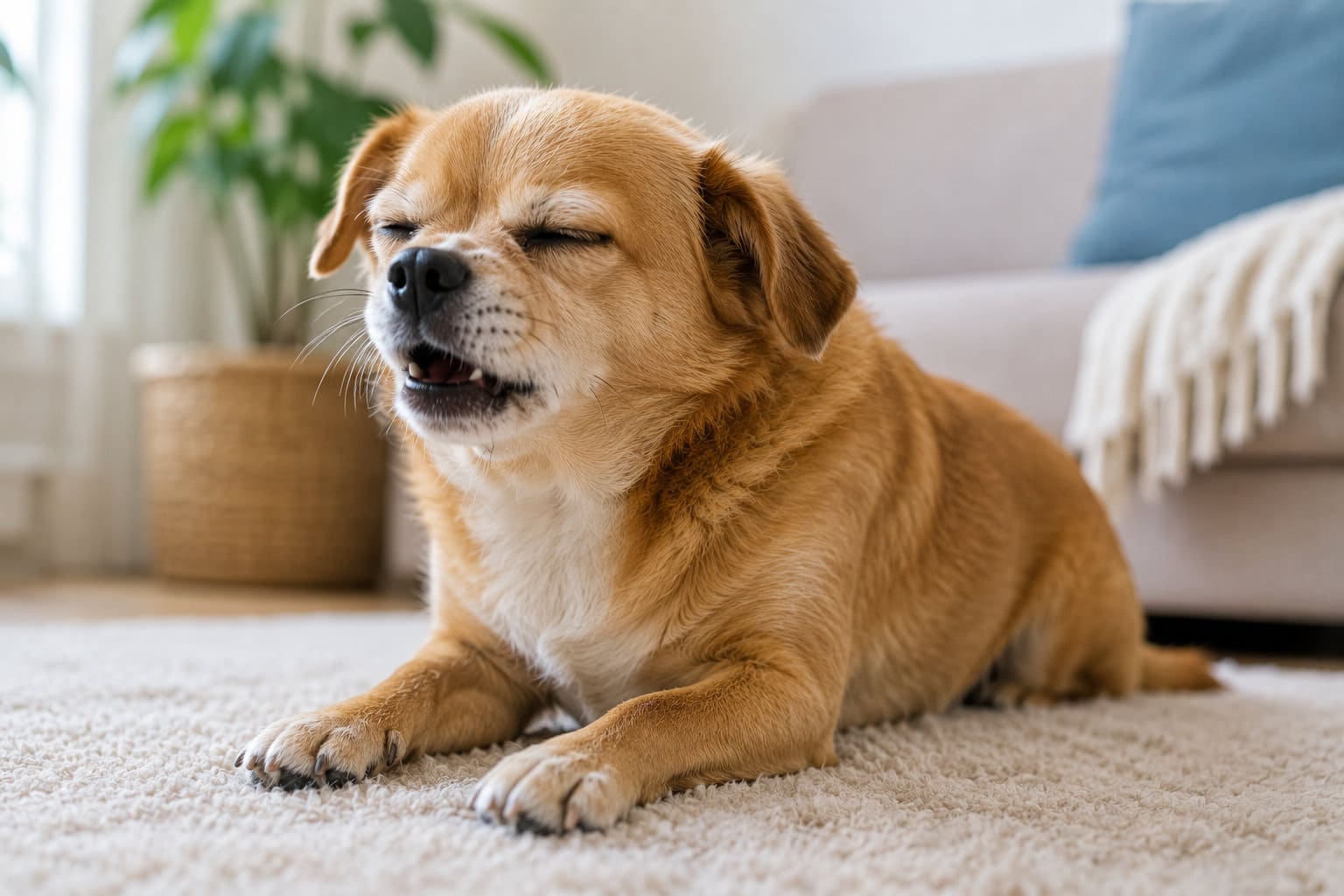
Reverse sneezing in dogs can be frightening for pet owners because it often looks and sounds like the dog is choking, struggling to breathe, or having a serious respiratory problem. Many people search for terms like “reverse sneezing in dogs,” “dog snorting episode,” “dog sounds like choking,” and “why is my dog gasping through nose” because they are alarmed when they first witness an episode.
Although reverse sneezing often appears dramatic, it is usually harmless in most dogs. During an episode, the dog suddenly pulls air in rapidly through the nose instead of pushing it out like a normal sneeze. This creates loud snorting, honking, or gagging sounds that may last for a few seconds to a minute.
Reverse sneezing is common in many dogs, especially small breeds, and often happens only occasionally. However, frequent episodes, breathing difficulty, or signs of illness should still be evaluated by a veterinarian.
Understanding what reverse sneezing is, what triggers it, and when it may be a sign of something more serious can help dog owners feel more confident when it happens.
What Reverse Sneezing Looks and Sounds Like
Reverse sneezing episodes can seem very intense, especially if a pet owner has never seen one before.
Dogs having a reverse sneezing episode may:
- Stand still suddenly
- Stretch the neck forward
- Pull air in rapidly through the nose
- Make snorting sounds
- Honk loudly
- Gag
- Wheeze
- Appear startled
Many dogs stand with their elbows out and neck extended while trying to breathe through the nose.
Episodes often last between a few seconds and one minute. Afterward, the dog usually acts completely normal.
“Reverse sneezing often sounds scary, but most episodes are harmless and end quickly.”
Because the sound is unusual, many owners think their dog has something stuck in the throat or nose.
Why Reverse Sneezing Happens
Reverse sneezing happens when the back of the throat and soft palate become irritated. This irritation causes a spasm that makes the dog rapidly inhale through the nose.
The most common triggers include:
- Allergies
- Excitement
- Dust
- Strong smells
- Pulling on the leash
- Eating too quickly
- Drinking too fast
- Sudden temperature changes
Dogs may have an episode after running, playing, or getting excited. Others may react to perfume, smoke, pollen, or cleaning products.
Some dogs reverse sneeze more during allergy season because pollen and dust irritate the nasal passages.
Pet owners often search for “dog reverse sneezing after drinking water,” “dog snorting after excitement,” and “dog sneezing attack” because episodes often seem to happen suddenly.
Small Dog Breeds More Likely to Reverse Sneeze
Although any dog can reverse sneeze, small breeds are much more likely to experience it.
Breeds commonly affected include:
- Yorkshire Terriers
- Chihuahuas
- Pugs
- Shih Tzus
- Pomeranians
- Toy Poodles
- Maltese
- French Bulldogs
Flat-faced breeds may also be more prone because of the shape of their nose and airway.
Dogs with narrow nasal passages or elongated soft palates may reverse sneeze more often than other dogs.
Some dogs only have a few episodes each year, while others may reverse sneeze regularly throughout their lives.
Allergies and Environmental Triggers
Allergies are one of the most common reasons dogs reverse sneeze.
Environmental triggers may include:
- Pollen
- Grass
- Dust
- Mold
- Smoke
- Perfume
- Air fresheners
- Cleaning sprays
Dogs with allergies may also have other symptoms such as itching, ear infections, watery eyes, paw licking, or skin irritation.
Reverse sneezing may become more common during spring and fall when pollen levels are high.
“Many dogs that reverse sneeze frequently also have allergies or environmental sensitivities.”
Reducing exposure to irritants inside the home may help lower the number of episodes.
Reverse Sneezing After Eating or Drinking
Some dogs reverse sneeze after eating food too quickly or drinking water too fast.
This may happen because food or water irritates the throat or soft palate.
Dogs that eat very quickly may also swallow extra air, which can trigger an episode.
Common signs include:
- Reverse sneezing after meals
- Gagging after drinking
- Snorting after eating
- Fast swallowing
- Burping
- Hiccups
- Throat clearing
- Nose licking
Using slow feeder bowls or offering smaller meals may help dogs that reverse sneeze after eating.
Dogs that cough, vomit, or choke frequently during meals may need a veterinary exam to rule out swallowing problems.
Pulling on the Leash and Collar Pressure
Pressure on the neck is another common trigger for reverse sneezing.
Dogs that pull on the leash may irritate the throat, trachea, or soft palate.
This is especially common in small dogs wearing collars.
Many dogs reverse sneeze more often when:
- Pulling on walks
- Wearing tight collars
- Playing with other dogs
- Jumping on the leash
- Barking heavily
- Becoming excited outdoors
Using a harness instead of a neck collar may reduce irritation and make episodes less frequent.
Pet owners often search for “dog reverse sneezing on walks” and “dog choking on leash” because episodes are common during exercise.
Reverse Sneezing Compared to Coughing or Choking
Reverse sneezing is often confused with coughing, choking, asthma, or respiratory distress.
Unlike choking, dogs that are reverse sneezing can still move air in and out.
Signs that suggest reverse sneezing instead of choking include:
- The dog remains alert
- The episode stops on its own
- There is no blue color on the gums
- The dog acts normal afterward
- Breathing returns to normal quickly
- The sound comes more from the nose than the chest
- Episodes are short
- There is no vomiting or collapse
A choking dog may paw at the mouth, panic, drool heavily, or struggle to breathe.
“Reverse sneezing can look dramatic, but most dogs recover completely within seconds.”
If a dog cannot breathe, has blue gums, or collapses, emergency care is needed immediately.
When Reverse Sneezing May Be a Sign of Something More Serious
Although reverse sneezing is usually harmless, frequent or severe episodes can sometimes be linked to another medical problem.
Possible underlying causes include:
- Nasal mites
- Foreign objects in the nose
- Dental disease
- Nasal tumors
- Respiratory infections
- Collapsed trachea
- Elongated soft palate
- Chronic allergies
Dogs that reverse sneeze constantly or have discharge from the nose may need further testing.
Senior dogs that suddenly begin reverse sneezing may need to be evaluated for more serious conditions.
Pet owners often search for “dog reverse sneezing all the time,” “dog nasal blockage,” and “why is my dog snorting constantly” because repeated episodes can be concerning.
How Veterinarians Diagnose Reverse Sneezing
Veterinarians can often diagnose reverse sneezing based on the history and description of the episodes.
Diagnostic testing may include:
- Physical exam
- Nose and throat exam
- X-rays
- Allergy evaluation
- Nasal exam
- Blood work
- Dental exam
- Sedated airway exam
In some cases, pet owners may be asked to record a video of the episode to help confirm the diagnosis.
X-rays may be recommended if there is concern about collapsed trachea, foreign objects, or lung disease.
Dogs with nasal discharge, chronic coughing, or frequent episodes may need more detailed testing.
Treatment Options for Reverse Sneezing in Dogs
Many dogs with occasional reverse sneezing do not need treatment.
If episodes are linked to allergies or irritation, treatment may include:
- Allergy medication
- Antihistamines
- Harness instead of collar
- Air purifier
- Humidifier
- Weight loss
- Reducing smoke exposure
- Avoiding strong scents
Dogs with severe or frequent episodes may benefit from treatment for the underlying cause.
For example, dogs with allergies may need medication, while dogs with nasal mites may need parasite treatment.
“The best way to reduce reverse sneezing is to identify and control the trigger.”
Dogs with chronic airway problems may need ongoing management to reduce symptoms.
What Owners Can Do During an Episode
Most reverse sneezing episodes end on their own, but there are a few things owners can do to help calm the dog.
Helpful steps include:
- Staying calm
- Gently massaging the throat
- Covering one nostril briefly
- Speaking softly
- Moving the dog away from irritants
- Offering water afterward
Staying calm is important because dogs may become more anxious if their owners panic.
Some dogs stop reverse sneezing if they swallow, so gently rubbing the throat may help.
Owners should never put fingers deep into the dog’s mouth because this may cause accidental injury.
When to Take Your Dog to the Vet
Reverse sneezing is often harmless, but there are situations where veterinary care is recommended.
You should schedule an appointment if your dog has:
- Frequent episodes
- Trouble breathing
- Nasal discharge
- Bleeding from the nose
- Coughing
- Weight loss
- Reduced appetite
- Lethargy
Dogs that suddenly begin reverse sneezing often or seem uncomfortable between episodes should be examined.
Pet owners often search for “vet for reverse sneezing dog Queens,” “dog breathing issues,” and “when reverse sneezing is serious” because they are unsure when to worry.
“If reverse sneezing becomes frequent or is associated with other symptoms, it is important to rule out more serious causes.”
Early evaluation can help identify allergies, airway problems, or nasal disease before symptoms become worse.
Final Thoughts on Reverse Sneezing in Dogs
Reverse sneezing is a common condition that often sounds much worse than it really is. Dogs may snort, honk, gag, or pull air in rapidly through the nose for a few seconds before returning to normal.
Although occasional reverse sneezing is usually harmless, frequent episodes can sometimes be linked to allergies, irritation, airway disease, or other medical conditions.
If your dog reverse sneezes often, struggles to breathe, or has other symptoms such as coughing or nasal discharge, it may be time to schedule a veterinary appointment. Working with a trusted veterinary clinic in Queens or NYC can help determine the cause and make sure your dog stays healthy and comfortable.