


Seasonal Allergies in Dogs
- Seasonal Allergies in Dogs Signs Causes and Treatment
- What Causes Seasonal Allergies in Dogs
- Common Signs of Seasonal Allergies in Dogs
- Paw Licking and Red Feet From Allergies
- Ear Infections Linked to Seasonal Allergies
- Hot Spots and Skin Infections Caused by Allergies
- Dog Breeds That Are More Prone to Seasonal Allergies
- Spring Summer and Fall Allergy Seasons
- How Veterinarians Diagnose Seasonal Allergies
- Treatment Options for Seasonal Allergies in Dogs
- Ways to Reduce Seasonal Allergy Symptoms at Home
- When to Take Your Dog to the Vet for Allergies
- Final Thoughts on Seasonal Allergies in Dogs
Seasonal Allergies in Dogs Signs Causes and Treatment
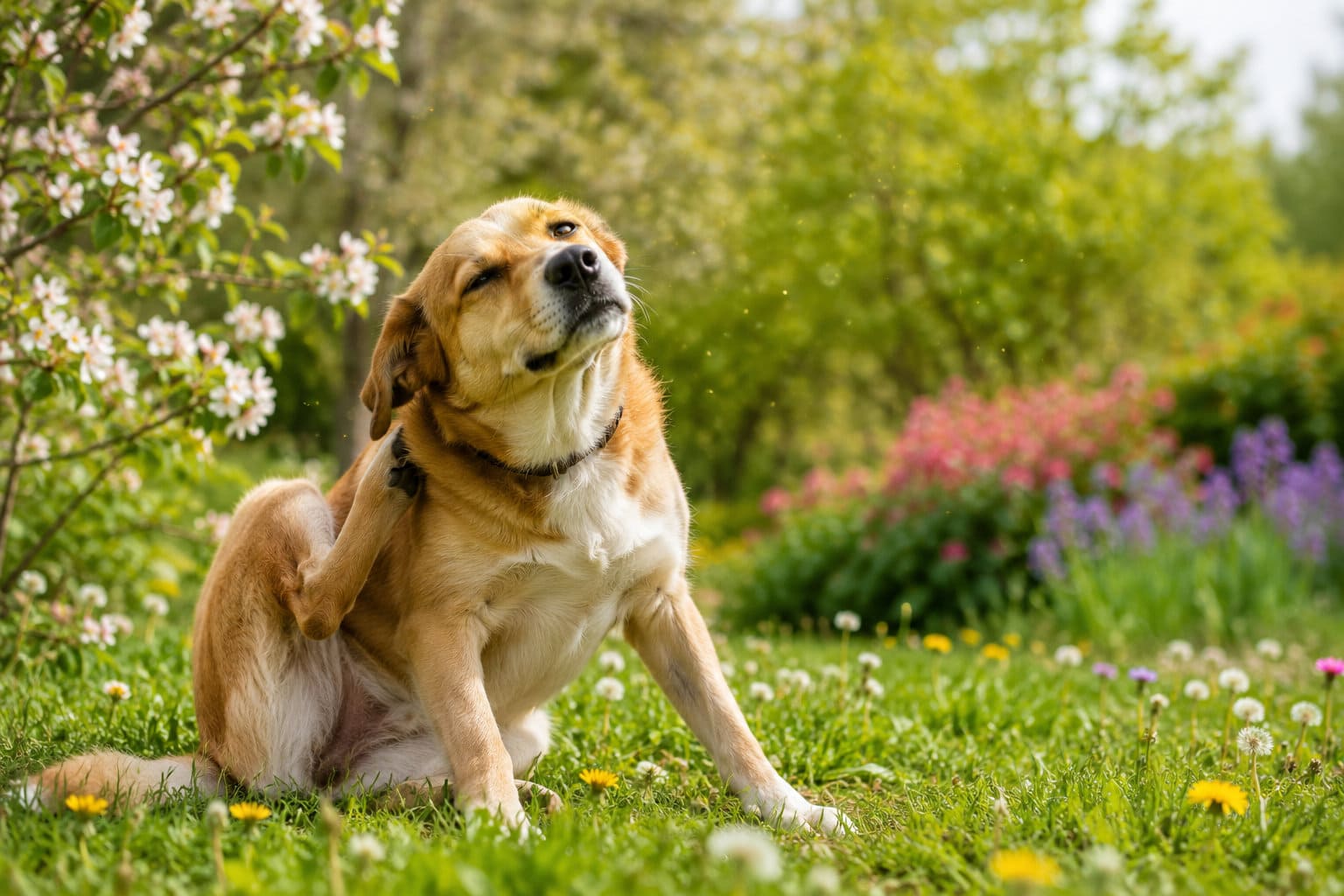
Seasonal allergies are one of the most common reasons dogs become itchy, uncomfortable, and restless during certain times of the year. Many pet owners search for terms like “seasonal allergies in dogs,” “dog allergies in spring,” “dog itching in summer,” and “dog allergy treatment” because they notice their dog scratching more when the weather changes.
Dogs can develop allergies to pollen, grass, mold, weeds, dust, and other environmental triggers. While some dogs only have mild itching during spring or fall, others experience severe skin irritation, ear infections, paw licking, hair loss, and repeated hot spots.
Seasonal allergies can affect dogs of all ages and breeds, although some breeds are naturally more prone to allergy problems than others. Allergies often become worse over time, especially if they are not treated early.
Understanding the signs of seasonal allergies, the most common triggers, and the available treatment options can help dog owners know when it is time to schedule a veterinary appointment.
What Causes Seasonal Allergies in Dogs
Seasonal allergies happen when a dog’s immune system overreacts to substances in the environment. These allergens may not bother other dogs, but sensitive dogs can develop itching, inflammation, and skin irritation after exposure.
The most common seasonal allergy triggers include:
- Grass pollen
- Tree pollen
- Weed pollen
- Mold spores
- Dust mites
- Flowers
- Outdoor plants
- Ragweed
Many dogs experience symptoms in spring and summer when pollen levels are high. Others become worse during fall because of weeds, ragweed, and mold.
Some dogs may only itch for a few weeks each year, while others have symptoms for several months. Dogs that are allergic to indoor allergens like dust mites may seem itchy all year long.
“Seasonal allergies often become more severe each year if they are not treated properly.”
Because allergy symptoms can overlap with other skin conditions, it is important to determine whether environmental allergies are truly the cause.
Common Signs of Seasonal Allergies in Dogs
Dogs with seasonal allergies usually show symptoms through the skin rather than sneezing and coughing like humans often do.
The most common symptoms include:
- Constant scratching
- Paw licking
- Ear infections
- Red skin
- Face rubbing
- Hair loss
- Belly itching
- Hot spots
Some dogs also develop watery eyes, sneezing, or mild nasal discharge, but skin symptoms are usually much more noticeable.
Paw licking is one of the most common signs because dogs pick up pollen and allergens on their feet when they walk outside. Many dogs also scratch around the ears, neck, belly, and underarms.
Pet owners often search for “dog scratching all the time,” “dog licking paws constantly,” and “dog allergies symptoms” because these are often the first warning signs.
Paw Licking and Red Feet From Allergies
Dogs with seasonal allergies often lick and chew their paws constantly. Grass, pollen, weeds, and dirt can stick to the paws and trigger irritation between the toes.
Over time, constant licking can lead to:
- Red paws
- Brown saliva staining
- Swollen toes
- Hair loss
- Yeast infections
- Bad smell
- Sore paw pads
Some dogs chew the paws so much that they develop open sores or skin infections. This is especially common during spring and summer when grass pollen is high.
Wiping the paws after walks may help remove allergens and reduce irritation. However, dogs with severe allergy symptoms often need medication or veterinary treatment.
“Paw licking is one of the most common signs that a dog may have environmental allergies.”
If the paws are swollen, bleeding, or infected, it is important to schedule a veterinary exam.
Ear Infections Linked to Seasonal Allergies
Many dogs with seasonal allergies develop repeated ear infections. Allergies can cause inflammation inside the ears, making it easier for yeast and bacteria to grow.
Signs of allergy-related ear infections include:
- Head shaking
- Ear scratching
- Red ears
- Brown discharge
- Bad smell
- Swelling
- Pain when touched
- Tilting the head
Dogs with floppy ears may be especially likely to develop infections because moisture becomes trapped inside the ear canal.
Chronic ear infections are often one of the earliest signs of allergies in dogs. Some dogs may not itch much on the skin but still have repeated ear problems every spring or fall.
Pet owners often search for “dog ear infection allergies,” “dog shaking head constantly,” and “why are my dog’s ears itchy” because ear symptoms are very common in allergic dogs.
Hot Spots and Skin Infections Caused by Allergies
Seasonal allergies can make dogs scratch so much that they damage the skin and create hot spots or skin infections.
Hot spots are red, moist, painful sores that develop when dogs lick, bite, or scratch one area repeatedly. Dogs with allergies often get hot spots around the ears, neck, hips, and tail.
Common signs of allergy-related skin infections include:
- Red skin
- Hair loss
- Scabs
- Bad odor
- Oozing sores
- Thickened skin
- Crusting
- Swelling
Bacterial and yeast infections are common in dogs with untreated allergies because damaged skin is more likely to become infected.
“When allergies are not controlled, skin infections often become a recurring problem.”
Some dogs need both allergy treatment and medication for infection before the skin can heal completely.
Dog Breeds That Are More Prone to Seasonal Allergies
Although any dog can develop allergies, some breeds are more likely to have skin problems than others.
Breeds that are commonly affected include:
- Labrador Retrievers
- Golden Retrievers
- Bulldogs
- French Bulldogs
- Boxers
- German Shepherds
- Terriers
- Cocker Spaniels
Dogs with sensitive skin, floppy ears, or a history of skin infections are often at greater risk.
Flat-faced breeds such as Bulldogs and French Bulldogs may have more severe allergy symptoms because of skin folds and chronic inflammation.
Dogs with family members that have allergies are also more likely to develop environmental allergies themselves.
Spring Summer and Fall Allergy Seasons
Different allergens are more common during different seasons of the year.
Spring allergies are often linked to:
- Tree pollen
- Flower pollen
- Grass pollen
- Weeds
Summer allergies are often caused by:
- Grass
- Outdoor mold
- Insect bites
- Dust
Fall allergies may become worse because of:
- Ragweed
- Weed pollen
- Mold spores
- Damp leaves
Some dogs itch more in only one season, while others have symptoms from spring through fall.
Owners often notice that their dog’s symptoms improve during winter when pollen levels are lower.
Keeping track of when symptoms appear can help identify whether the itching is seasonal or year-round.
How Veterinarians Diagnose Seasonal Allergies
Diagnosing seasonal allergies can take time because many skin conditions have similar symptoms. Veterinarians usually begin with a physical exam and questions about when the itching started and which areas are affected.
Diagnostic testing may include:
- Skin scraping
- Flea exam
- Ear cytology
- Allergy testing
- Blood work
- Food elimination trial
- Skin culture
- Yeast testing
Veterinarians often rule out other causes of itching first, such as fleas, mites, infections, and food allergies.
Allergy testing may be recommended for dogs with severe or recurring symptoms. Some dogs benefit from intradermal skin testing or blood allergy testing.
“The best treatment plan depends on identifying what triggers the dog’s allergies.”
Because some dogs have more than one allergy at the same time, diagnosis may require several visits.
Treatment Options for Seasonal Allergies in Dogs
Treatment depends on the severity of the symptoms and the type of allergy trigger involved.
Common treatments for seasonal allergies include:
- Allergy medication
- Steroids
- Anti-itch medication
- Medicated shampoo
- Ear medication
- Antihistamines
- Immunotherapy
- Omega-3 supplements
Dogs with severe allergies may need long-term treatment to control itching and prevent infections.
Some dogs respond well to allergy injections or oral medications. Others may need a combination of treatments, especially if they also have ear infections or hot spots.
Bathing dogs regularly with a gentle medicated shampoo can help remove pollen and allergens from the skin.
Ways to Reduce Seasonal Allergy Symptoms at Home
Although veterinary treatment is often necessary, there are also ways to reduce allergy symptoms at home.
Helpful home care tips include:
- Wiping paws after walks
- Bathing regularly
- Washing bedding often
- Using air filters
- Vacuuming frequently
- Keeping grass short
- Avoiding outdoor time during high pollen days
- Cleaning ears regularly
Keeping the coat clean can reduce the amount of pollen and dust trapped in the fur.
Dogs that spend a lot of time outside may need more frequent baths during allergy season.
Some owners also notice improvement when they avoid long walks during early morning or windy days when pollen counts are highest.
When to Take Your Dog to the Vet for Allergies
Seasonal allergies should not be ignored if they are causing constant scratching, ear infections, paw chewing, or skin damage.
You should schedule a veterinary appointment if your dog has:
- Constant itching
- Repeated ear infections
- Paw licking
- Hot spots
- Hair loss
- Bad odor from the skin
- Red or bleeding skin
- Trouble sleeping because of itching
Dogs with untreated allergies often develop secondary infections that become painful and much harder to manage.
Pet owners often search for “dog allergy treatment near me,” “vet for itchy dog Queens,” and “dog seasonal allergy medication” because symptoms often become severe without treatment.
“Early treatment can help prevent chronic itching, skin infections, and long-term discomfort.”
The sooner allergies are controlled, the easier it is to keep the dog comfortable throughout allergy season.
Final Thoughts on Seasonal Allergies in Dogs
Seasonal allergies are a common cause of itching, paw licking, ear infections, and skin irritation in dogs. Grass, pollen, weeds, mold, and other environmental triggers can make dogs very uncomfortable, especially during spring, summer, and fall.
Although some dogs only have mild symptoms, others develop severe itching, repeated infections, and painful hot spots. Early diagnosis and treatment can make a major difference in a dog’s comfort and quality of life.
If your dog scratches constantly, licks the paws, shakes the head, or develops red skin every year during allergy season, it may be time to schedule a veterinary appointment. Working with a trusted veterinary clinic in Queens or NYC can help identify the cause of the allergies and create a treatment plan that keeps your dog healthy and comfortable.