


Can Dogs Eat Peanut Butter – Safety, Risks and How to Choose the Right Type in Queens NY
- Is Peanut Butter Safe for Dogs
- The Danger of Xylitol in Peanut Butter
- How Much Peanut Butter Is Too Much
- Benefits of Peanut Butter for Dogs
- Signs of Peanut Butter Intolerance or Allergy
- Can Puppies Eat Peanut Butter
- Natural vs Commercial Peanut Butter
- Peanut Butter and Pancreatitis Risk
- When Peanut Butter Becomes an Emergency
- Safe Alternatives to Peanut Butter
- When to Contact a Veterinarian in Queens NY
Is Peanut Butter Safe for Dogs
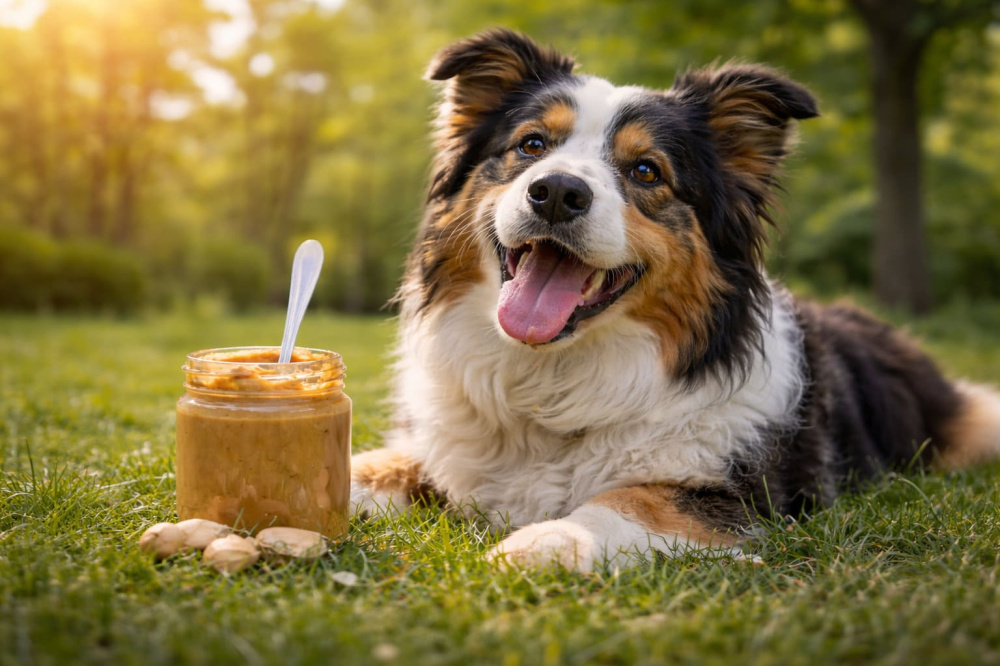
Peanut butter is one of the most popular treats used by dog owners. It is often given as a reward, used to hide medication, or placed inside enrichment toys. In general, plain peanut butter can be safe for dogs when given in moderation. However, not all peanut butter products are created equal.
In Queens, NY households, many commercial peanut butter brands contain added ingredients that may pose health risks to dogs. While peanuts themselves are not inherently toxic, the additives found in flavored or low-sugar varieties can be dangerous.
Dogs process fats and sugars differently than humans. Excessive consumption can lead to obesity, digestive upset, or even pancreatitis. Portion control and ingredient awareness are critical.
“Peanut butter is safe only when you know exactly what is in it.”
Before offering peanut butter to your dog, it is important to understand both the benefits and the risks.

The Danger of Xylitol in Peanut Butter
The most serious concern when asking “can dogs eat peanut butter” is the presence of xylitol. Xylitol is an artificial sweetener commonly found in sugar-free products.
In dogs, xylitol triggers a rapid insulin release, which causes blood sugar levels to drop dramatically. This can happen within minutes of ingestion.
Symptoms of xylitol poisoning include:
- Vomiting
- Weakness
- Tremors
- Seizures
- Collapse
In severe cases, xylitol can cause acute liver failure. Even small amounts can be life-threatening.
Always read ingredient labels carefully. If peanut butter contains xylitol, it must never be given to dogs. If ingestion occurs, immediate emergency veterinary care in Queens is required.
How Much Peanut Butter Is Too Much
Even when peanut butter does not contain xylitol, it should only be offered in moderation. Peanut butter is high in fat and calories. Overfeeding can contribute to weight gain and digestive problems.
Excessive fat intake may trigger pancreatitis, especially in small breeds or dogs with a history of gastrointestinal sensitivity.
General guidelines include:
- Small dogs – no more than half a teaspoon occasionally
- Medium dogs – about one teaspoon occasionally
- Large dogs – up to one tablespoon occasionally
Peanut butter should be treated as a special treat, not a daily dietary staple.
If your dog has underlying medical conditions such as obesity, diabetes, or pancreatitis, consult your Queens veterinarian before offering peanut butter.
Benefits of Peanut Butter for Dogs
When used correctly, peanut butter can provide certain benefits. It contains protein, healthy fats, and vitamins such as vitamin E and B vitamins.
Peanut butter is also highly palatable, making it useful for:
- Administering medication
- Training rewards
- Mental enrichment through puzzle toys
- Reducing anxiety during grooming
For anxious dogs in urban environments like Queens, peanut butter-filled toys can provide calming distraction.
However, benefits must be balanced against calorie intake and ingredient safety.
Signs of Peanut Butter Intolerance or Allergy
While peanut allergies are more common in humans, dogs can also experience food sensitivities. Some dogs may develop gastrointestinal upset after consuming peanut butter.
Symptoms of intolerance may include:
- Vomiting
- Diarrhea
- Excessive itching
- Ear infections
- Skin redness
If you notice any adverse reaction after giving peanut butter, discontinue use and consult a veterinary clinic.
Any signs of weakness or tremors after peanut butter ingestion require immediate emergency evaluation due to possible xylitol exposure.
Monitoring your dog after introducing new treats is essential.
Can Puppies Eat Peanut Butter
Puppies can eat small amounts of plain peanut butter as an occasional treat. However, their digestive systems are still developing, and high-fat foods may cause upset more easily.
Portion control is especially important in growing puppies. Excess calories can contribute to unhealthy weight gain.
When introducing peanut butter to a puppy:
- Use a very small amount
- Choose unsalted, unsweetened varieties
- Monitor for digestive reactions
If your puppy has underlying health issues or breed predispositions to digestive disorders, discuss treat options with your veterinarian.
Natural vs Commercial Peanut Butter
Not all peanut butter products are the same. The safest options for dogs contain only peanuts and possibly a small amount of salt.
Avoid peanut butter with:
- Xylitol
- Added sugars
- Artificial sweeteners
- Chocolate flavoring
- Excessive salt
Natural peanut butter may separate, requiring stirring. While this is normal, always confirm ingredient lists.
Many Queens pet owners prefer organic or natural brands to minimize additive exposure.
“Reading labels is the most important step in preventing peanut butter-related emergencies.”
Choosing carefully reduces health risks significantly.
Peanut Butter and Pancreatitis Risk
Pancreatitis is an inflammatory condition of the pancreas often triggered by high-fat foods. Dogs with a history of pancreatitis should avoid peanut butter entirely unless specifically approved by a veterinarian.
Symptoms of pancreatitis include:
- Severe abdominal pain
- Repeated vomiting
- Lethargy
- Loss of appetite
Emergency treatment may involve IV fluids, hospitalization, and pain management.
If your dog shows digestive distress after eating peanut butter, contact a veterinary clinic in Queens for evaluation.
When Peanut Butter Becomes an Emergency
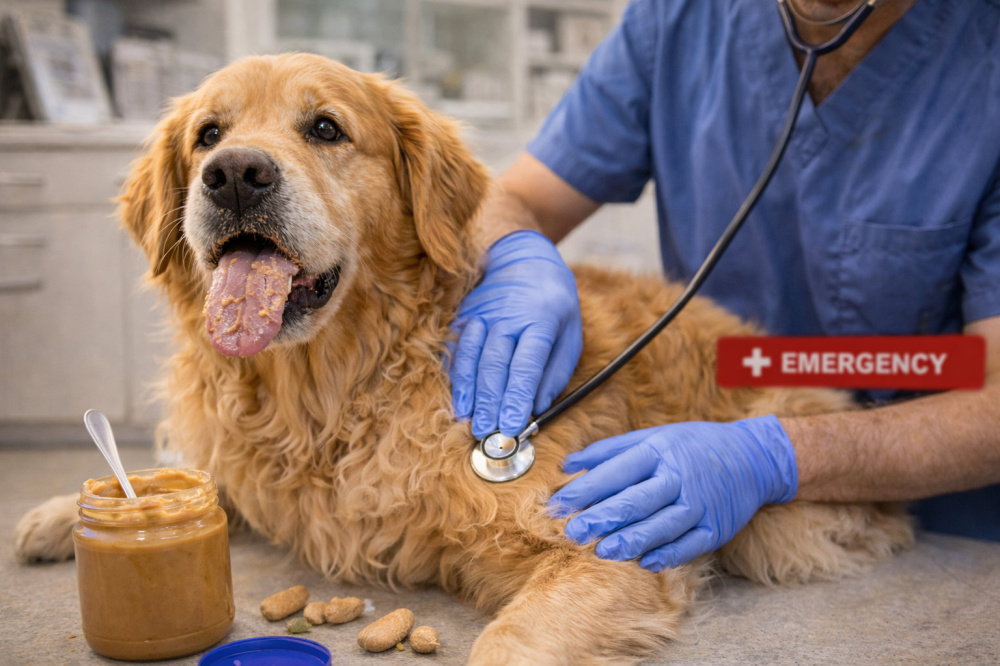
Peanut butter becomes dangerous primarily when it contains xylitol or is consumed in excessive amounts. Large ingestions may cause digestive blockage or severe gastrointestinal upset.
Emergency warning signs include:
- Sudden weakness
- Tremors or seizures
- Persistent vomiting
- Severe lethargy
Do not wait for symptoms to worsen. Early treatment improves outcomes significantly.
If you suspect toxic exposure, bring the product packaging to the veterinary clinic for immediate review.
Safe Alternatives to Peanut Butter
If you prefer to avoid peanut butter entirely, there are safer treat alternatives available.
Consider:
- Plain pumpkin puree
- Small pieces of apple without seeds
- Commercial veterinarian-approved dog treats
- Prescription treats for sensitive dogs
Consulting with your veterinarian helps ensure treats align with your dog’s nutritional needs.
Regular wellness visits allow discussion of diet, weight management, and safe treat options.
When to Contact a Veterinarian in Queens NY
If your dog has eaten peanut butter containing xylitol, shows unusual symptoms, or consumed a large amount, seek immediate veterinary attention.
Even if symptoms appear mild, professional evaluation is recommended to rule out complications. Early intervention reduces risk of liver damage, hypoglycemia, and pancreatitis.
If you have questions about safe treat choices, diet recommendations, or want to schedule a preventive consultation, contact our veterinary clinic in Queens NY today. Prompt guidance protects your dog’s health and ensures safe, responsible treat practices.