


Cat Breathing Fast While Resting
- Fast Breathing in a Resting Cat Is Never Normal
- What Is Considered Normal Breathing for Cats
- Why Fast Breathing Happens Without Activity
- Respiratory Diseases That Cause Rapid Breathing
- Heart Disease and Fluid Accumulation
- Pain as a Hidden Cause of Rapid Breathing
- Stress and Anxiety Effects on Breathing
- Anemia and Oxygen Delivery Problems
- Toxins and Metabolic Disorders
- When Fast Breathing Becomes an Emergency
- How Veterinarians Diagnose Fast Breathing
- Treatment and Monitoring Options
- Scheduling a Veterinary Appointment Without Delay
Fast Breathing in a Resting Cat Is Never Normal
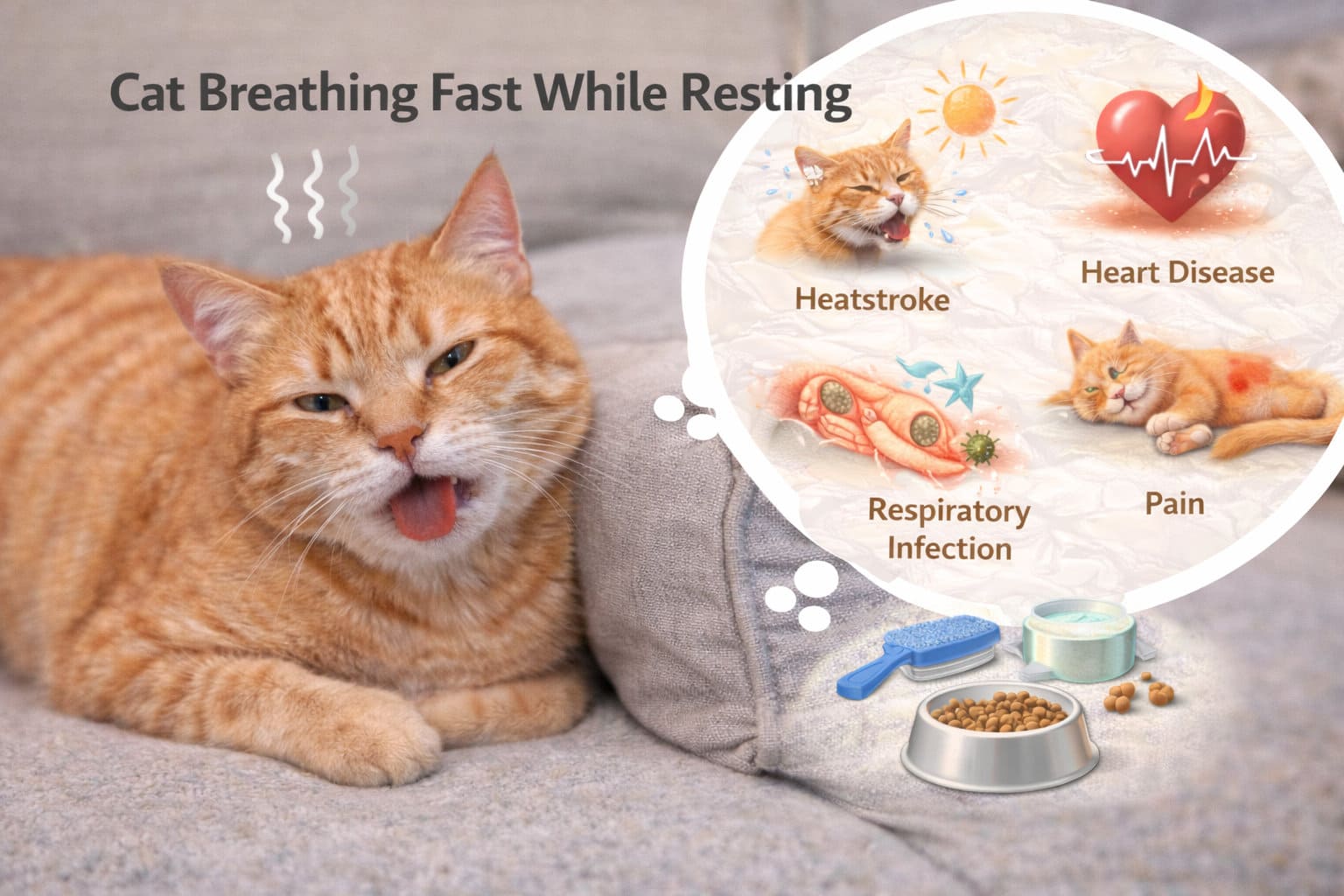
When a cat is breathing fast while resting, it is a sign that the body is under stress. Unlike dogs, cats do not normally pant or breathe rapidly unless something is wrong. Rapid breathing at rest is one of the most concerning symptoms veterinarians see in feline patients.
A resting cat should appear calm, with slow and steady chest movements. If the chest is rising and falling rapidly while the cat is relaxed or sleeping, this indicates that the body is struggling to meet oxygen demands.
Many cat owners in Queens only notice the problem when their cat is lying quietly and still breathing fast. This symptom often appears before other visible signs of illness.
“Fast breathing at rest is always a reason to seek veterinary advice.”
What Is Considered Normal Breathing for Cats
A healthy resting cat typically breathes between 20 and 30 breaths per minute. Breathing should be quiet, effortless, and barely noticeable. Any deviation from this pattern deserves attention.
Fast breathing may look subtle at first. Owners may notice the sides of the chest moving quickly or the abdomen participating in breathing. These are early warning signs.
It is important to observe breathing when the cat is calm, not after play or stress. Measuring respiratory rate during sleep provides the most accurate information.
Consistently elevated breathing rates indicate a problem that should not be ignored.
Why Fast Breathing Happens Without Activity
When a cat breathes rapidly without exertion, the cause is almost always internal. The body may be compensating for reduced oxygen intake, pain, fever, or fluid buildup.
Cats do not show weakness easily. Fast breathing is often one of the earliest physical signs that something serious is developing internally.
Because cats instinctively hide illness, owners may miss other symptoms entirely. This makes breathing changes especially important.
Early recognition allows for faster diagnosis and better outcomes.
Unnumbered list:
- Oxygen deficiency
- Internal pain or fever
- Heart or lung dysfunction
Respiratory Diseases That Cause Rapid Breathing
Respiratory conditions are a common cause of fast breathing in cats. Pneumonia, asthma, and bronchitis interfere with normal airflow and oxygen exchange.
Inflammation or infection in the lungs makes breathing harder, forcing the cat to breathe faster to compensate. Even mild respiratory disease can cause visible changes at rest.
Cats with respiratory issues may avoid movement, hide more, or sleep in unusual positions to ease breathing.
Veterinary diagnosis is essential, as respiratory conditions can worsen rapidly without treatment.
Heart Disease and Fluid Accumulation
Heart disease is a leading cause of fast breathing in resting cats, especially in middle-aged and senior cats. When the heart cannot pump efficiently, fluid may accumulate in or around the lungs.
This fluid restricts lung expansion and forces the cat to breathe faster. In some cases, breathing becomes shallow and labored.
Heart-related breathing problems often appear suddenly, even if the cat seemed healthy before. This makes early detection challenging.
“Heart disease in cats often reveals itself through breathing changes.”
Pain as a Hidden Cause of Rapid Breathing
Pain causes physiological stress that increases breathing rate. Cats experiencing pain may not vocalize or limp but will show subtle signs such as fast breathing.
Internal pain from abdominal issues, trauma, or inflammation frequently leads to increased respiratory effort. External injuries are not always visible.
Pain-related breathing changes often worsen at rest, when the cat is no longer distracted.
Pain should always be considered when breathing changes occur without obvious respiratory symptoms.
Numbered list:
- Internal inflammation or injury
- Fever-related discomfort
- Post-surgical or trauma-related pain
Stress and Anxiety Effects on Breathing
Stress can temporarily increase breathing rate, but persistent fast breathing while resting is not normal stress behavior. Chronic anxiety can worsen underlying medical conditions.
Environmental stressors such as loud noise, new pets, or unfamiliar surroundings may trigger breathing changes in sensitive cats.
Stress-related breathing often coexists with hiding, reduced appetite, or changes in litter box habits.
Addressing stress alone is not enough until medical causes are ruled out.
Anemia and Oxygen Delivery Problems
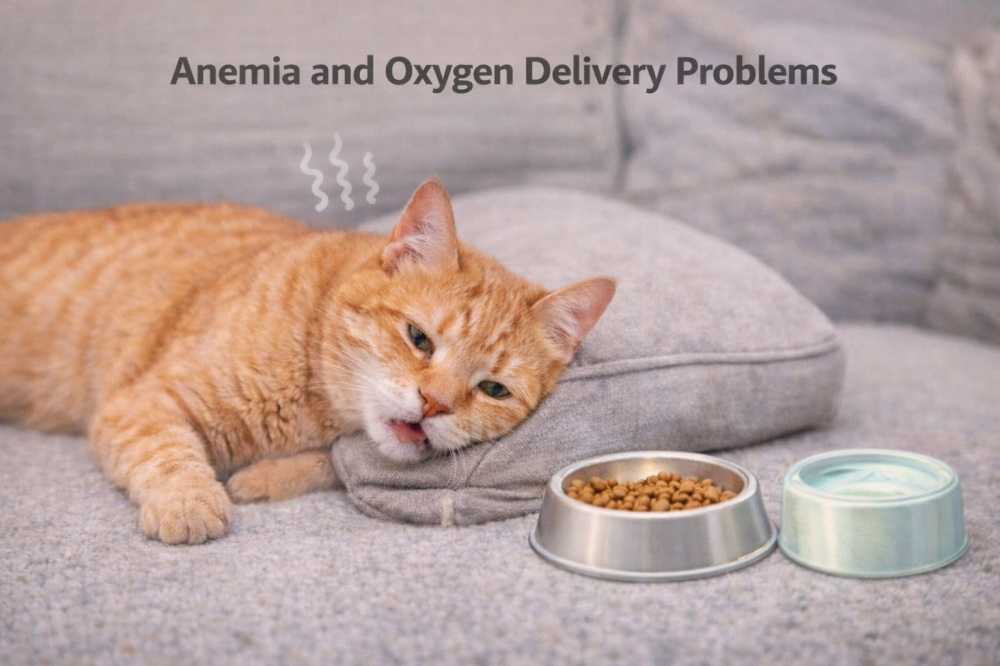
Anemia reduces the blood’s ability to carry oxygen. When tissues do not receive enough oxygen, the body responds by increasing breathing rate.
Anemic cats may appear pale, weak, or lethargic. Fast breathing may be the first visible sign before other symptoms develop.
Anemia can result from chronic disease, parasites, immune disorders, or internal bleeding.
Blood tests are essential for diagnosis and treatment planning.
Toxins and Metabolic Disorders
Exposure to toxins can cause rapid breathing due to metabolic disruption. Certain household substances, plants, and medications are especially dangerous to cats.
Metabolic conditions such as kidney disease or severe electrolyte imbalance can also trigger breathing changes.
These cases often progress quickly and require immediate veterinary intervention.
“Rapid breathing combined with sudden behavior changes is an emergency.”
Unnumbered list:
- Exposure to toxic substances
- Kidney or metabolic disease
- Severe systemic illness
When Fast Breathing Becomes an Emergency
Fast breathing is an emergency when it is persistent, worsening, or accompanied by open-mouth breathing. Cats should never breathe with their mouths open at rest.
Blue or pale gums, collapse, or extreme lethargy are critical warning signs. These symptoms indicate inadequate oxygen delivery.
Delaying care in these situations can be life-threatening.
Immediate veterinary evaluation is essential.
How Veterinarians Diagnose Fast Breathing
Diagnosis begins with careful observation and physical examination. Veterinarians assess breathing rate, lung sounds, heart rhythm, and oxygen levels.
Diagnostic tests often include X-rays, ultrasound, blood work, and oxygen measurement. These tools help identify heart, lung, and systemic causes.
Accurate diagnosis allows for targeted treatment rather than trial-and-error.
Queens veterinary clinics prioritize rapid diagnostics for breathing emergencies.
Treatment and Monitoring Options
Treatment depends on the underlying cause. Oxygen therapy is often used to stabilize cats with respiratory distress.
Medical treatment may include medication for heart disease, infection, inflammation, or pain. Some cases require hospitalization for monitoring.
Long-term management may be necessary for chronic conditions. Close follow-up improves outcomes and quality of life.
Successful treatment depends on early intervention and precise diagnosis.
Scheduling a Veterinary Appointment Without Delay
If your cat is breathing fast while resting, scheduling a veterinary appointment immediately is the safest decision. Waiting to see if it improves can be dangerous.
During the visit, the veterinarian will explain diagnostic findings, treatment options, and monitoring needs. The price of care depends on diagnostics and required treatment, which is why individualized evaluation is important.
Pet owners are strongly encouraged to schedule an appointment as soon as fast breathing is observed, even if the cat seems otherwise normal.
Your cat’s breathing, comfort, and survival depend on timely veterinary care and informed decisions.