


Cat Not Eating What to Do
- Loss of Appetite in Cats Should Never Be Ignored
- How Long Can a Cat Go Without Food Safely
- Common Medical Reasons Cats Stop Eating
- Stress and Environmental Changes Affect Eating
- Nausea and Digestive Discomfort in Cats
- Medication Side Effects and Appetite Changes
- Dental Pain and Oral Health Problems
- Age-Related Appetite Changes in Cats
- When a Cat Not Eating Becomes an Emergency
- Diagnostic Process at a Veterinary Clinic
- Treatment Options and Nutritional Support
- What to Do Next and Scheduling a Veterinary Visit
Loss of Appetite in Cats Should Never Be Ignored
When a cat stops eating, it is almost always a sign that something is wrong. Cats are biologically designed to eat small meals frequently, and even short periods without food can negatively affect their health. Unlike dogs, cats are far less tolerant of fasting.
Many cat owners in Queens assume their cat is being picky or temporarily stressed. While cats can occasionally skip a meal, refusal to eat for more than 24 hours is a red flag that requires attention. Appetite loss is not a normal behavior in cats.
Cats often hide pain and illness exceptionally well. A decrease in food intake may be the only visible symptom of a serious underlying condition. Waiting for additional signs can allow the problem to worsen.
“Cats rarely stop eating without a reason.”

How Long Can a Cat Go Without Food Safely
Healthy adult cats should not go more than 24 hours without eating. After this point, the risk of liver complications increases significantly. One of the most serious risks is hepatic lipidosis, a potentially life-threatening condition.
When a cat does not eat, the body begins breaking down fat for energy. In cats, this process can overwhelm the liver, leading to liver failure. Overweight cats are especially vulnerable to this condition.
Kittens and senior cats are even more fragile. A kitten that stops eating can decline rapidly, while older cats may already have underlying conditions that worsen quickly without nutrition.
Understanding the urgency of appetite loss helps cat owners act before irreversible damage occurs.
Common Medical Reasons Cats Stop Eating
Medical conditions are the most frequent cause of appetite loss in cats. Dental disease, oral pain, gastrointestinal disorders, kidney disease, infections, and inflammatory conditions often suppress appetite.
Pain plays a major role. Cats with sore teeth, gum disease, or mouth ulcers may want to eat but avoid food due to discomfort. Internal pain can also reduce interest in eating.
Chronic illnesses such as kidney disease or diabetes may cause gradual appetite decline. Infections or acute illnesses may cause sudden food refusal.
Early veterinary evaluation allows for accurate diagnosis and timely treatment. Treating the cause often restores appetite naturally.
Unnumbered list:
- Dental disease and oral pain
- Kidney or liver disease
- Infections and inflammation
Stress and Environmental Changes Affect Eating
Cats are extremely sensitive to changes in their environment. Stress is a common but underestimated cause of appetite loss. Even minor changes can disrupt eating habits.
Common stressors include moving, new pets, unfamiliar visitors, loud noises, or changes in routine. Cats may respond by hiding, withdrawing, or refusing food.
Unlike dogs, cats often express emotional distress physically. Appetite loss may appear before any behavioral signs of anxiety are noticeable.
“Stress can suppress appetite just as strongly as illness.”
Nausea and Digestive Discomfort in Cats
Digestive discomfort is another leading cause of reduced appetite. Nausea makes eating unpleasant and may cause cats to approach food but walk away without eating.
Hairballs, constipation, inflammatory bowel disease, or food intolerance can all contribute to nausea. Even mild digestive upset can cause a cat to stop eating.
Cats experiencing nausea may also drool, lip-smack, or swallow repeatedly. These signs are often subtle and easily missed.
Veterinary evaluation is necessary to determine whether digestive issues are mild or part of a more serious condition.
Medication Side Effects and Appetite Changes
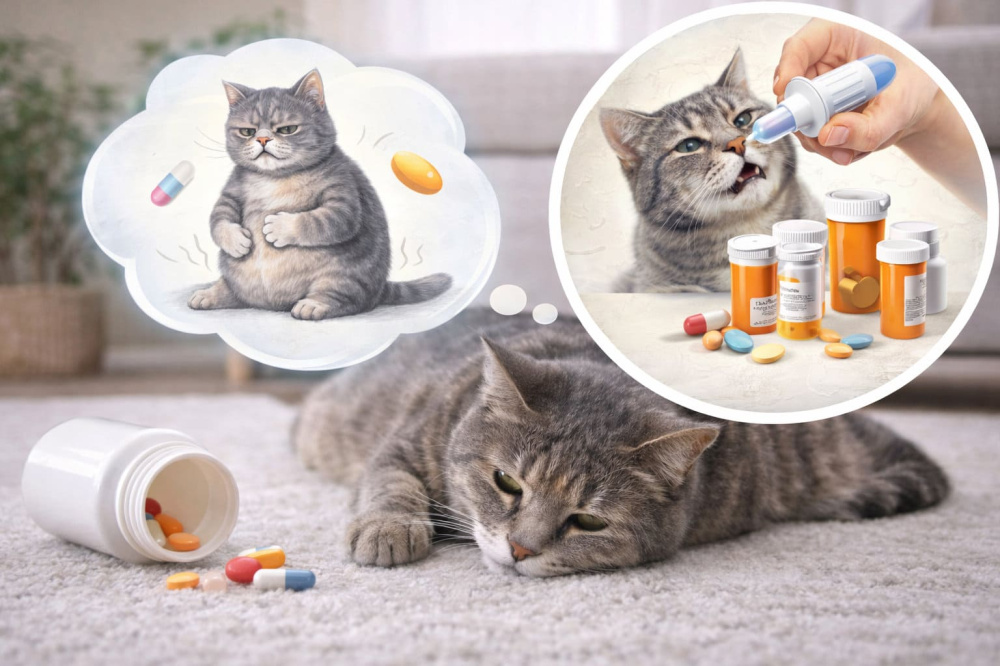
Certain medications can affect a cat’s appetite. Antibiotics, pain medications, and long-term treatments may alter taste or cause mild nausea.
Appetite loss may appear shortly after starting a new medication. While some side effects resolve quickly, others require dosage adjustment or alternative therapies.
Never stop or change prescribed medication without veterinary guidance. Doing so may worsen the underlying condition.
Veterinarians can recommend supportive strategies to help maintain nutrition during treatment.
Numbered list:
- Review recent medications
- Observe timing of appetite loss
- Contact your veterinarian for guidance
Dental Pain and Oral Health Problems
Dental disease is one of the most overlooked causes of appetite loss in cats. Cats with painful teeth or gums may stop eating suddenly or avoid dry food.
Signs of dental pain include dropping food, chewing on one side, pawing at the mouth, or bad breath. Some cats continue to eat soft food but refuse kibble.
Oral pain often develops gradually, making early symptoms easy to miss. Regular dental exams are essential for prevention.
Treating dental issues often results in rapid improvement in appetite.
Age-Related Appetite Changes in Cats
Senior cats frequently experience changes in appetite due to age-related health issues. Decreased sense of smell, arthritis, kidney disease, and thyroid disorders all affect eating habits.
While mild appetite changes can occur with aging, complete refusal to eat is never normal. Senior cats require prompt evaluation when appetite declines.
Kittens may stop eating due to parasites, infections, or stress during development. Appetite loss in young cats is especially concerning.
Age-specific veterinary care helps ensure proper nutrition at every life stage.
When a Cat Not Eating Becomes an Emergency
Certain situations require immediate veterinary attention. A cat that refuses food for more than 24 hours should be evaluated as soon as possible.
Vomiting, lethargy, jaundice, or rapid weight loss combined with appetite loss indicate a potentially serious condition. These signs should never be ignored.
Cats with chronic illnesses or those who are overweight are at higher risk of complications when they stop eating.
“Delaying care can turn a treatable problem into a life-threatening emergency.”
Unnumbered list:
- No food intake for 24 hours
- Lethargy or hiding behavior
- Vomiting or yellowing of the eyes
Diagnostic Process at a Veterinary Clinic
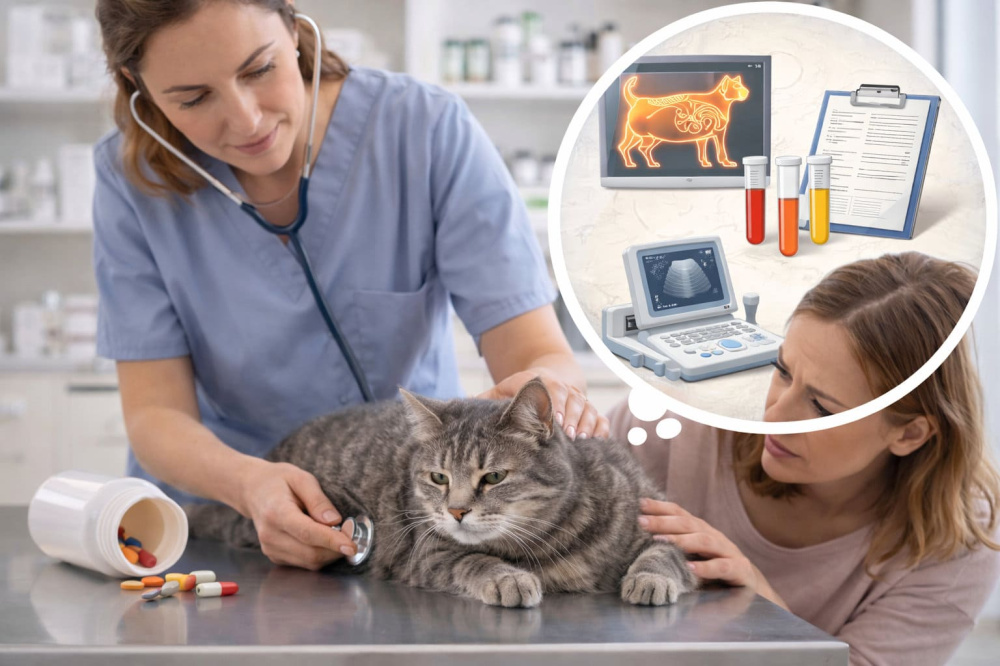
Diagnosis begins with a physical examination and detailed medical history. Information about diet, environment, stressors, and recent changes is critical.
Veterinary diagnostics may include blood tests, urine analysis, imaging, and dental examination. These tests help identify hidden causes of appetite loss.
Accurate diagnosis prevents unnecessary treatments and speeds recovery. It also allows for personalized care planning.
Queens veterinary clinics emphasize early diagnostics to reduce complications and long-term costs.
Treatment Options and Nutritional Support
Treatment depends entirely on the underlying cause. Medical conditions may require medication, fluid therapy, dental care, or dietary changes.
Veterinarians often recommend prescription diets or temporary feeding strategies to encourage eating during recovery. Appetite stimulants may be used when appropriate.
Maintaining calorie intake is critical. Cats that do not eat for several days require nutritional support to prevent liver damage.
Successful treatment focuses on both immediate recovery and long-term prevention.
What to Do Next and Scheduling a Veterinary Visit
If your cat is not eating, scheduling a veterinary appointment is the safest and most responsible step. Professional evaluation ensures serious conditions are identified early.
During the visit, the veterinarian will discuss diagnostic options, treatment plans, and expected recovery timelines. The price of care depends on the underlying condition and required diagnostics, which is why individualized assessment is important.
Pet owners are encouraged to schedule an appointment promptly rather than waiting for appetite to return on its own. Early care is more effective and often less costly.
Your cat’s health, comfort, and quality of life depend on timely veterinary attention and informed decisions.