


Cat Not Using Back Legs Suddenly
- Sudden Loss of Back Leg Use in Cats Is Always an Emergency
- How Sudden Hind Limb Weakness Appears in Cats
- Why This Symptom Is So Dangerous
- Aortic Thromboembolism as a Leading Cause
- Heart Disease and Circulatory Failure
- Neurological Causes and Spinal Injury
- Severe Pain and Shock Responses
- Trauma That Is Not Immediately Obvious
- Toxins and Metabolic Disorders
- When Sudden Hind Leg Paralysis Is an Immediate Emergency
- How Veterinarians Diagnose the Cause
- Treatment Options and Prognosis
- What to Do Immediately as a Cat Owner
Sudden Loss of Back Leg Use in Cats Is Always an Emergency
When a cat suddenly cannot use its back legs, this is one of the most alarming symptoms a pet owner can witness. Unlike gradual mobility decline, sudden paralysis or weakness indicates an acute and often life-threatening condition. This situation requires immediate veterinary attention.
Cats rely heavily on their hind legs for balance, movement, and basic survival behaviors. Losing function suddenly means something has disrupted the nervous system, blood supply, or musculoskeletal integrity. Waiting to see if the condition improves can result in permanent damage or loss of life.
Many owners in Queens initially assume the cat was injured while jumping or playing. While trauma is possible, there are several internal causes that are far more dangerous and time-sensitive.
“Sudden hind leg paralysis in cats is a true medical emergency.”
How Sudden Hind Limb Weakness Appears in Cats
The loss of back leg function may present in different ways. Some cats drag one or both hind legs, while others cannot stand at all. In severe cases, the cat may vocalize in pain or appear extremely distressed.
Not all cats show obvious pain. Some remain quiet, hide, or become unusually still. The absence of visible pain does not mean the condition is mild.
Owners may notice cold back paws, abnormal posture, or loss of coordination. These signs provide important clues about the underlying cause.
Any rapid change in mobility should be treated as urgent.
Why This Symptom Is So Dangerous
Sudden hind leg dysfunction often involves interruption of blood flow or nerve signals. The longer these systems are compromised, the greater the risk of irreversible damage.
In some conditions, toxins and metabolic waste accumulate rapidly, affecting multiple organs. What begins as a mobility issue can escalate into systemic failure.
Cats are especially vulnerable because they mask illness until compensation is no longer possible. By the time back legs stop working, the condition is usually advanced.
Immediate diagnosis can mean the difference between recovery and permanent paralysis.
Unnumbered list:
- Sudden paralysis or severe weakness
- Loss of coordination or collapse
- Inability to stand or walk
Aortic Thromboembolism as a Leading Cause
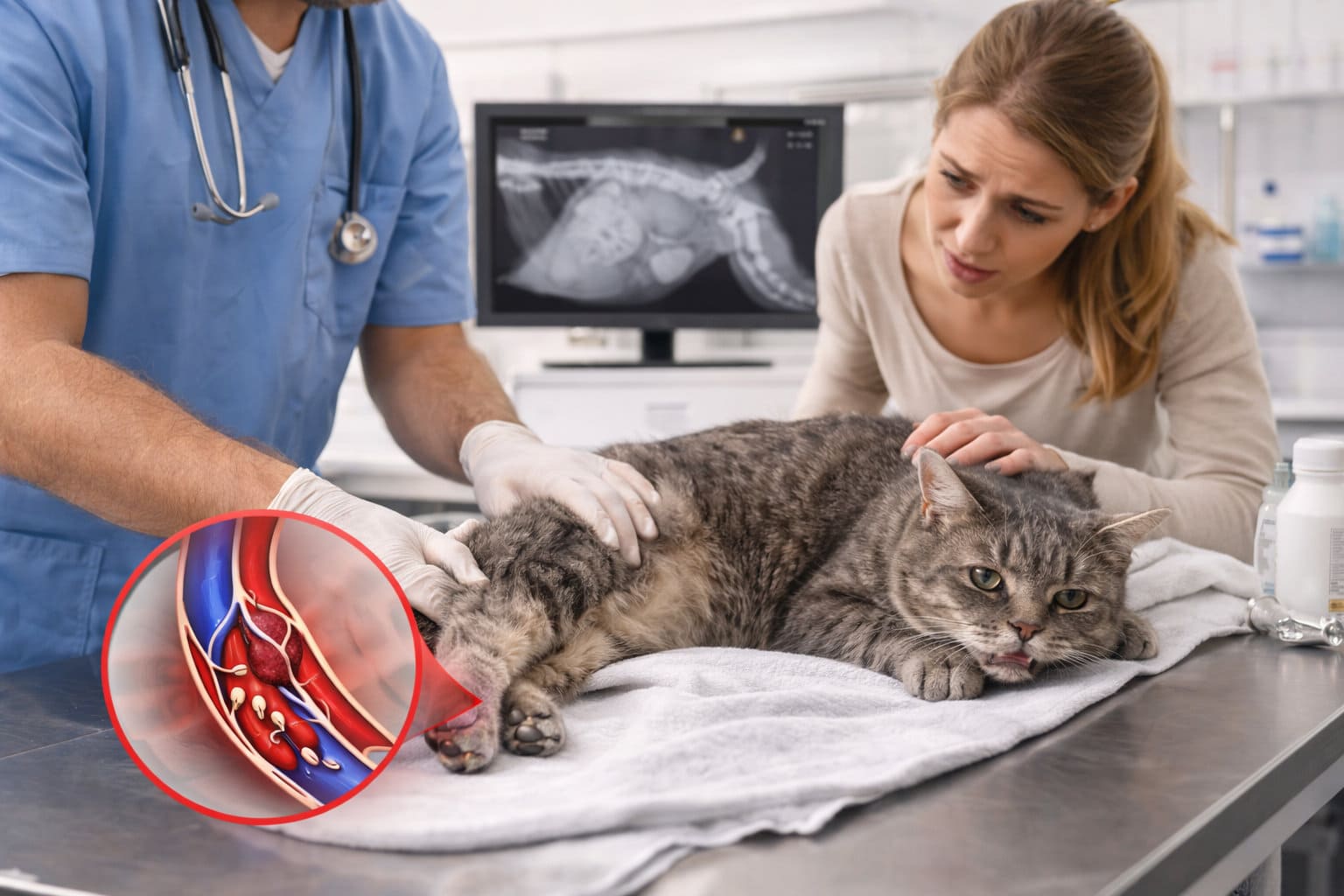
One of the most common and serious causes of sudden hind leg paralysis in cats is aortic thromboembolism. This condition occurs when a blood clot lodges at the point where the aorta splits to supply blood to the back legs.
The clot blocks blood flow abruptly, causing intense pain and sudden loss of limb function. The back legs often feel cold and may appear pale or bluish.
Aortic thromboembolism is frequently associated with underlying heart disease that may have gone undetected. The onset is sudden and dramatic.
“This condition is extremely painful and progresses rapidly.”
Heart Disease and Circulatory Failure
Heart disease in cats often goes unnoticed until a catastrophic event occurs. Some cats appear completely healthy before suddenly losing hind limb function due to a clot.
When the heart does not pump efficiently, blood can pool and clot. These clots may then travel and obstruct critical blood vessels.
Breathing difficulty, rapid heart rate, and shock may accompany hind leg paralysis. This combination significantly increases mortality risk.
Early cardiac diagnosis improves outcomes but sudden events still occur even in monitored patients.
Neurological Causes and Spinal Injury
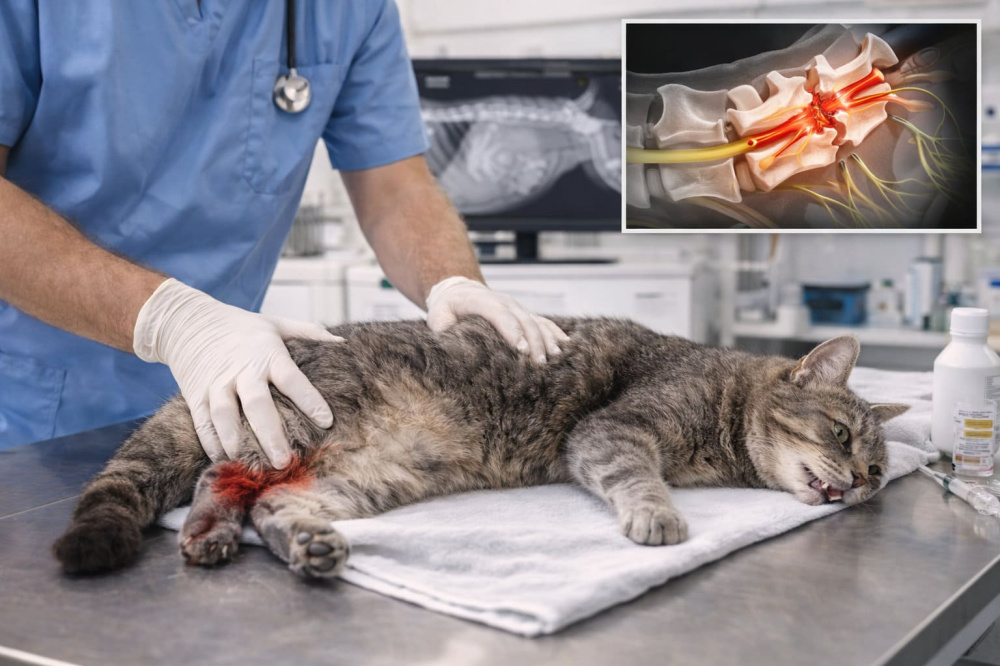
Neurological disorders can also cause sudden loss of back leg use. Spinal cord injury, disc disease, or inflammation may disrupt nerve signals to the hind limbs.
Trauma such as falls, being stepped on, or accidents can cause spinal damage even if external injuries are not visible. Cats may stop moving their back legs immediately or deteriorate over hours.
Some neurological conditions are inflammatory or infectious in nature. These may progress quickly without treatment.
Numbered list:
- Spinal trauma or compression
- Acute disc or nerve injury
- Inflammatory neurological disease
Severe Pain and Shock Responses
Pain alone can sometimes cause a cat to stop using its back legs. Extreme pain triggers shock responses that affect circulation and muscle control.
Cats in shock may appear weak, unresponsive, or cold to the touch. Their breathing and heart rate may become abnormal.
Pain-related immobility should never be assumed to be temporary. It often signals serious internal injury or disease.
“Cats in shock may become quiet rather than vocal.”
Trauma That Is Not Immediately Obvious
Not all traumatic injuries involve visible wounds. Internal bleeding, pelvic fractures, or soft tissue damage can cause sudden hind limb dysfunction.
Cats that go outdoors or live in multi-pet households are at higher risk of unnoticed trauma. Even indoor cats can suffer injury from falls or accidents.
Trauma cases can worsen rapidly if internal injuries are missed. Veterinary imaging is essential for accurate diagnosis.
Prompt care significantly improves survival and recovery chances.
Toxins and Metabolic Disorders
Certain toxins can affect the nervous system or muscles, leading to sudden weakness or paralysis. Exposure may occur through plants, medications, or chemicals.
Metabolic disorders such as severe electrolyte imbalance can also disrupt nerve and muscle function. These conditions may progress rapidly.
In toxin or metabolic cases, additional symptoms such as vomiting, tremors, or altered consciousness may appear.
Unnumbered list:
- Toxic substance exposure
- Severe metabolic imbalance
- Systemic organ failure
When Sudden Hind Leg Paralysis Is an Immediate Emergency
This symptom should always be treated as an emergency, regardless of severity. Cats that cannot use their back legs require immediate veterinary care.
Delaying treatment can result in permanent nerve damage, limb loss, or death. Even short delays reduce the chances of recovery.
Emergency care allows stabilization, pain control, and rapid diagnostics.
“There is no safe waiting period for this condition.”
How Veterinarians Diagnose the Cause
Veterinary evaluation begins with assessing circulation, pain level, and neurological function. Temperature of the limbs and pulse quality provide critical clues.
Diagnostic tests may include X-rays, ultrasound, blood work, and cardiac evaluation. These tests help identify clots, spinal injury, or systemic disease.
In emergency cases, diagnosis and treatment often occur simultaneously due to urgency.
Queens emergency veterinary clinics are equipped to handle these complex cases.
Treatment Options and Prognosis
Treatment depends entirely on the underlying cause. Pain management and stabilization are immediate priorities.
Clot-related cases may require intensive care and long-term management. Neurological injuries may need surgery or extended rehabilitation.
Prognosis varies widely. Some cats recover partial or full mobility, while others may have permanent deficits.
Early intervention offers the best chance for survival and recovery.
What to Do Immediately as a Cat Owner
If your cat suddenly cannot use its back legs, seek emergency veterinary care immediately. Do not attempt to move the cat excessively or apply home treatments.
Keep the cat warm and calm during transport. Call ahead so the clinic can prepare for urgent care.
The price of treatment depends on diagnostics and severity, which is why rapid individual assessment is essential.
Pet owners are strongly urged to seek emergency veterinary care immediately when this symptom appears. Quick action can save your cat’s life and prevent irreversible damage.