


Dog Diarrhea Causes and Treatment
- Understanding Dog Diarrhea as a Common Health Issue
- Common Causes of Diarrhea in Dogs
- Acute vs Chronic Diarrhea in Dogs
- When Dog Diarrhea Becomes an Emergency
- Diagnostic Approach to Dog Diarrhea
- Home Care for Mild Diarrhea in Dogs
- Veterinary Treatment Options for Dog Diarrhea
- The Role of Diet in Preventing Diarrhea
- Parasites and Infections in Urban Dogs
- Preventive Veterinary Care and Regular Checkups
- When to Schedule a Veterinary Appointment
Understanding Dog Diarrhea as a Common Health Issue
Dog diarrhea is one of the most frequent reasons pet owners contact a veterinary clinic in Queens. While it may seem like a minor digestive upset, diarrhea can be an early warning sign of deeper health problems that require professional attention. Changes in stool consistency, frequency, and color should never be ignored, especially when symptoms persist for more than a short period.
Many dog owners initially try to manage diarrhea at home, assuming it will resolve on its own. In some cases, mild digestive disturbances do pass quickly. However, prolonged or severe diarrhea can lead to dehydration, electrolyte imbalance, and nutritional deficiencies, particularly in puppies, senior dogs, and small breeds.
It is important to understand that diarrhea itself is not a disease but a symptom. Identifying the underlying cause is essential for effective treatment. Veterinary diagnostics help determine whether the issue is dietary, infectious, parasitic, or related to a chronic condition.
As one experienced veterinarian often notes, “Diarrhea is the body’s alarm system. Treating the symptom without understanding the cause can delay proper care and worsen the outcome.”

Common Causes of Diarrhea in Dogs
There are numerous reasons why a dog may develop diarrhea, ranging from mild to potentially life-threatening. Dietary indiscretion, such as eating table scraps or garbage, is one of the most common causes seen in veterinary clinics across New York City.
Food intolerance or sudden changes in diet can also disrupt the digestive system. Dogs have sensitive gastrointestinal tracts, and switching food brands too quickly may lead to loose stools. Additionally, spoiled food or ingestion of toxic substances can cause acute diarrhea.
Infectious causes include bacterial, viral, and parasitic agents. Conditions such as giardia, roundworms, or viral infections like parvovirus are particularly concerning and require immediate veterinary intervention.
Stress is another underestimated factor. Moving to a new home, boarding, loud environments, or changes in routine can trigger digestive upset in dogs, especially those prone to anxiety.
Acute vs Chronic Diarrhea in Dogs
Acute diarrhea typically appears suddenly and lasts for a short time, often resolving within one to two days. This form is frequently linked to dietary changes, stress, or mild infections. While acute diarrhea can be alarming, it is not always dangerous if addressed promptly.
Chronic diarrhea, on the other hand, persists for weeks or recurs frequently. This type often signals underlying health issues such as inflammatory bowel disease, food allergies, pancreatic disorders, or hormonal imbalances. Chronic cases always warrant a full veterinary evaluation.
Understanding the duration and pattern of diarrhea helps veterinarians narrow down potential causes. Keeping a symptom timeline can be extremely helpful during a clinic visit.
Pet owners should never ignore ongoing digestive problems. Chronic diarrhea can gradually weaken a dog’s immune system and overall health.
When Dog Diarrhea Becomes an Emergency
Not all diarrhea cases require urgent care, but certain symptoms indicate a medical emergency. If diarrhea is accompanied by vomiting, lethargy, fever, or refusal to eat, immediate veterinary attention is critical.
Blood in the stool, whether bright red or dark and tar-like, is another serious warning sign. These symptoms may indicate internal bleeding, severe infection, or intestinal obstruction.
Puppies and senior dogs are especially vulnerable to dehydration. Even a short episode of diarrhea can quickly become dangerous due to fluid loss. Dogs with existing medical conditions are also at higher risk.
Seek immediate veterinary care if you notice:
- Severe weakness or collapse
- Persistent diarrhea lasting more than 48 hours
- Signs of dehydration such as dry gums or sunken eyes
Prompt diagnosis can be life-saving and significantly reduce treatment costs in the long term.
Diagnostic Approach to Dog Diarrhea
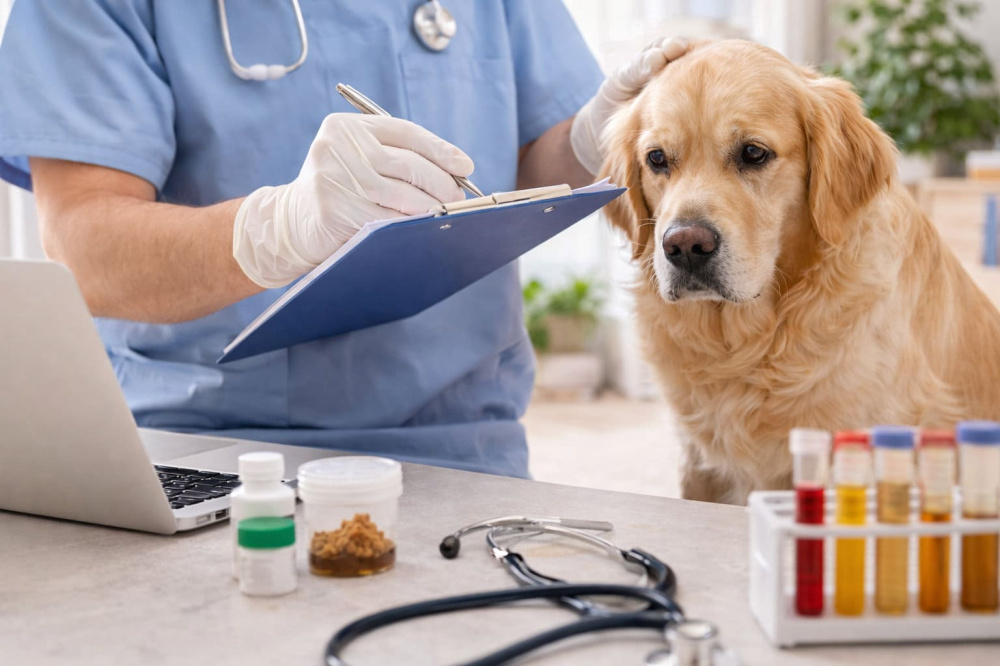
Veterinary diagnosis begins with a detailed medical history and physical examination. Information about diet, recent changes, travel history, and exposure to other animals helps guide the diagnostic process.
Laboratory tests may include fecal analysis, blood work, and urine testing. These help identify infections, parasites, inflammation, and organ dysfunction. In some cases, imaging such as X-rays or ultrasound is necessary to rule out foreign bodies or intestinal abnormalities.
Advanced diagnostics are especially important for chronic or recurrent diarrhea. Identifying the root cause allows for targeted treatment rather than temporary symptom control.
Many clinics in Queens emphasize early diagnostics because “accurate diagnosis reduces guesswork and leads to faster recovery.”
Home Care for Mild Diarrhea in Dogs
For mild, short-term diarrhea, veterinarians may recommend temporary home management. This typically includes withholding food for a short period while ensuring access to fresh water.
A bland diet is often introduced gradually. Boiled chicken and plain white rice are commonly used under veterinary guidance. This helps rest the digestive tract while providing gentle nutrition.
However, home care should never replace professional advice. If symptoms worsen or fail to improve, a veterinary visit is essential. Improper home treatment can mask symptoms and delay necessary care.
It is also important not to administer human medications without veterinary approval, as many common drugs are toxic to dogs.
Veterinary Treatment Options for Dog Diarrhea
Treatment depends entirely on the underlying cause. For bacterial or parasitic infections, prescription medications such as antibiotics or antiparasitic agents may be required. These treatments must be carefully dosed and monitored.
In cases of dehydration, fluid therapy may be necessary. Intravenous or subcutaneous fluids help restore hydration and electrolyte balance, especially in severe cases.
Dietary management plays a significant role in recovery. Prescription gastrointestinal diets are often recommended to support healing and prevent recurrence.
Veterinary clinics also address pain management, inflammation control, and supportive care as needed. Treatment plans are always individualized to ensure the best outcome.
The Role of Diet in Preventing Diarrhea
Proper nutrition is one of the most effective ways to prevent digestive issues in dogs. High-quality, consistent diets reduce the risk of gastrointestinal upset.
Sudden food changes should always be avoided. Any transition should occur gradually over several days to allow the digestive system to adapt. This is especially important for sensitive dogs.
Certain dogs benefit from specialized diets designed for food sensitivities or gastrointestinal health. Your veterinarian can recommend appropriate options based on your dog’s needs.
Preventive dietary strategies include:
- Maintaining a consistent feeding schedule
- Avoiding table scraps and high-fat foods
- Choosing veterinarian-approved diets
These measures significantly reduce the likelihood of recurring diarrhea.
Parasites and Infections in Urban Dogs
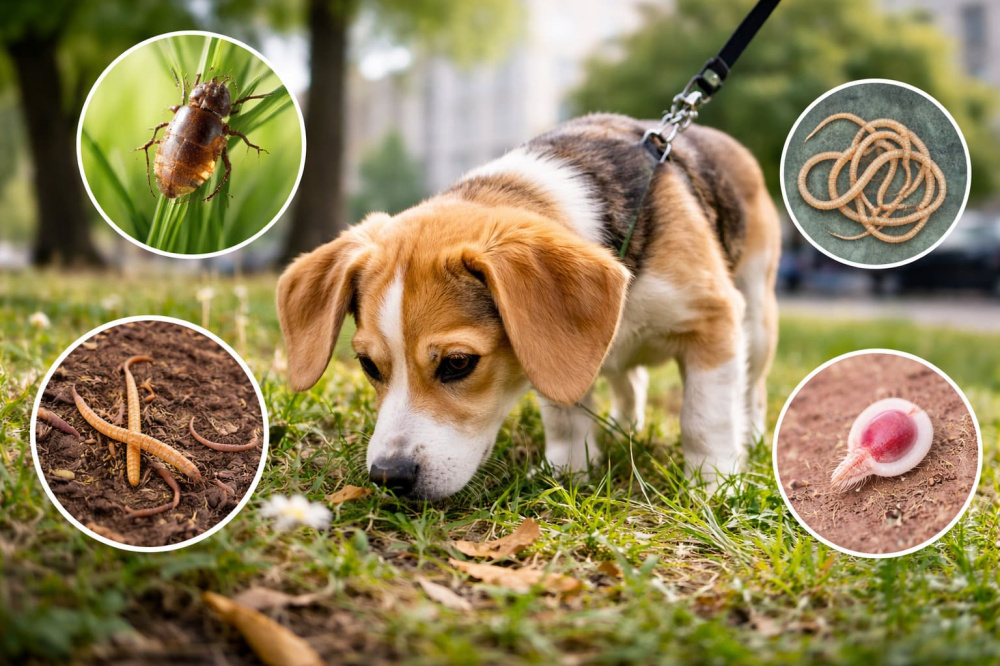
Dogs living in urban areas like Queens are frequently exposed to parasites and pathogens through parks, sidewalks, and communal spaces. Even well-cared-for dogs can become infected.
Regular fecal testing and preventive treatments are essential components of veterinary care. Early detection of parasites prevents severe symptoms and reduces the risk of transmission to other pets.
Vaccinations also play a role in preventing viral causes of diarrhea. Keeping vaccinations up to date is a critical preventive strategy recommended by veterinarians.
Routine wellness exams allow clinics to monitor digestive health and intervene early when problems arise.
Preventive Veterinary Care and Regular Checkups
Preventive care is the most cost-effective way to protect your dog’s digestive health. Regular veterinary visits help identify subtle changes before they become serious problems.
During routine exams, veterinarians assess weight, hydration, coat condition, and overall health. Digestive concerns are often detected early through these evaluations.
Scheduling regular checkups also provides an opportunity to discuss diet, supplements, and lifestyle factors that influence gastrointestinal health. Prevention always costs less than emergency treatment.
Many clinics encourage pet owners to schedule visits proactively rather than waiting for symptoms to worsen.
When to Schedule a Veterinary Appointment
If your dog experiences diarrhea more than once, scheduling a veterinary appointment is the safest course of action. Even mild symptoms can indicate underlying issues that require attention.
Veterinary professionals can provide clear guidance on treatment options, recovery timelines, and preventive strategies. Early intervention often reduces treatment duration and overall cost.
Pet owners are encouraged to schedule an appointment promptly rather than waiting for symptoms to resolve on their own. Pricing may vary depending on diagnostics and treatment, so discussing the expected price range during the visit helps avoid surprises.
Your dog’s comfort, health, and long-term wellbeing always come first. If you notice digestive changes, it is best to book a veterinary visit and receive professional care tailored to your pet’s needs.