


Dog Ear Infection Symptoms and Treatment
- Dog Ear Infections Are More Common Than Many Owners Realize
- Understanding the Structure of a Dog’s Ear
- Common Causes of Ear Infections in Dogs
- Recognizing Early Symptoms of Dog Ear Infections
- Advanced Symptoms That Require Immediate Attention
- Why Home Remedies Often Make Things Worse
- Diagnostic Process for Dog Ear Infections
- Treatment Options Based on Infection Type
- Managing Chronic and Recurrent Ear Infections
- Preventing Future Ear Infections
- When to Schedule a Veterinary Appointment
- Long-Term Outlook and Quality of Life
Dog Ear Infections Are More Common Than Many Owners Realize
Ear infections are one of the most frequent reasons dogs are brought to veterinary clinics. They can develop quickly, cause significant discomfort, and worsen if not treated properly. Many dogs suffer in silence until symptoms become impossible to ignore.
Dogs rely heavily on their ears for balance and environmental awareness. When inflammation or infection occurs, even simple movements can become painful. This discomfort often affects mood, appetite, and overall behavior.
In Queens, veterinarians regularly see ear infections caused by a combination of environmental factors, allergies, and anatomy. Dogs with floppy ears or narrow ear canals are especially prone to recurring issues.
“An untreated ear infection can quickly progress from mild irritation to severe pain.”
Understanding the Structure of a Dog’s Ear
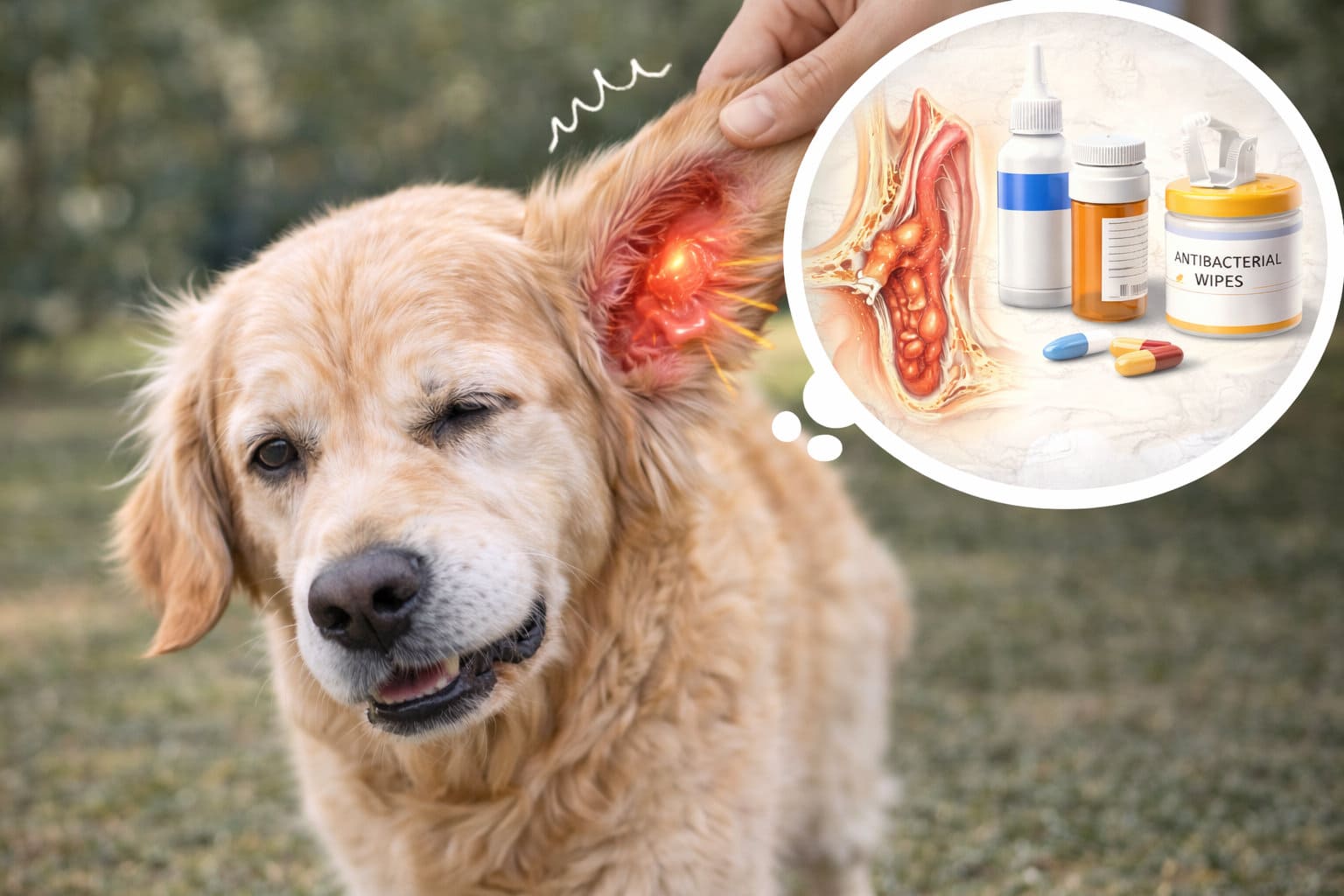
A dog’s ear is far more complex than it appears from the outside. The ear canal is long and L-shaped, which makes it difficult for moisture and debris to escape naturally. This structure creates an ideal environment for bacteria and yeast to grow.
Unlike humans, dogs have deeper ear canals that trap heat and humidity. Once inflammation begins, airflow decreases even further, accelerating infection.
This anatomy explains why ear infections often require veterinary treatment rather than home remedies. Cleaning only the visible part of the ear rarely addresses the real problem deeper inside.
Understanding ear anatomy helps owners recognize why early intervention is so important.
Common Causes of Ear Infections in Dogs
Ear infections do not happen randomly. In most cases, there is an underlying trigger that allows bacteria or yeast to multiply. Allergies are one of the leading causes, especially food and environmental allergies.
Moisture from swimming or bathing can also create ideal conditions for infection. Dogs that swim frequently are at higher risk if ears are not dried properly.
Other causes include ear mites, foreign objects such as grass seeds, hormonal disorders, and excessive ear wax production. Identifying the root cause is critical to preventing recurrence.
Treating the infection without addressing the cause often leads to repeat episodes.
Unnumbered list:
- Allergies and chronic inflammation
- Moisture trapped in the ear canal
- Ear mites or foreign objects
Recognizing Early Symptoms of Dog Ear Infections
Early symptoms of ear infections are often subtle. Dogs may shake their head occasionally or scratch one ear more than usual. These signs are easy to overlook at first.
As the infection progresses, symptoms become more noticeable. Redness, swelling, and discharge may appear, often accompanied by an unpleasant odor.
Some dogs become irritable or withdrawn due to ongoing discomfort. Changes in behavior are often an early warning sign that something is wrong.
Prompt recognition of symptoms allows for faster treatment and less discomfort.
Advanced Symptoms That Require Immediate Attention
When ear infections are left untreated, symptoms can escalate rapidly. Severe pain may cause dogs to cry out when touched or resist handling entirely.
Thick discharge, bleeding, or head tilting may indicate deeper infection affecting balance. These signs suggest the infection may have spread beyond the outer ear.
Chronic infections can lead to permanent damage, including hearing loss. At this stage, treatment becomes more complex and recovery takes longer.
“Advanced ear infections are painful and should never be delayed.”
Why Home Remedies Often Make Things Worse
Many dog owners attempt home remedies before seeking veterinary care. While well-intentioned, these approaches often worsen inflammation or mask symptoms temporarily.
Using inappropriate cleaning solutions or inserting objects into the ear canal can cause trauma. Over-cleaning can strip protective barriers and promote further infection.
Ear infections require targeted treatment based on the specific organism involved. Guesswork can delay proper care and increase treatment cost in the long run.
Veterinary guidance ensures safe and effective treatment from the start.
Numbered list:
- Avoid using human ear products
- Do not insert cotton swabs into the ear
- Seek veterinary diagnosis before treatment
Diagnostic Process for Dog Ear Infections
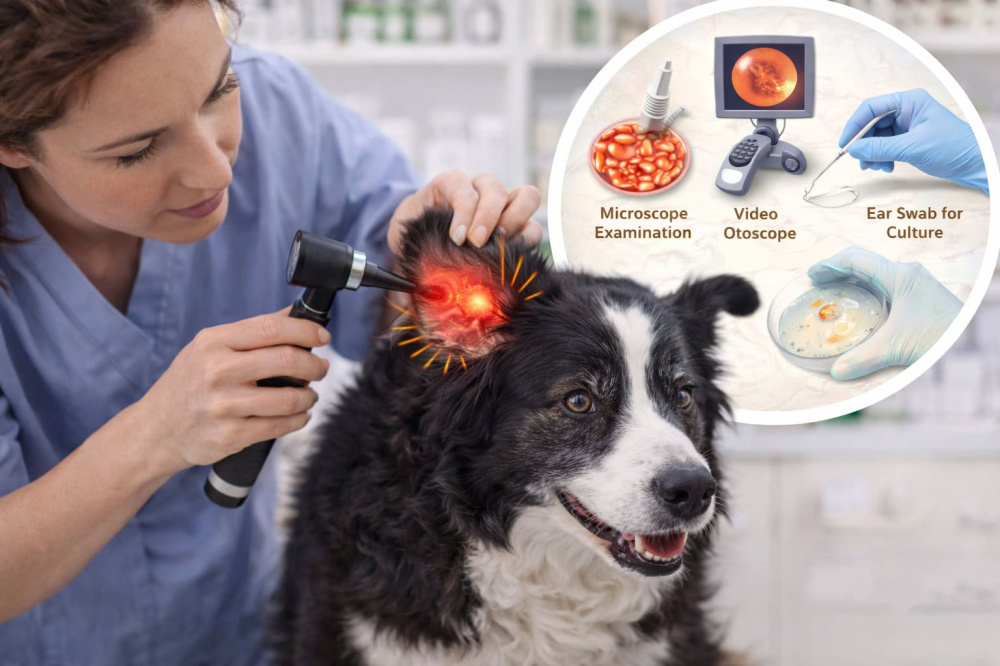
Veterinary diagnosis begins with a thorough ear examination using specialized instruments. This allows the veterinarian to assess inflammation, debris, and the condition of the ear canal.
Samples may be taken to identify bacteria, yeast, or parasites. This step is crucial for selecting the correct medication and avoiding ineffective treatment.
In chronic cases, additional testing may be necessary to identify underlying allergies or hormonal conditions. Accurate diagnosis reduces recurrence and improves outcomes.
Queens veterinary clinics emphasize precise diagnostics to avoid repeated infections.
Treatment Options Based on Infection Type
Treatment depends on the cause and severity of the infection. Bacterial infections often require medicated ear drops, while yeast infections need antifungal therapy.
Severe inflammation may require oral medication to reduce swelling and pain. In some cases, sedation is needed to allow proper cleaning and examination.
Treatment duration varies. Stopping medication early can allow the infection to return stronger than before.
Following the full treatment plan is essential for complete recovery.
Managing Chronic and Recurrent Ear Infections
Some dogs are prone to chronic ear infections due to allergies or anatomical factors. These cases require long-term management rather than one-time treatment.
Regular monitoring, dietary adjustments, and preventive ear care play a critical role. Allergy management often reduces the frequency of infections significantly.
Veterinarians may recommend customized care plans for dogs with recurrent issues. This approach improves comfort and reduces long-term costs.
“Chronic ear infections are manageable with the right strategy.”
Unnumbered list:
- Ongoing allergy control
- Regular veterinary ear checks
- Customized preventive care plans
Preventing Future Ear Infections
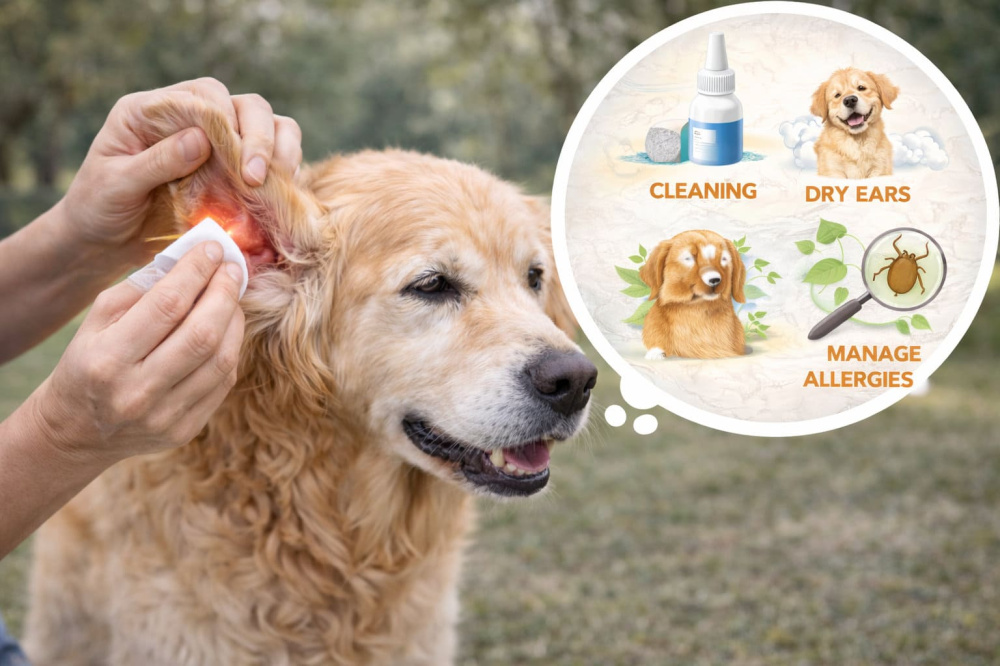
Prevention starts with routine ear checks at home. Early detection of redness or odor allows for faster intervention.
Keeping ears dry after swimming or bathing is essential. Using veterinarian-approved drying solutions can reduce moisture buildup.
Avoid unnecessary cleaning. Over-cleaning can disrupt the ear’s natural defenses and increase infection risk.
Preventive care is always less expensive and less stressful than treatment.
When to Schedule a Veterinary Appointment
Any signs of ear discomfort should prompt a veterinary visit. Even mild symptoms can indicate early infection that benefits from prompt care.
Dogs with recurring ear problems should be evaluated regularly. Waiting until symptoms are severe often leads to longer recovery times.
Pet owners are encouraged to schedule an appointment early rather than attempting home treatment. Pricing varies depending on diagnostics and treatment needs, which is why individualized care is important.
Professional evaluation ensures accurate diagnosis and effective treatment.
Long-Term Outlook and Quality of Life
With proper treatment, most dogs recover fully from ear infections. Early care prevents complications and preserves hearing and comfort.
Dogs with chronic conditions can still enjoy a high quality of life with appropriate management. Consistency and veterinary guidance are key.
Ignoring ear infections can lead to permanent damage and ongoing pain. Responsible care protects your dog’s long-term wellbeing.
Your dog’s comfort, hearing, and overall health depend on timely veterinary attention and informed decisions.