


Emergency Vet Cost in NYC
- Average Emergency Vet Visit Cost in Queens and NYC
- Why Emergency Vet Visits Cost More Than Regular Appointments
- Common Reasons Pets Need Emergency Veterinary Care
- Typical Emergency Exam Fees in NYC
- Cost of Emergency Diagnostic Tests
- Emergency Surgery Costs for Dogs and Cats
- Overnight Hospitalization and Monitoring Costs
- How Emergency Vet Costs Differ Between Dogs and Cats
- Ways to Prepare for Emergency Vet Expenses
- Signs That Your Pet Needs Emergency Care Right Away
- Finding the Right Emergency Vet in Queens NYC
- Final Thoughts on Emergency Vet Cost in NYC
Average Emergency Vet Visit Cost in Queens and NYC
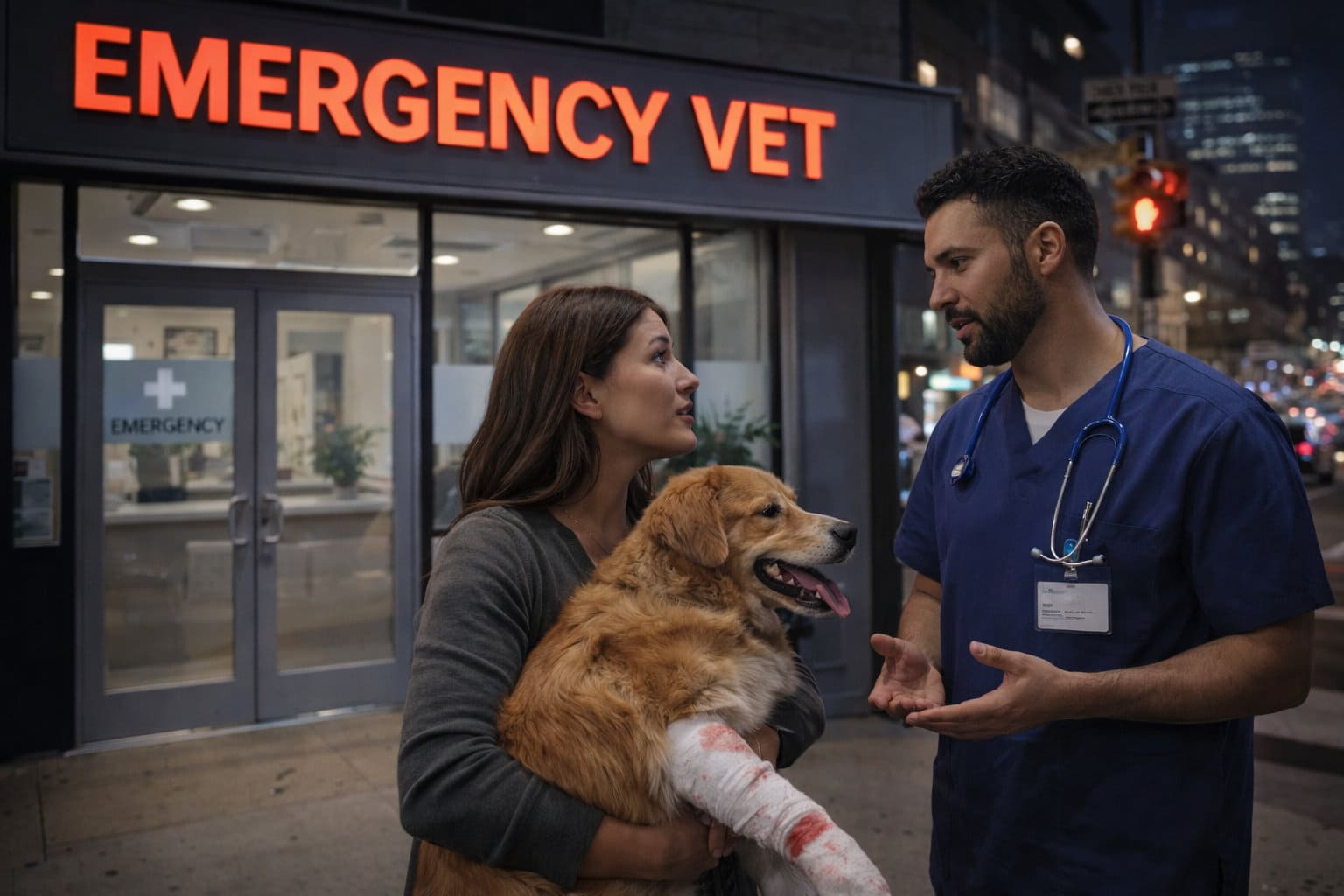
Emergency veterinary care in New York City can be lifesaving, but many pet owners are often unprepared for the cost. When a dog or cat suddenly becomes sick, injured, or shows signs of a serious medical problem, there is rarely time to compare prices or search for the most affordable option. In these situations, understanding what affects emergency vet costs in NYC can help pet owners make faster and more informed decisions.
Emergency animal hospitals in New York City, including Queens, Brooklyn, Manhattan, and the Bronx, are equipped to handle urgent cases such as poisoning, seizures, broken bones, difficulty breathing, severe vomiting, urinary blockages, and traumatic injuries. These clinics are usually open late at night, on weekends, and during holidays when standard veterinary offices are closed.
Because emergency clinics operate outside of regular business hours and require specialized equipment, trained staff, and immediate access to diagnostics, the cost is usually much higher than a standard vet appointment. Searches for “emergency vet cost NYC,” “24 hour animal hospital Queens,” “urgent pet care near me,” and “how much is an emergency vet visit” are extremely common among worried pet owners.
While emergency veterinary care can be expensive, delaying treatment often leads to even higher costs and more serious health risks for your pet. Knowing what services may be involved and what factors influence pricing can help you prepare financially and act quickly when your pet needs urgent help.
Why Emergency Vet Visits Cost More Than Regular Appointments
A routine veterinary appointment is usually scheduled in advance and focuses on preventive care, vaccinations, wellness exams, or mild health concerns. Emergency appointments are very different because they require immediate attention and often involve critical or unstable patients.
Emergency animal hospitals typically have veterinarians, technicians, assistants, and support staff available around the clock. These clinics also maintain advanced equipment such as X-ray machines, ultrasound units, oxygen cages, laboratory analyzers, and surgical suites so they can diagnose and treat urgent cases at any time.
Unlike a normal checkup, emergency visits often require fast testing and treatment within minutes of arrival. This can include blood work, imaging, IV fluids, pain medication, emergency surgery, hospitalization, and overnight monitoring.
“The faster a pet receives treatment during an emergency, the greater the chance of avoiding severe complications and higher medical costs.”
Because emergency hospitals operate 24 hours a day and need to be ready for serious cases at any moment, they often charge a higher exam fee than standard veterinary clinics. The emergency exam fee is only the starting point, and the total cost depends on the specific treatment your pet needs.
Common Reasons Pets Need Emergency Veterinary Care
Many pet owners are unsure when a situation is serious enough to justify an emergency vet visit. Some conditions may seem minor at first but can quickly become dangerous if left untreated.
Dogs and cats often need emergency veterinary care for:
- Difficulty breathing
- Vomiting or diarrhea that does not stop
- Seizures
- Poisoning
- Hit by car injuries
- Broken bones
- Sudden collapse
- Trouble urinating
- Allergic reactions
- Severe wounds or bleeding
- Swallowing a foreign object
- Heatstroke
Cats commonly experience emergencies such as urinary blockages, breathing difficulties, and sudden weakness. Dogs are more likely to arrive at emergency clinics because of trauma, toxin exposure, stomach problems, or injuries from accidents.
Some pet owners try to wait until morning or until their regular veterinarian opens, but this can be dangerous. A urinary blockage in a cat, for example, can become fatal within a short period of time if not treated immediately.
Searches for “emergency vet near me,” “same day vet Queens,” and “24 hour emergency animal hospital NYC” often happen because owners notice symptoms suddenly worsening late at night or during weekends.
Typical Emergency Exam Fees in NYC
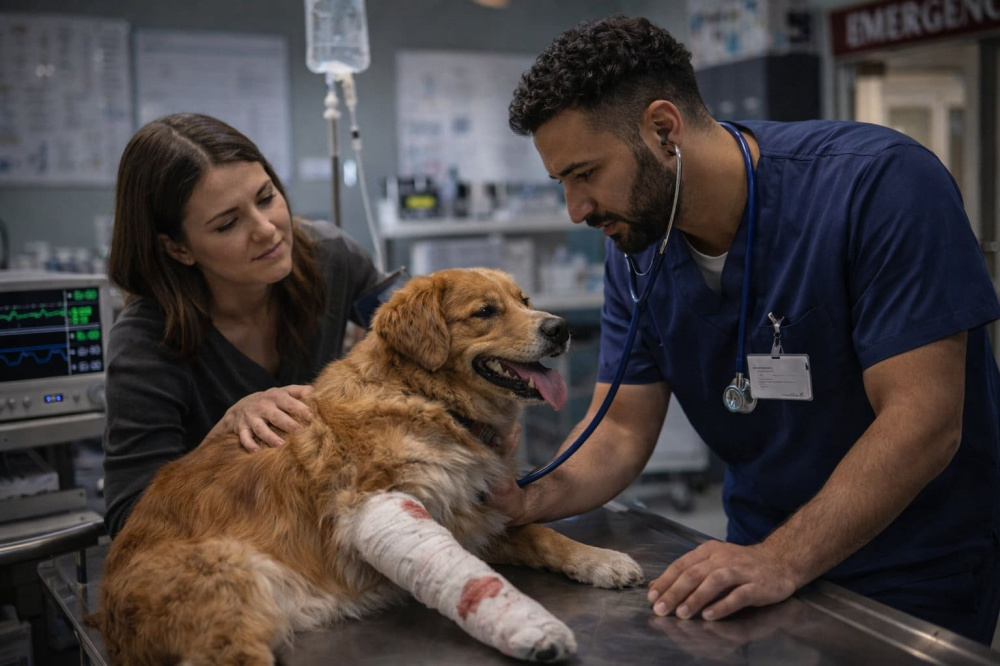
Emergency vet visits usually begin with a consultation or emergency exam fee. This fee covers the veterinarian’s immediate assessment of your pet’s condition and helps determine whether additional treatment is needed.
The exam fee at an emergency veterinary hospital is generally higher than a routine exam fee because it reflects the urgency of the visit and the need for immediate care. Costs can also vary depending on the time of day, with overnight visits and holiday visits sometimes costing more.
The emergency exam itself may include:
- Physical examination
- Checking heart rate and breathing
- Pain assessment
- Temperature check
- Review of symptoms
- Immediate triage
- Basic stabilization if needed
After the exam, the veterinarian may recommend diagnostic tests or treatment. Pet owners are often given an estimate before moving forward with additional services. The final cost depends on what is discovered during the examination.
For example, a dog with vomiting may only need medication and fluids, while another dog with the same symptoms could require X-rays, blood work, hospitalization, and surgery for an intestinal blockage.
Cost of Emergency Diagnostic Tests
Diagnostic testing is one of the biggest reasons emergency vet costs can increase quickly. When a pet arrives with severe symptoms, the veterinarian often needs immediate information about what is happening inside the body.
Blood tests can help identify infections, dehydration, anemia, kidney disease, liver disease, diabetes, and internal bleeding. X-rays can reveal broken bones, swallowed objects, pneumonia, or intestinal blockages. Ultrasound may be used to evaluate the bladder, heart, liver, spleen, or pregnancy complications.
Common emergency diagnostic services include:
- Blood work
- Urinalysis
- Fecal testing
- X-rays
- Ultrasound
- Blood pressure monitoring
- ECG testing
- Oxygen monitoring
Some pets may need multiple tests before the veterinarian can determine the exact cause of the problem. A pet with trouble breathing, for example, may require chest X-rays, blood tests, oxygen support, and heart monitoring all within the first hour of arrival.
“Diagnostic testing is often the fastest way to determine whether a pet’s condition is life-threatening.”
Although these tests can increase the total cost of the visit, they are often necessary for creating an accurate treatment plan and avoiding delays in care.
Emergency Surgery Costs for Dogs and Cats
Emergency surgery is usually one of the most expensive parts of veterinary care. Surgery may be required if a pet has swallowed a foreign object, has internal bleeding, develops a urinary blockage, experiences a severe wound, or suffers trauma from an accident.
Emergency surgery often includes anesthesia, IV fluids, surgical monitoring, pain medication, blood tests, and hospitalization. Depending on the condition, pets may need to stay overnight or even several days for observation and recovery.
Common emergency surgeries include:
- Foreign body removal
- C-section for dogs or cats
- Fracture repair
- Wound repair
- Bladder surgery
- Tumor removal
- Gastric torsion surgery
- Internal bleeding repair
A dog that swallows a toy, sock, or bone may need immediate surgery if the object becomes lodged in the intestines. Cats with urinary blockages may need catheterization and intensive care to stabilize them before surgery becomes necessary.
Because surgery is complex and time-sensitive, the final cost can vary significantly depending on the severity of the condition, the size of the pet, and the length of hospitalization.
Overnight Hospitalization and Monitoring Costs
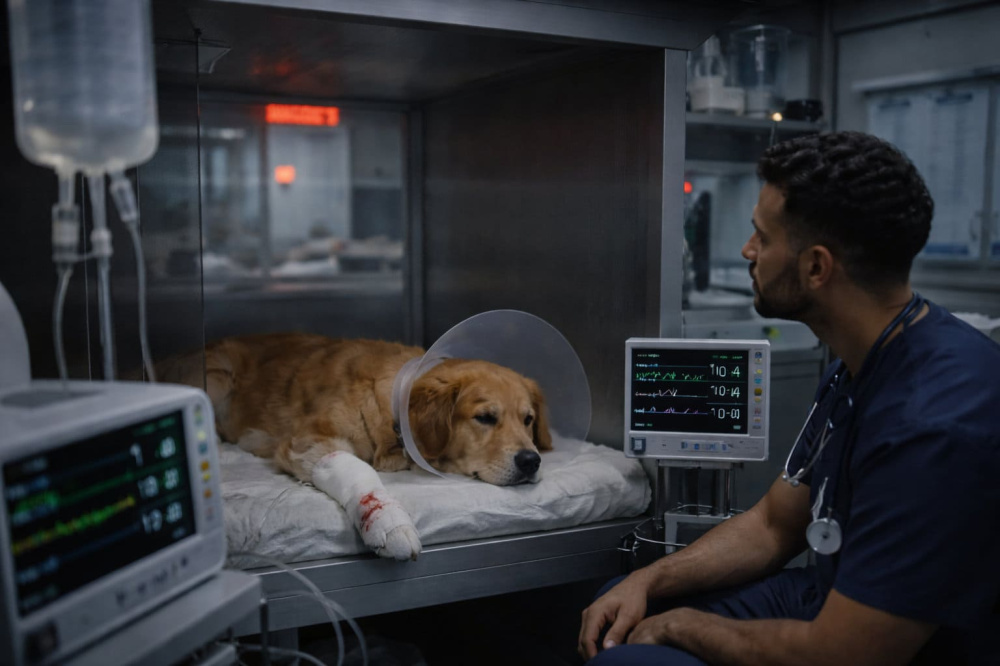
Some emergency cases cannot be treated in a single visit. Pets that are critically ill or recovering from surgery may need to stay at the animal hospital overnight for monitoring, IV fluids, medication, and supportive care.
Hospitalization can include:
- Oxygen therapy
- IV fluids
- Pain medication
- Blood pressure checks
- Repeat blood work
- Feeding support
- Catheter care
- Continuous monitoring
A pet that has been poisoned, hit by a car, or suffered a seizure may need several hours or even days of hospitalization. In severe cases, the veterinarian may recommend intensive care monitoring.
Pet owners are often surprised by hospitalization costs because they involve ongoing staff attention and repeated treatments throughout the day and night. However, overnight monitoring is sometimes the only way to stabilize a pet and ensure they recover safely.
Searches for “pet ICU NYC,” “overnight vet care Queens,” and “emergency hospitalization for dogs” are common among owners dealing with severe health problems.
How Emergency Vet Costs Differ Between Dogs and Cats
Emergency care costs can vary depending on whether you have a dog or cat. Larger dogs often require more medication, larger doses of anesthesia, bigger equipment, and more staff assistance, which can increase treatment costs.
Cats, however, may develop certain emergency conditions that require highly specialized care. Urinary blockages, toxic plant exposure, severe dehydration, and respiratory distress are common emergencies in cats and can become serious very quickly.
Dogs are more likely to arrive at emergency clinics because of:
- Trauma
- Foreign body ingestion
- Heatstroke
- Stomach issues
- Injuries from fights
- Poisoning
Cats more often require emergency care for:
- Urinary blockage
- Breathing problems
- Kidney disease
- Severe lethargy
- Toxin exposure
- Trauma from falls
- Loss of appetite
- Sudden collapse
Even though some cat treatments may initially appear less expensive because cats are smaller, specialized procedures can still make emergency care costly.
Ways to Prepare for Emergency Vet Expenses
Emergency veterinary costs are difficult to predict because emergencies happen unexpectedly. However, there are ways to reduce financial stress and be better prepared if your pet suddenly needs urgent care.
Many pet owners choose to invest in pet insurance because it can help cover accidents, surgeries, hospitalization, and emergency treatment. Others set aside an emergency savings fund specifically for veterinary care.
Some ways to prepare for emergency costs include:
- Purchasing pet insurance
- Creating a pet emergency fund
- Asking about payment plans
- Learning where the nearest emergency vet is located
- Keeping copies of medical records
- Staying current on preventive care
- Using flea, tick, and heartworm prevention
Preventive care can also help reduce emergency costs over time. Keeping your pet up to date on vaccinations, annual exams, dental cleanings, parasite prevention, and wellness blood work can help detect problems earlier before they become serious emergencies.
“Preventive care is often much less expensive than emergency treatment.”
Pet owners who search for “affordable emergency vet NYC” and “payment plans for vet bills” are often trying to balance the need for immediate care with financial concerns.
Signs That Your Pet Needs Emergency Care Right Away
It can be difficult to know whether your pet needs immediate care or whether the problem can wait until a regular veterinary appointment. In general, you should never wait if your pet is having trouble breathing, is bleeding heavily, collapses, or appears to be in severe pain.
Call an emergency vet immediately if your pet has:
- Difficulty breathing
- Repeated vomiting
- Severe diarrhea
- Trouble urinating
- Sudden collapse
- Seizures
- Severe bleeding
- Swollen abdomen
- Extreme weakness
- Poison exposure
Cats are especially good at hiding pain, so even small behavior changes may signal a serious problem. A cat hiding more than usual, refusing food, or struggling in the litter box may need urgent medical care.
Dogs may show signs such as whining, pacing, bloating, coughing, or sudden lethargy. Trust your instincts if something seems wrong. Acting quickly can save your pet’s life and may reduce the overall cost of treatment.
Finding the Right Emergency Vet in Queens NYC
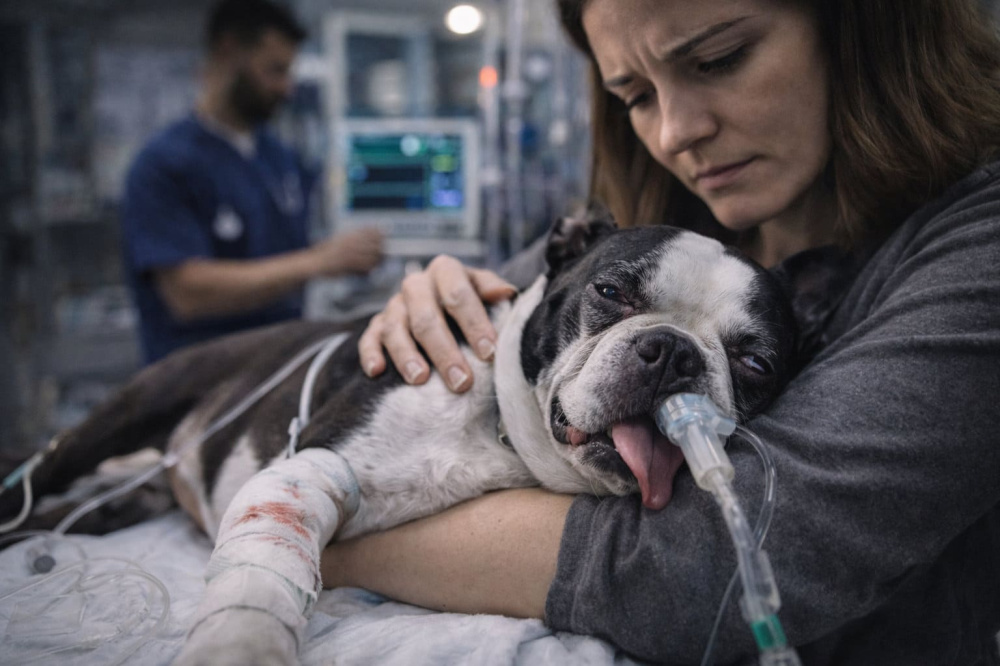
Choosing the right emergency veterinarian is important because emergencies are stressful and time-sensitive. Pet owners should look for an emergency clinic that offers experienced veterinarians, advanced diagnostics, surgery, hospitalization, and compassionate care.
Before an emergency happens, it is a good idea to know where the nearest emergency veterinary clinic is located and what services they provide. You should also ask about whether the clinic handles surgery, overnight monitoring, ultrasound, blood work, and specialist referrals.
When choosing an emergency animal hospital, consider:
- Location
- Hours of operation
- Services available
- Payment options
- Experience with your type of pet
- Ability to provide surgery
- Availability of overnight care
Many pet owners in Queens search for “emergency vet Queens NY,” “24 hour animal hospital near me,” and “urgent care for dogs and cats” because they want fast access to trusted veterinary care during stressful situations.
Final Thoughts on Emergency Vet Cost in NYC
Emergency veterinary care in NYC can be expensive, but it is often necessary when a pet is seriously ill or injured. Costs vary depending on the type of emergency, the tests required, whether surgery is needed, and how long the pet must stay in the hospital.
While emergency visits are rarely planned, being prepared can make a major difference. Pet insurance, wellness care, preventive treatment, and knowing where to go in an emergency can all help reduce stress and financial pressure.
If your dog or cat is showing signs of illness, injury, or unusual behavior, it is important not to wait too long. Contacting an emergency veterinarian in Queens or NYC quickly can improve your pet’s chances of recovery and help prevent more serious complications.