


Foods That Are Toxic to Cats – Dangerous Ingredients Every Cat Owner in Queens NY Should Avoid
- Why Cats React Differently to Human Foods
- Onions, Garlic and All Allium Vegetables
- Chocolate and Caffeine
- Alcohol and Raw Dough
- Grapes and Raisins
- Xylitol and Artificial Sweeteners
- Fatty Foods and Dairy Products
- Raw Meat and Raw Fish
- Avocado and Certain Fruits
- Caffeine and Energy Drinks
- What To Do If Your Cat Eats Something Toxic
- Preventing Food Related Emergencies in Cats
Why Cats React Differently to Human Foods
Cats are obligate carnivores, which means their bodies are designed to process animal-based protein efficiently. Their metabolism differs significantly from both humans and dogs. Because of this, certain foods that seem harmless in a Queens household can cause serious toxicity, organ failure, or neurological damage in cats.
Unlike dogs, cats are often more selective eaters. However, urban apartment living in Queens, NY increases exposure risks — countertops, houseplants, unattended plates, and open trash bins all create opportunities for accidental ingestion.
Feline livers also process toxins differently. Some compounds that are moderately harmful to dogs can be far more dangerous to cats. Even small amounts of certain foods may trigger severe reactions.
“Cats have unique metabolic pathways, which makes them more vulnerable to specific toxins found in everyday foods.”
Understanding what foods are toxic to cats is essential to preventing emergency veterinary visits and protecting long-term health.
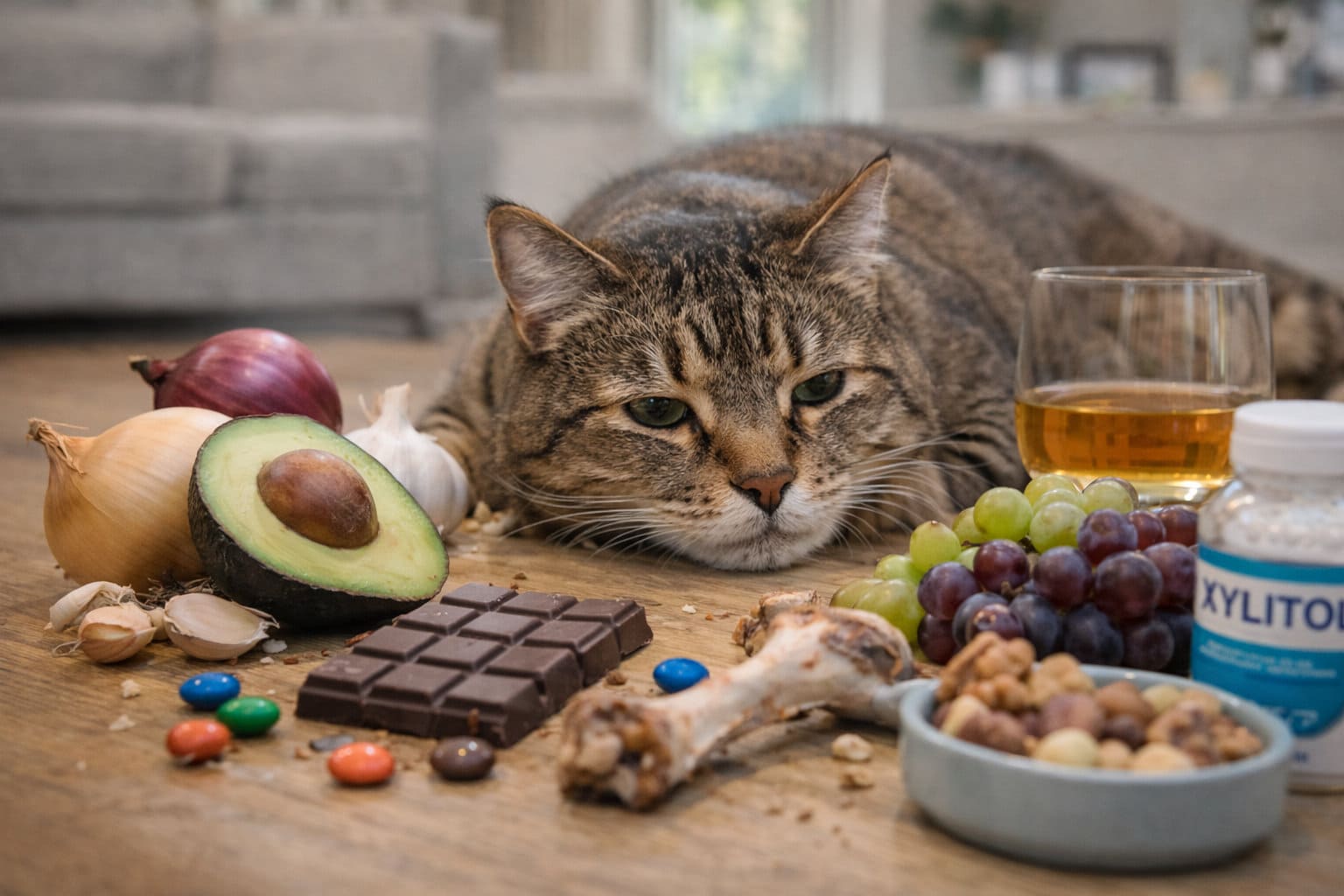
Onions, Garlic and All Allium Vegetables
Onions, garlic, leeks, chives, and shallots contain compounds that damage red blood cells in cats. Cats are particularly sensitive to these substances, and even small amounts can lead to hemolytic anemia.
All forms are dangerous — raw, cooked, powdered, or dehydrated. Many processed foods, baby food, soups, and sauces contain onion or garlic powder, which increases accidental exposure risk.
Symptoms may develop gradually and include:
- Weakness
- Pale gums
- Lethargy
- Rapid breathing
- Dark urine
Anemia may not be immediately obvious. Blood testing at a veterinary clinic in Queens is often required to confirm diagnosis.
Avoid offering table scraps or seasoned foods to cats under any circumstances.
Chocolate and Caffeine
Although cats are less likely than dogs to seek out chocolate, accidental ingestion can still occur. Chocolate contains theobromine and caffeine, both of which stimulate the nervous system and heart.
Dark chocolate and baking chocolate are particularly concentrated and dangerous.
Signs of chocolate toxicity include:
- Vomiting
- Increased heart rate
- Restlessness
- Tremors
- Seizures
Cats are smaller than most dogs, so even small amounts may cause significant symptoms. Emergency treatment may involve IV fluids, cardiac monitoring, and supportive care.
Immediate veterinary evaluation improves survival rates.
Alcohol and Raw Dough
Alcohol is highly toxic to cats. Even small amounts can cause central nervous system depression, breathing difficulty, low blood pressure, and hypothermia.
Cats may ingest alcohol from unattended drinks or fermented foods. Raw yeast dough presents an additional danger. As dough rises in the stomach, it expands and produces alcohol as a byproduct.
Emergency signs include:
- Disorientation
- Vomiting
- Abdominal swelling
- Difficulty breathing
Raw dough ingestion can become a surgical emergency due to gastric expansion.
“Alcohol toxicity progresses rapidly and requires immediate veterinary care.”
Never assume a small amount is harmless.
Grapes and Raisins
Grapes and raisins are well-documented causes of kidney failure in dogs. In cats, documented cases are less common but still concerning. Because the exact toxic compound remains unknown, ingestion should always be treated as potentially dangerous.
Symptoms of kidney injury may include:
- Vomiting
- Lethargy
- Increased thirst
- Decreased urination
Kidney damage may not appear immediately. Blood tests are necessary to evaluate kidney function after suspected ingestion.
In Queens apartments where fruit bowls are often accessible, prevention is essential.
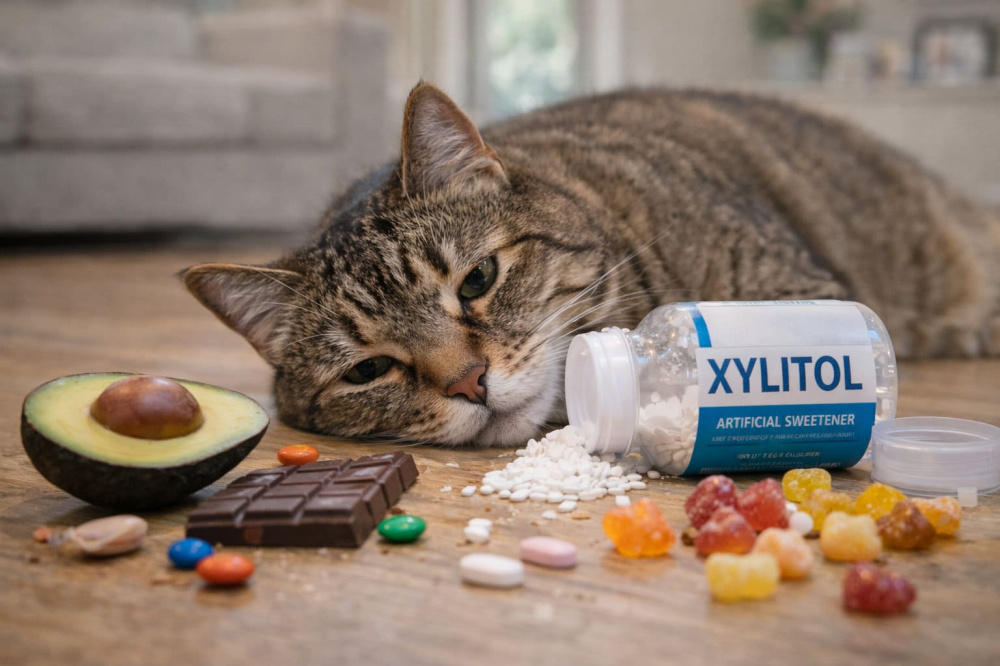
Xylitol and Artificial Sweeteners
Xylitol is less commonly reported in cats compared to dogs, but ingestion still poses risk. It is found in sugar-free gum, candy, peanut butter, and baked goods.
Because xylitol causes a rapid insulin spike in dogs, it leads to hypoglycemia. Cats may not respond identically, but ingestion is still considered unsafe.
Symptoms may include:
- Vomiting
- Weakness
- Tremors
- Seizures
Artificial sweeteners should never be accessible to pets. Secure storage is critical.
When in doubt, consult a veterinary clinic immediately.
Fatty Foods and Dairy Products
While dairy is often associated with cats in popular culture, many adult cats are lactose intolerant. Milk, cheese, and cream can cause gastrointestinal upset including diarrhea and abdominal discomfort.
High-fat foods also increase risk of pancreatitis, a painful inflammatory condition.
Warning signs include:
- Vomiting
- Abdominal pain
- Loss of appetite
- Lethargy
Even small quantities of fatty leftovers can trigger digestive distress.
Limiting human food entirely is the safest dietary strategy.
Raw Meat and Raw Fish
Raw meat and fish may contain bacteria such as Salmonella or E. coli. While some owners intentionally feed raw diets, improper handling increases contamination risk.
Raw fish also contains thiaminase, an enzyme that destroys vitamin B1. Thiamine deficiency can lead to neurological symptoms.
Symptoms of bacterial or thiamine-related toxicity may include:
- Vomiting
- Diarrhea
- Loss of coordination
- Seizures
Balanced, veterinarian-approved diets reduce these risks significantly.
Discuss any dietary changes with your Queens veterinarian before implementing them.
Avocado and Certain Fruits
Avocado contains persin, which can cause gastrointestinal upset in cats. While toxicity levels vary, ingestion of skin or pit increases choking and obstruction risk.
Fruit pits from cherries, peaches, and plums contain compounds that release cyanide when metabolized.
Signs of fruit-related toxicity may include:
- Drooling
- Vomiting
- Abdominal pain
- Difficulty breathing
Prompt veterinary evaluation is recommended if ingestion occurs.
Prevent access by storing fruit securely.
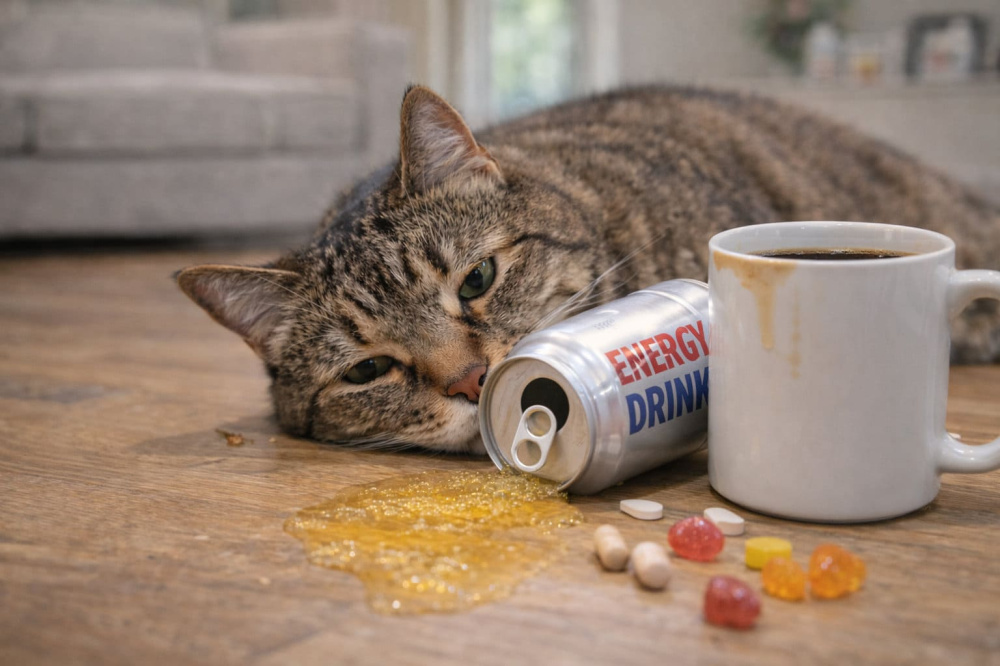
Caffeine and Energy Drinks
Coffee grounds, tea bags, and energy drinks contain caffeine and other stimulants. Even small exposures can overstimulate a cat’s nervous system.
Symptoms may include:
- Rapid heart rate
- Hyperactivity
- Tremors
- Seizures
Caffeine toxicity may require hospitalization and cardiac monitoring.
Keep beverages covered and dispose of coffee grounds safely.
What To Do If Your Cat Eats Something Toxic
If you suspect your cat ingested a toxic food, act immediately. Do not wait for symptoms to appear.
Steps to take include:
- Remove remaining food from reach
- Identify what and how much was consumed
- Contact a veterinary clinic in Queens NY immediately
- Do not induce vomiting unless instructed
Bring packaging or ingredient information if available. Early treatment may involve inducing vomiting, administering activated charcoal, or providing IV fluids.
“Rapid intervention significantly reduces the risk of organ failure.”
Delaying care increases complications and overall treatment complexity.
Preventing Food Related Emergencies in Cats
Prevention is the most effective strategy. Keep food stored securely, avoid feeding table scraps, and educate household members about toxic ingredients.
Simple preventive measures include:
- Securing trash bins
- Avoiding seasoned leftovers
- Supervising pets during meals
- Scheduling regular veterinary checkups
Routine veterinary visits allow discussion of safe nutrition, weight management, and dietary recommendations tailored to your cat’s needs.
If your cat has ingested a potentially toxic food or is showing concerning symptoms, contact our veterinary clinic in Queens NY immediately to schedule an emergency appointment. Prompt evaluation protects kidney and liver function, reduces complications, and ensures your cat receives expert care without delay.