


Heat Stroke in Dogs
- What Heat Stroke in Dogs Really Means
- Why Dogs in Queens NY Are at Higher Risk During Summer
- Common Causes of Heat Stroke in Dogs
- Early Signs and Advanced Symptoms of Heat Stroke
- What To Do Immediately If You Suspect Heat Stroke
- Veterinary Treatment for Heat Stroke in Queens NY
- Long Term Complications After Heat Stroke
- Dogs at Higher Risk for Heat Stroke
- Preventing Heat Stroke During New York Summers
- When to Contact a Veterinarian Immediately
- Why Timely Veterinary Care Saves Lives
What Heat Stroke in Dogs Really Means
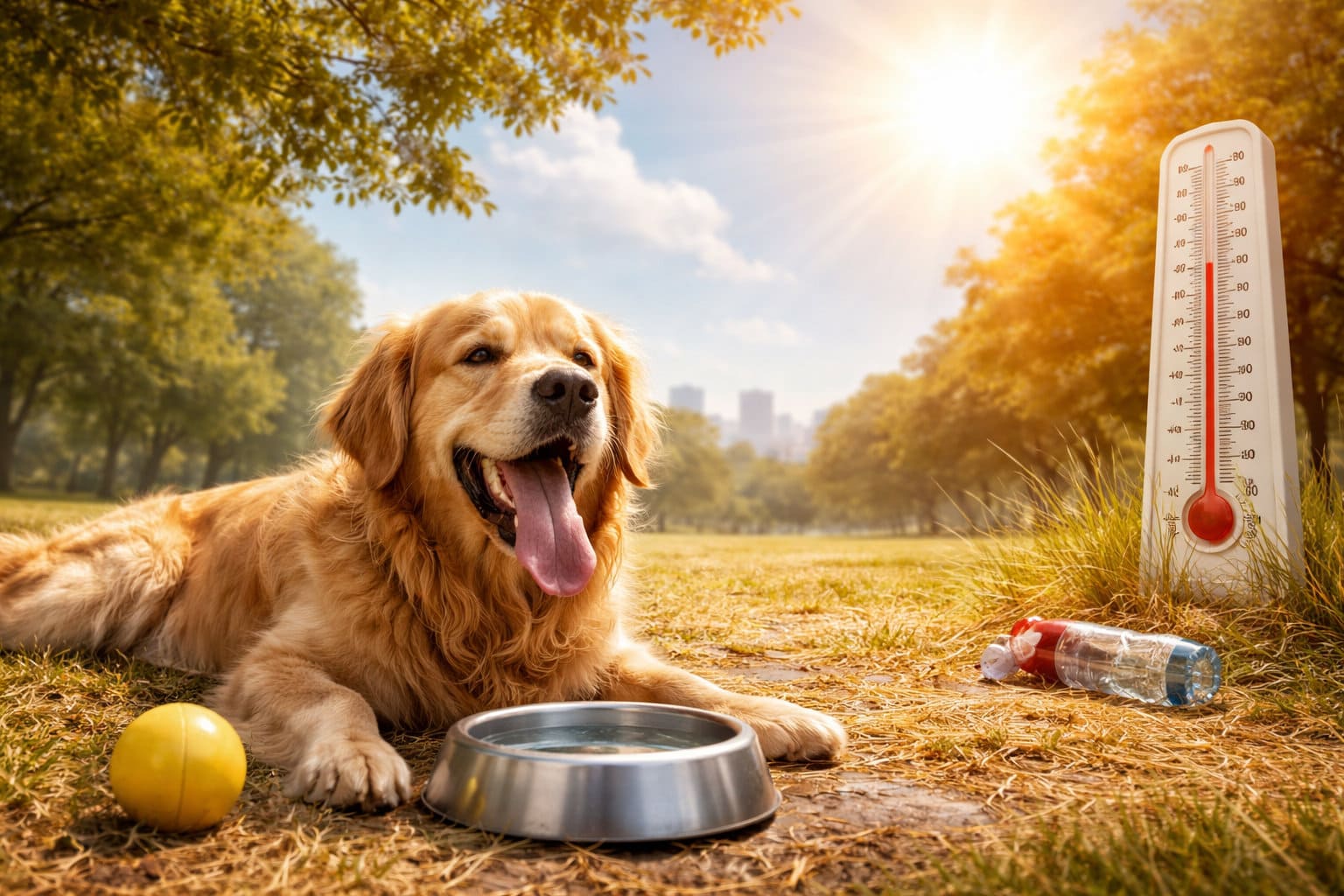
Heat stroke in dogs is a life-threatening medical emergency that occurs when a dog’s body temperature rises above safe levels and the body can no longer regulate heat effectively. Unlike humans, dogs do not sweat through their skin. They rely primarily on panting and limited sweat glands in their paw pads, which makes them especially vulnerable during hot and humid summers in Queens, New York.
When a dog’s internal temperature exceeds 104°F (40°C), the risk of organ damage increases dramatically. If it rises above 106°F (41.1°C), cellular damage begins rapidly, affecting the brain, liver, kidneys, and cardiovascular system. Without urgent veterinary intervention, heat stroke can become fatal within a short period of time.
Many pet owners underestimate how quickly heat stroke develops. It does not require extreme outdoor conditions. A parked car, a poorly ventilated apartment, or intense exercise in humid weather can trigger overheating in minutes.
“Heat stroke is not just overheating — it is a systemic inflammatory crisis that affects every organ in the body.”
In a busy urban environment like Queens, where sidewalks, asphalt, and enclosed spaces intensify heat, recognizing early warning signs can save your dog’s life. Immediate action and timely veterinary care significantly improve survival rates.
Why Dogs in Queens NY Are at Higher Risk During Summer
Summers in New York City are not only hot but also humid. High humidity reduces evaporative cooling from panting, which makes it much harder for dogs to regulate body temperature. In boroughs like Queens, concrete and asphalt surfaces retain heat long after sunset, increasing risk even during evening walks.
Urban heat islands amplify the problem. Surfaces such as rooftops, sidewalks, and parked vehicles can become dangerously hot. A short walk during peak hours may expose a dog to:
- Hot pavement causing paw burns
- Limited shade in residential blocks
- Poor air circulation in small apartments
- Increased body temperature from excitement and activity
Additionally, many dog owners in Queens live in apartment buildings where ventilation may not always be optimal. Without air conditioning, indoor temperatures can climb rapidly.
Certain neighborhoods with limited green space may force longer exposure to heated surfaces. Even short car rides without proper cooling systems can escalate body temperature dangerously.
Understanding environmental risk factors specific to Queens is critical for prevention. Local awareness plays a major role in reducing emergency visits related to heat stroke in dogs.
Common Causes of Heat Stroke in Dogs
Heat stroke is typically classified into two main categories: environmental heat stroke and exertional heat stroke. Both can occur quickly, even in responsible pet households.
Environmental heat stroke often happens when a dog is left in a hot car. Even with windows cracked, temperatures inside a vehicle can rise above 120°F within minutes. Apartments without air conditioning can also create dangerous indoor heat buildup.
Exertional heat stroke occurs during intense physical activity in warm weather. Dogs that love running, playing fetch, or long walks may push themselves beyond safe limits, especially if they are not acclimated to summer heat.
Common triggers include:
- Being left in a parked vehicle
- Excessive exercise during midday heat
- Lack of access to fresh water
- High humidity limiting effective panting
Short-nosed breeds are especially vulnerable. Dogs such as Bulldogs and Pugs have compromised airway anatomy, making it harder to cool themselves efficiently.
Even grooming practices can contribute. Thick fur coats, obesity, or underlying medical conditions increase risk. A veterinary examination can help determine if your dog is at elevated risk before summer begins.
Early Signs and Advanced Symptoms of Heat Stroke
Recognizing the early symptoms of heat stroke in dogs can mean the difference between recovery and tragedy. Initial signs are often subtle but escalate rapidly.
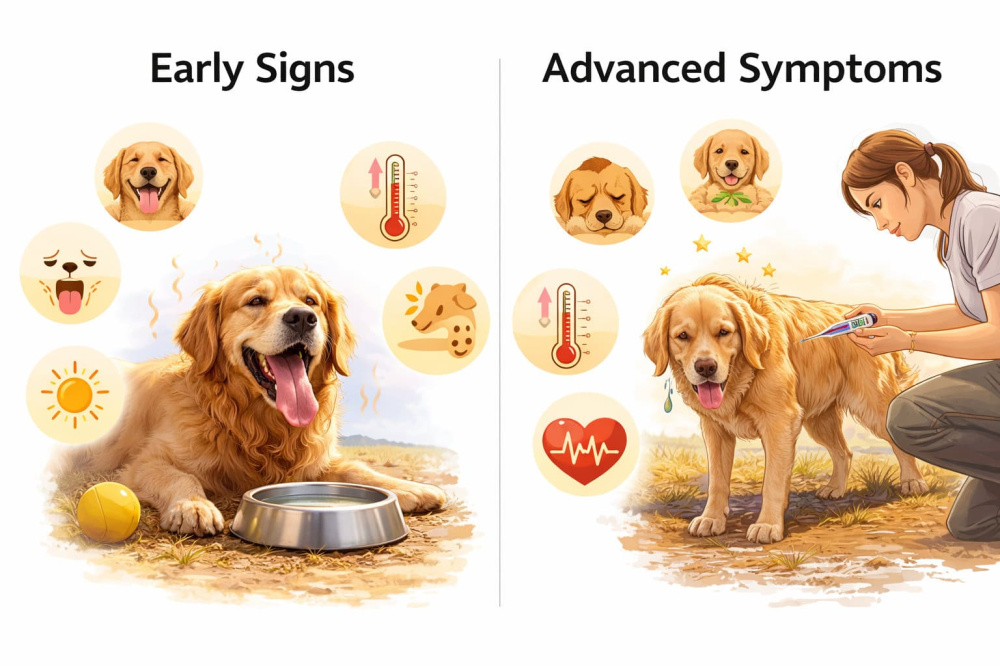
Early symptoms include excessive panting, drooling, restlessness, and bright red gums. Dogs may appear anxious or unusually tired. As body temperature continues to rise, symptoms intensify.
Advanced signs may include:
- Vomiting or diarrhea
- Staggering or loss of coordination
- Rapid heart rate
- Weakness or collapse
- Seizures
As heat stroke progresses, organ failure can begin. Dogs may develop neurological symptoms, including confusion or unconsciousness. At this stage, immediate emergency veterinary care is critical.
If your dog is showing neurological signs, this is no longer simple overheating — it is a life-threatening emergency.
Prompt transport to a veterinary clinic in Queens for emergency treatment significantly improves survival chances.
What To Do Immediately If You Suspect Heat Stroke
If you suspect heat stroke, every minute matters. The first step is to move your dog to a cool, shaded, or air-conditioned area immediately. Avoid panic but act decisively.
You should begin gradual cooling. Do not use ice-cold water, as rapid temperature shifts can cause shock. Instead:
- Use cool (not cold) water to wet the body
- Apply cool towels to the groin, armpits, and neck
- Offer small amounts of water if the dog is conscious
- Use fans to improve airflow
Never force water into an unconscious dog. Do not delay veterinary care while attempting home remedies.
Cooling measures should continue only until you reach a veterinary clinic. Even if your dog appears to improve, internal damage may already have begun. A full medical evaluation is essential.
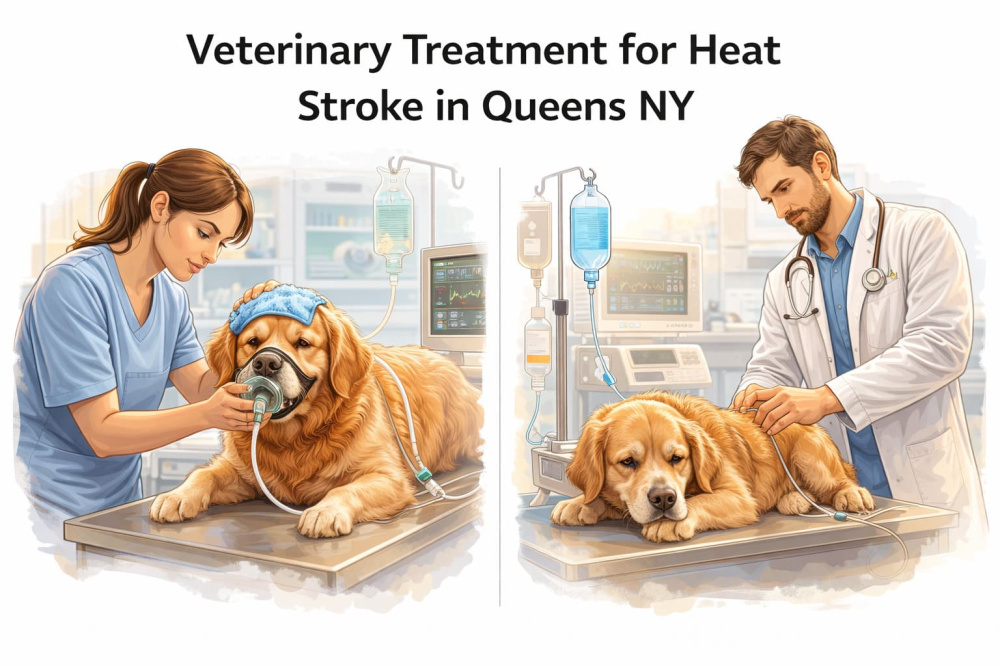
Immediate stabilization at a veterinary hospital includes temperature monitoring, IV fluids, oxygen therapy, and blood testing to assess organ function.
Veterinary Treatment for Heat Stroke in Queens NY
Professional treatment is critical because heat stroke affects multiple organ systems simultaneously. At a veterinary clinic in Queens, the medical team will focus on rapid stabilization and preventing secondary complications.
Initial care includes controlled cooling and intravenous fluid therapy to restore circulation. Blood tests help evaluate liver and kidney function, electrolyte imbalances, and clotting abnormalities.
Treatment may include:
- IV fluids for rehydration and shock management
- Oxygen therapy
- Medications to control inflammation and prevent organ failure
- Gastroprotective medications to reduce intestinal damage
In severe cases, hospitalization for 24–72 hours may be required. Continuous monitoring ensures early detection of complications such as disseminated intravascular coagulation or acute kidney injury.
“The damage from heat stroke can continue hours after the temperature normalizes.”
Early intervention significantly reduces long-term consequences. Delayed care often leads to higher treatment complexity and increased overall cost.
If you are concerned about treatment options, price, or prognosis, you can contact our Queens veterinary clinic for guidance and to schedule an urgent evaluation.
Long Term Complications After Heat Stroke
Even if a dog survives the initial crisis, heat stroke may leave lasting effects. The severity depends on how high the body temperature rose and how quickly treatment was initiated.
Possible complications include kidney damage, liver dysfunction, neurological impairment, and chronic gastrointestinal issues. In some cases, dogs may become more sensitive to heat permanently.
Follow-up visits are critical. Your veterinarian may recommend:
- Repeat blood work
- Urinalysis
- Monitoring for behavioral changes
- Dietary adjustments to support organ recovery
Long-term management sometimes requires specialized care. Monitoring hydration and avoiding future overheating become lifelong priorities.
Owners should remain vigilant for subtle changes in appetite, urination patterns, or activity levels after a heat stroke episode.
Dogs at Higher Risk for Heat Stroke
Some dogs are naturally more vulnerable to overheating. Brachycephalic breeds, such as French Bulldogs, English Bulldogs, and Pugs, face significantly higher risk due to restricted airways.
Other high-risk groups include:
- Overweight dogs
- Senior dogs
- Puppies
- Dogs with heart or respiratory disease
- Thick-coated breeds
Obesity reduces heat dissipation efficiency. Underlying cardiac conditions impair circulation and worsen systemic stress during overheating episodes.
Living in a dense borough like Queens, where outdoor surfaces retain heat, increases exposure risk for these vulnerable groups. Preventive veterinary evaluations before summer can identify individualized risk factors.
Preventing Heat Stroke During New York Summers
Prevention is far more effective than emergency treatment. Simple lifestyle adjustments can significantly reduce risk during hot weather.
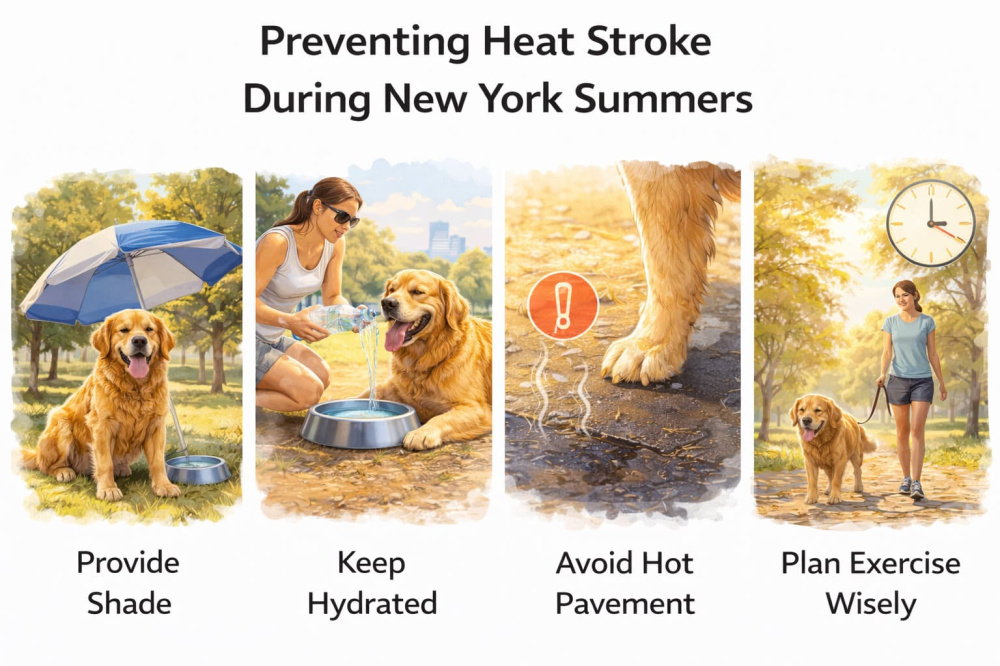
Adopt these preventive measures:
- Walk your dog early in the morning or after sunset
- Always provide unlimited fresh water
- Avoid strenuous activity in high humidity
- Never leave your dog in a parked car
Use cooling mats and ensure adequate indoor ventilation. Test pavement temperature with your hand before walks — if it is too hot for you, it is too hot for your dog.
Consider professional grooming to reduce excessive fur density in summer months, especially for long-haired breeds.
Preventive veterinary care, including annual exams and weight management plans, reduces overall risk. You can schedule a wellness visit to discuss summer safety strategies tailored to your dog’s needs.
When to Contact a Veterinarian Immediately
Some situations require immediate emergency attention without delay. If your dog collapses, has seizures, or becomes unresponsive, transport them to a veterinary clinic in Queens immediately.
Seek urgent care if you notice:
- Persistent vomiting
- Bloody diarrhea
- Disorientation
- Excessive drooling with weakness
- Gum color changes
Even if symptoms appear mild but your dog was exposed to extreme heat, it is safer to seek evaluation. Internal damage is not always visible externally.
If you are unsure whether your dog’s symptoms are serious, contact our clinic to discuss your concerns and arrange an emergency appointment.
Why Timely Veterinary Care Saves Lives
Heat stroke in dogs progresses rapidly and unpredictably. Delayed treatment increases the risk of organ failure and long-term complications. Prompt veterinary intervention dramatically improves outcomes.
Urban living in Queens brings unique environmental challenges that increase heat exposure risks. Education, prevention, and rapid action are key components of responsible pet ownership.
Early recognition of symptoms, immediate cooling, and professional treatment form the foundation of survival. Understanding the warning signs and knowing when to seek help can make the difference between recovery and irreversible damage.