


Signs of Arthritis in Dogs
- Signs of Arthritis in Dogs and How to Recognize Joint Pain
- What Causes Arthritis in Dogs
- Limping and Changes in Walking
- Difficulty Getting Up and Lying Down
- Reduced Activity and Less Interest in Exercise
- Behavioral Changes Caused by Arthritis Pain
- Joint Swelling and Sensitivity
- Weather Changes and Arthritis Symptoms
- Which Dogs Are Most at Risk for Arthritis
- How Veterinarians Diagnose Arthritis in Dogs
- Treatment Options for Dogs With Arthritis
- When to Schedule a Vet Appointment
Signs of Arthritis in Dogs and How to Recognize Joint Pain
Arthritis is one of the most common health problems in dogs, especially as they get older. Many dog owners assume that slowing down, sleeping more, or struggling to stand up is simply part of aging, but these can actually be signs of joint pain and arthritis. Searches for “signs of arthritis in dogs,” “dog limping back legs,” “joint pain in older dogs,” and “arthritis treatment for dogs” are common because pet owners want to understand whether their dog’s symptoms are normal or if veterinary care is needed.
Arthritis in dogs develops when the joints become inflamed and painful. Over time, the cartilage that protects the bones inside the joint begins to wear down, causing stiffness, discomfort, and reduced mobility. While arthritis is most common in senior dogs, younger dogs can also develop joint problems because of injuries, genetics, obesity, or orthopedic conditions such as hip dysplasia.
The earlier arthritis is recognized, the easier it may be to manage. Early treatment can help reduce pain, improve movement, and allow dogs to remain active and comfortable for much longer.
Understanding the warning signs of arthritis in dogs can help owners know when it may be time to schedule a veterinary exam, ask about X-rays, or discuss pain management options.
What Causes Arthritis in Dogs
Arthritis can develop for many reasons. In some dogs, it is related to aging and the gradual wear and tear on the joints over time. In other cases, it may result from injury, obesity, genetics, or previous orthopedic problems.
Some of the most common causes of arthritis in dogs include:
- Aging
- Hip dysplasia
- Elbow dysplasia
- Torn ligaments
- Previous fractures
- Joint injuries
- Obesity
- Poor joint alignment
Large breed dogs such as Labrador Retrievers, German Shepherds, Golden Retrievers, and Rottweilers are often more likely to develop arthritis because they place more weight on their joints. Smaller dogs can also develop arthritis, especially if they have kneecap problems or spinal issues.
Dogs that are overweight are at greater risk because extra body weight places more stress on the joints. Even a small amount of weight gain can make joint pain significantly worse over time.
“Arthritis is not just an old dog problem. Young dogs with injuries or joint disorders can also develop painful arthritis.”
Because arthritis often develops gradually, many pet owners do not notice the early symptoms until the condition becomes more severe.
Limping and Changes in Walking
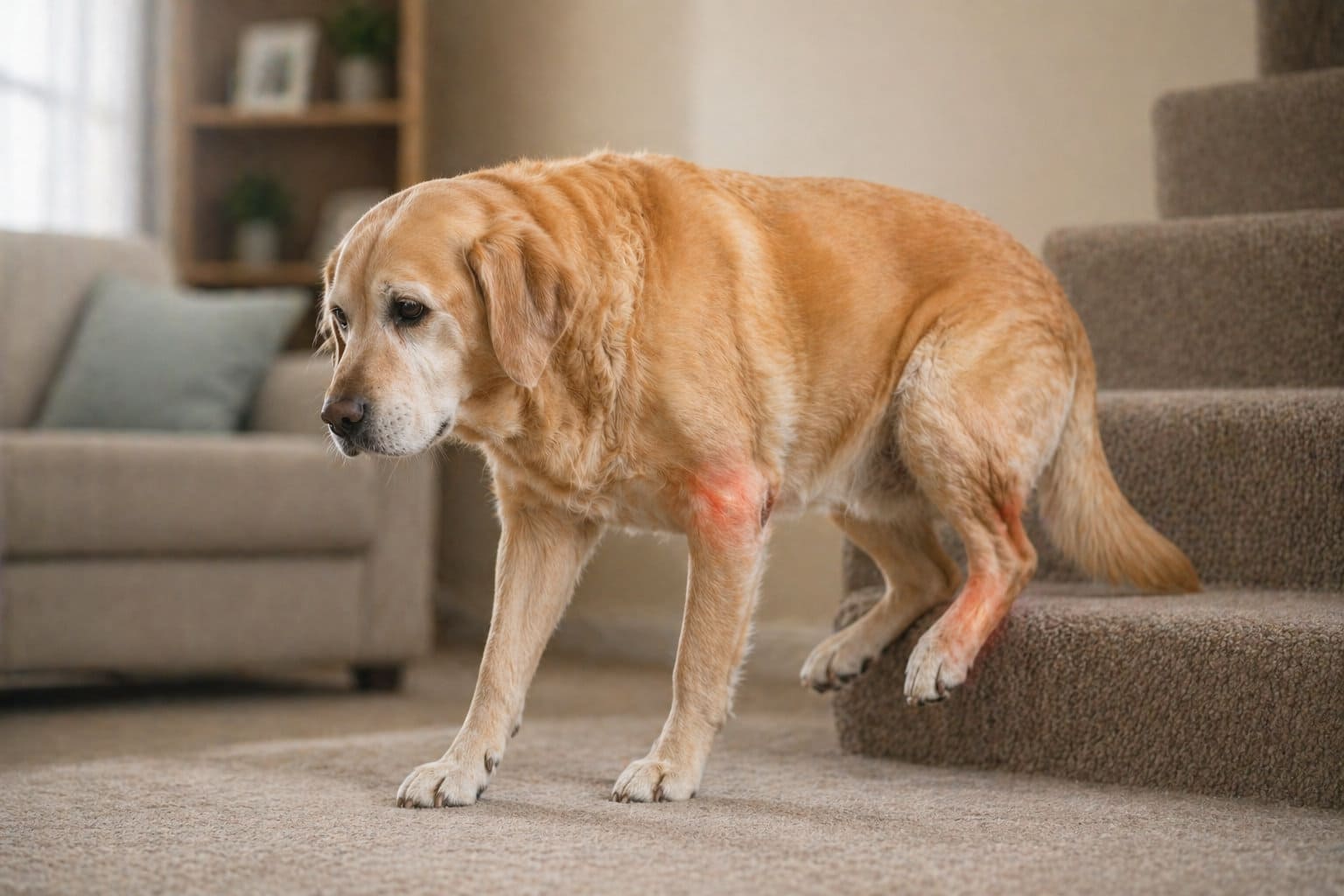
One of the most common signs of arthritis in dogs is limping. A dog with arthritis may limp occasionally after exercise, after waking up, or when climbing stairs. Some dogs may limp only on cold or rainy days, while others may have a constant limp that slowly becomes worse.
Dogs with arthritis often change the way they walk because they are trying to avoid putting weight on a painful joint. This can cause a stiff gait, shorter steps, or difficulty standing up after resting.
Some dogs may show symptoms such as:
- Limping after exercise
- Walking more slowly
- Stiffness after sleeping
- Difficulty standing up
- Reluctance to climb stairs
- Trouble jumping into the car
- Walking with a hunched posture
- Favoring one leg
Back leg limping is especially common in dogs with hip arthritis or knee problems. Front leg limping may occur if arthritis affects the shoulders, elbows, or wrists.
Pet owners often search for “dog limping but not crying,” “stiff dog after resting,” and “older dog struggling to walk” because these symptoms are often the first noticeable signs of arthritis.
Difficulty Getting Up and Lying Down
Dogs with arthritis often struggle when changing positions. Standing up from a lying position may become slower and more difficult because the joints feel stiff and painful after resting.
A dog that once jumped off the couch easily may suddenly pause before getting up or need extra effort to rise. Some dogs may appear shaky or weak in the back legs when standing.
Common signs include:
- Taking longer to stand up
- Hesitating before lying down
- Slipping on smooth floors
- Looking uncomfortable when changing position
- Needing help getting up
- Avoiding certain sleeping areas
These changes are often more noticeable in the morning or after long periods of rest. The joints may loosen up after movement, but stiffness often returns later.
“Difficulty standing up is one of the most common early signs of arthritis in dogs.”
Owners may mistakenly assume their dog is simply getting older, but discomfort while rising can be a strong indication that joint pain is becoming a problem.
Reduced Activity and Less Interest in Exercise
Dogs with arthritis often become less active because movement is uncomfortable. A dog that once loved long walks, running, or playing fetch may start showing less enthusiasm for these activities.
Some dogs begin stopping during walks more often, while others may refuse to walk as far as they once did. They may also seem more tired than usual or spend more time sleeping.
Signs of reduced activity may include:
- Shorter walks
- Less interest in playing
- Sleeping more often
- Avoiding running
- Not wanting to jump
- Reluctance to climb stairs
- Stopping frequently during walks
- Less excitement when going outside
Reduced activity can create a cycle that makes arthritis worse. When dogs move less, they often lose muscle mass and gain weight, which puts even more pressure on the joints.
Owners searching for “dog slowing down,” “why does my dog not want to walk,” and “dog sleeping more than usual” are often seeing early signs of chronic pain.

Behavioral Changes Caused by Arthritis Pain
Pain can affect a dog’s mood and behavior. Dogs with arthritis may become more irritable, withdrawn, or less tolerant of being touched. Some dogs may growl or pull away when a painful area is touched.
Dogs that are usually friendly may suddenly avoid interaction or spend more time alone. Others may become clingier because they are uncomfortable and seeking reassurance.
Behavioral changes linked to arthritis can include:
- Irritability
- Growling when touched
- Avoiding petting
- Hiding more often
- Increased anxiety
- Restlessness
- Sleeping in unusual places
Some dogs become restless at night because they cannot find a comfortable sleeping position. Others may whine, pant, or shift positions frequently because of pain.
“Dogs with arthritis may not always show obvious limping. Sometimes the first sign is a change in mood or behavior.”
Any sudden change in personality should be discussed with a veterinarian because pain is often the underlying cause.
Joint Swelling and Sensitivity
Dogs with arthritis may have joints that appear swollen, enlarged, or warm to the touch. Some owners notice thickening around the knees, elbows, hips, or wrists.
A dog with joint pain may react when a certain area is touched or may pull the leg away. Some dogs may lick or chew at painful joints repeatedly.
Common physical signs include:
- Swollen joints
- Warm joints
- Sensitivity when touched
- Muscle loss around the legs
- Enlarged knees or elbows
- Licking painful areas
- Difficulty bending the joint
- Crackling sounds when moving
Over time, muscle loss may develop because the dog uses the painful leg less often. This can make the affected limb look thinner than the others.
Joint swelling should always be evaluated because it can sometimes be caused by infection, ligament injury, cancer, or other serious conditions in addition to arthritis.
Weather Changes and Arthritis Symptoms
Many dogs with arthritis seem to feel worse when the weather changes. Cold temperatures, rain, and damp conditions may make joint pain more noticeable.
Owners often notice that their dog limps more, moves slower, or seems stiffer during colder months. Some dogs may be less willing to go outside when temperatures drop.
Weather-related arthritis signs may include:
- More stiffness in the morning
- Increased limping on cold days
- Slower walking in rainy weather
- More difficulty standing up
- Increased sleeping during winter
Although weather changes do not cause arthritis, they may make existing joint pain feel worse. Warm bedding, heated dog beds, rugs on slippery floors, and gentle exercise can help improve comfort during colder weather.
Pet owners often search for “dog arthritis worse in winter” and “why is my dog limping when it rains” because symptoms can become more obvious during seasonal changes.
Which Dogs Are Most at Risk for Arthritis
Some dogs are naturally more likely to develop arthritis than others. Large breeds, overweight dogs, and dogs with previous injuries are often at greater risk.
Dogs that may be more prone to arthritis include:
- Labrador Retrievers
- German Shepherds
- Golden Retrievers
- Rottweilers
- Bulldogs
- Dachshunds
- Older dogs
- Overweight dogs
Dogs with hip dysplasia, elbow dysplasia, cruciate ligament injuries, or previous fractures are especially likely to develop arthritis as they age.
Small dogs are not immune. Breeds with spinal problems or kneecap instability can also develop chronic joint pain.
Because arthritis risk increases with age, many veterinarians recommend regular wellness exams and joint evaluations for senior dogs.

How Veterinarians Diagnose Arthritis in Dogs
A veterinarian can often identify arthritis based on a physical exam and a discussion of symptoms. The veterinarian may watch how the dog walks, check for joint pain, and feel for stiffness or swelling.
To confirm the diagnosis, the veterinarian may recommend:
- X-rays
- Joint examination
- Blood work
- Neurological evaluation
- Weight assessment
- Mobility testing
X-rays are often the most useful diagnostic tool because they can show changes in the joints, loss of cartilage, bone spurs, and joint inflammation.
Some dogs may also need testing to rule out other causes of limping, such as ligament tears, nerve problems, or infections.
“X-rays are often the best way to confirm arthritis and determine how severe the joint damage is.”
Pet owners searching for “dog arthritis diagnosis,” “dog joint X-rays,” and “why is my dog limping” often need a veterinary exam to determine whether arthritis is the cause.
Treatment Options for Dogs With Arthritis
There is no cure for arthritis, but there are many ways to help dogs stay comfortable and active. Treatment usually focuses on reducing pain, improving mobility, and slowing the progression of joint damage.
Common arthritis treatments include:
- Pain medication
- Joint supplements
- Weight loss
- Physical therapy
- Laser therapy
- Anti-inflammatory medication
- Orthopedic beds
- Controlled exercise
Weight loss is one of the most effective treatments for overweight dogs because it reduces pressure on painful joints. Even losing a few pounds can make a noticeable difference.
Joint supplements containing glucosamine, chondroitin, omega-3 fatty acids, and green-lipped mussel may help support joint health. Some dogs also benefit from acupuncture, hydrotherapy, or rehabilitation exercises.
Veterinarians may also recommend avoiding slippery floors, using ramps instead of stairs, and limiting jumping.
When to Schedule a Vet Appointment
Pet owners should schedule a veterinary appointment if their dog is limping, struggling to stand, slowing down, or showing signs of pain. Early treatment can improve quality of life and may help slow the progression of arthritis.
You should contact a veterinarian if your dog has:
- Persistent limping
- Trouble getting up
- Joint swelling
- Crying in pain
- Trouble walking
- Sudden weakness
- Severe stiffness
- Loss of appetite
A dog that suddenly cannot stand, drags a leg, or cries when moving may have a more serious problem than arthritis and should be seen immediately.
“Early arthritis treatment can help dogs stay comfortable, active, and mobile for much longer.”
If your dog is showing signs of arthritis, it may be time to schedule an exam, discuss treatment options, and ask whether X-rays or pain management are recommended.