


Signs Your Dog Needs Emergency Vet Care
- Recognizing a Veterinary Emergency Can Save Your Dog’s Life
- Sudden Behavioral Changes That Signal Danger
- Collapse or Extreme Weakness
- Difficulty Breathing or Abnormal Breathing Patterns
- Uncontrolled Vomiting or Diarrhea
- Severe Pain or Distress
- Seizures or Neurological Abnormalities
- Abdominal Distension or Suspected Bloat
- Trauma or Injury From Accidents
- Signs of Poisoning or Toxin Exposure
- Uncontrolled Bleeding or Pale Gums
- What to Do When You Suspect an Emergency
Recognizing a Veterinary Emergency Can Save Your Dog’s Life
Dogs cannot tell us when something is seriously wrong, which makes recognizing emergency signs critically important. Many life-threatening conditions progress rapidly and rely on owners acting quickly. Understanding what constitutes an emergency can mean the difference between recovery and irreversible damage.
Some symptoms may appear mild at first but worsen within hours. Dogs often compensate for pain or illness until their condition becomes severe, which can mislead owners into waiting too long.
In Queens, emergency veterinarians frequently see cases where early intervention could have reduced severity. Learning to recognize warning signs empowers owners to act decisively.
“Emergency care is about timing as much as treatment.”
Sudden Behavioral Changes That Signal Danger
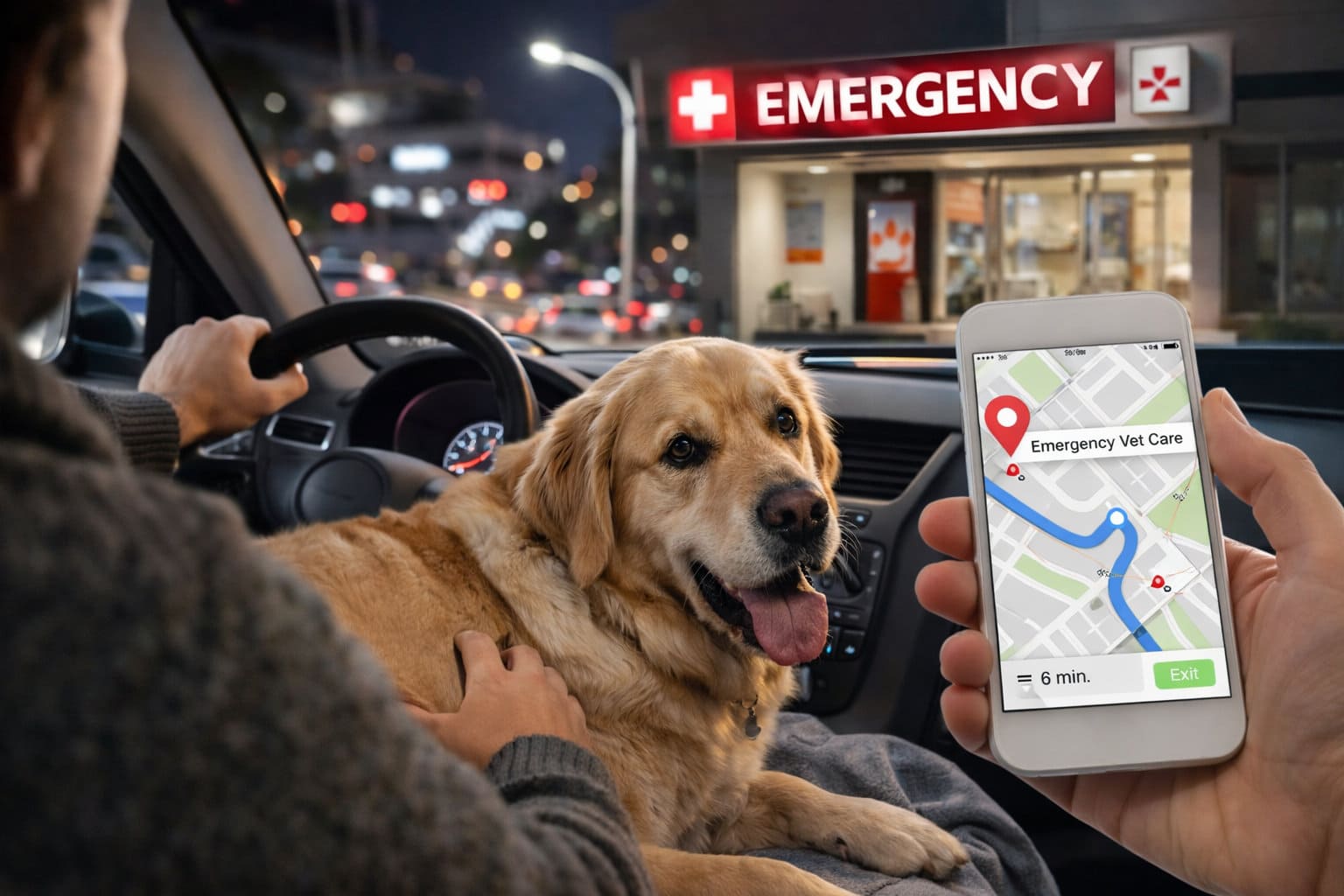
A sudden change in behavior is often the earliest sign of a medical emergency. Dogs that become unusually withdrawn, restless, aggressive, or disoriented may be experiencing pain, neurological issues, or internal illness.
Lack of response to familiar commands or surroundings can indicate serious conditions such as toxin exposure or neurological compromise. Dogs may appear confused or unsteady.
Behavioral changes that occur abruptly should never be dismissed as mood-related. Dogs are creatures of routine, and sudden deviation is a red flag.
Trusting your instincts when behavior feels “off” is essential.
Collapse or Extreme Weakness
Collapse is one of the most urgent emergency signs in dogs. Even brief collapse can indicate heart problems, internal bleeding, severe infection, or shock.
Extreme weakness may present as difficulty standing, dragging limbs, or inability to walk normally. These signs often worsen quickly if untreated.
Dogs that collapse may recover briefly and then decline again. This pattern is especially dangerous and requires immediate veterinary attention.
Collapse is never normal and is always an emergency.
Unnumbered list:
- Sudden collapse or fainting
- Inability to stand or walk
- Severe weakness or unresponsiveness
Difficulty Breathing or Abnormal Breathing Patterns
Breathing problems are among the most critical emergencies. Dogs that struggle to breathe may pant excessively, breathe rapidly at rest, or adopt unusual postures to get air.
Open-mouth breathing when not hot or excited is especially concerning. Blue or pale gums indicate inadequate oxygen delivery and require immediate care.
Breathing emergencies can escalate quickly, and waiting can lead to respiratory failure. These cases should be treated as urgent without delay.
“Any breathing difficulty should be considered life-threatening until proven otherwise.”
Uncontrolled Vomiting or Diarrhea
Repeated vomiting or diarrhea can quickly lead to dehydration and electrolyte imbalance. When these symptoms occur continuously or violently, they indicate more than a mild stomach upset.
Vomiting or diarrhea accompanied by blood, lethargy, or pain is especially concerning. These signs often point to infection, toxin ingestion, or intestinal obstruction.
Dogs that cannot keep water down are at high risk of rapid deterioration. Emergency evaluation is essential in these cases.
Early treatment prevents complications and shortens recovery time.
Severe Pain or Distress
Dogs in severe pain may cry, whine, pace, or become aggressive when touched. Some dogs withdraw and refuse interaction entirely.
Pain may stem from trauma, internal injury, bloat, or orthopedic emergencies. Dogs often mask pain until it becomes unbearable.
Shaking, trembling, or rapid breathing can also indicate significant pain. These signs should not be ignored.
Numbered list:
- Vocalizing or crying in pain
- Guarding or aggression when touched
- Inability to rest or settle
Seizures or Neurological Abnormalities
Seizures are a clear emergency, especially if they last longer than a few minutes or occur repeatedly. Dogs may lose consciousness, twitch, or paddle their limbs uncontrollably.
Other neurological signs include head tilt, loss of balance, sudden blindness, or disorientation. These symptoms often indicate brain or spinal involvement.
Even a first-time seizure warrants emergency evaluation. Identifying the cause early can prevent recurrence or worsening damage.
“Neurological emergencies require immediate veterinary assessment.”
Abdominal Distension or Suspected Bloat
A swollen or tight abdomen is a serious warning sign, particularly in large or deep-chested dogs. Abdominal distension combined with restlessness or unproductive retching is highly suggestive of bloat.
Bloat progresses rapidly and can be fatal within hours. Dogs may appear uncomfortable, pace, or attempt to vomit unsuccessfully.
This condition cannot be treated at home and requires immediate emergency care and often surgery.
Time is the most critical factor in survival.
Trauma or Injury From Accidents
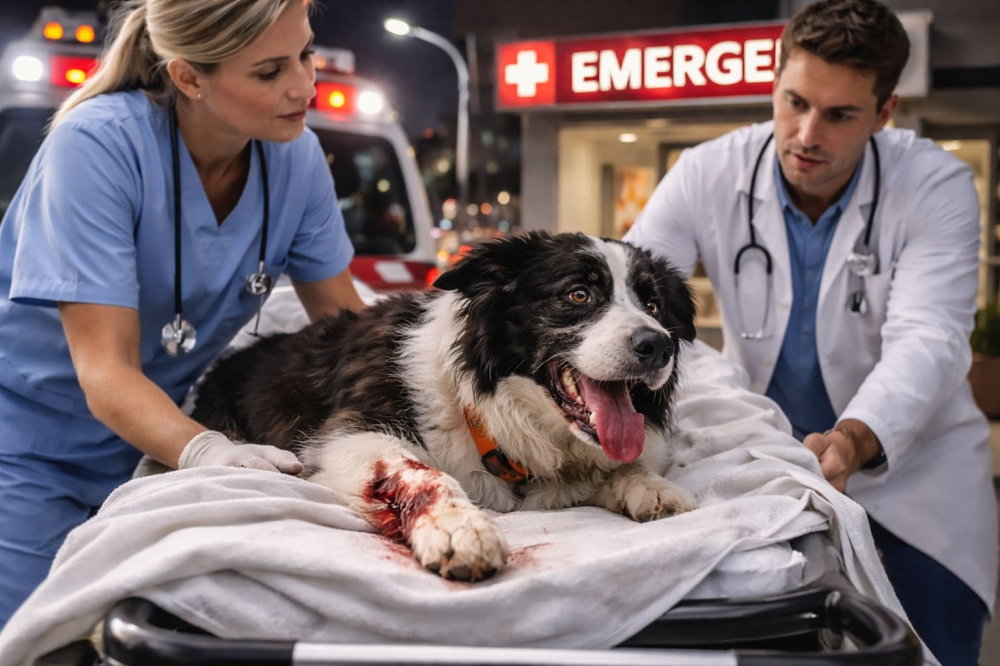
Any significant trauma, such as being hit by a car, falling from height, or sustaining a bite wound, should be evaluated immediately. Internal injuries may not be visible.
Dogs involved in accidents may appear stable initially but deteriorate hours later due to internal bleeding or organ damage.
Even minor-looking wounds can conceal serious complications. Emergency evaluation ensures hidden injuries are identified early.
Unnumbered list:
- Vehicle accidents
- Falls or blunt force trauma
- Severe bite wounds
Signs of Poisoning or Toxin Exposure
Poisoning can cause sudden, dramatic symptoms including vomiting, seizures, tremors, or collapse. Many household items, foods, and medications are toxic to dogs.
Symptoms may appear immediately or be delayed depending on the toxin. Waiting for signs to worsen can be fatal.
If toxin exposure is suspected, emergency care is essential even if the dog appears normal at first.
“Poisoning cases are time-sensitive emergencies.”
Uncontrolled Bleeding or Pale Gums
Active bleeding that does not stop is an emergency. This includes bleeding from wounds, nosebleeds, or bleeding from the mouth or rectum.
Pale or white gums indicate blood loss, shock, or poor circulation. These signs suggest the body is not delivering oxygen effectively.
Dogs with bleeding disorders or trauma are especially vulnerable to rapid deterioration.
Immediate stabilization is critical in these cases.
What to Do When You Suspect an Emergency
When emergency signs appear, acting quickly and calmly is essential. Contact a veterinary emergency clinic immediately and prepare to transport your dog safely.
Avoid giving food, water, or medications unless instructed. Keeping the dog warm and minimizing movement can help during transport.
Calling ahead allows the clinic to prepare for immediate care. The price of emergency treatment depends on diagnostics and severity, which is why individualized assessment is necessary.
Pet owners are strongly encouraged to seek emergency veterinary care immediately when these signs appear. Prompt action saves lives and protects your dog’s long-term health.