


What Does Healthy Dog Poop Look Like
- Why Your Dog’s Stool Says a Lot About Their Health
- The Ideal Color of Healthy Dog Poop
- Proper Consistency and Shape of Healthy Stool
- Frequency of Bowel Movements in Healthy Dogs
- What Healthy Dog Poop Should Smell Like
- Mucus in Dog Stool What It Means
- Blood in Dog Poop When To Worry
- How Diet Affects Stool Quality
- Parasites and Their Impact on Stool
- Stress and Environmental Factors in Urban Dogs
- When Abnormal Stool Is an Emergency
- Preventive Care for Healthy Digestion
Why Your Dog’s Stool Says a Lot About Their Health
One of the simplest and most reliable indicators of your dog’s internal health is their stool. While it may not be a pleasant topic, evaluating your dog’s poop regularly can help detect digestive problems, infections, parasites, dietary intolerance, and even systemic disease early. For dog owners in Queens, NY, where pets live in close quarters and frequent dog parks, monitoring stool quality is especially important.
Healthy dog poop reflects proper digestion, balanced nutrition, adequate hydration, and normal intestinal function. Changes in color, consistency, frequency, or odor often signal underlying medical issues that require veterinary evaluation.
“Your dog’s stool is a daily health report. Subtle changes can be the first sign that something isn’t right.”
If you ever notice abnormal stool lasting more than 24–48 hours, it’s wise to schedule an appointment at a trusted veterinary clinic in Queens for proper evaluation.
The Ideal Color of Healthy Dog Poop
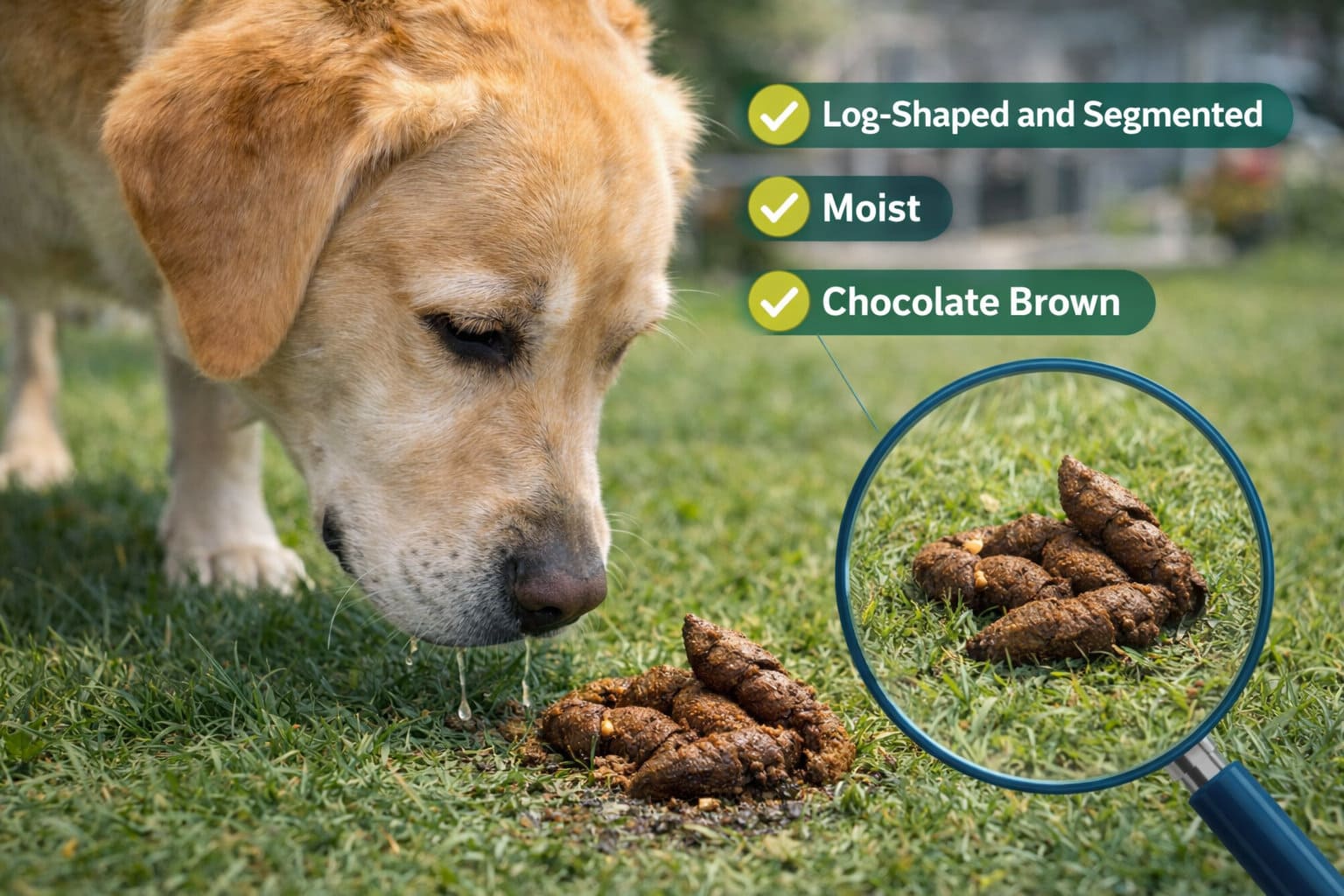
Normal dog stool should be medium to chocolate brown in color. This brown shade comes from bile pigments produced during digestion. As food passes through the liver and intestines, these pigments are modified, creating the characteristic brown appearance.
Abnormal colors can indicate different health issues:
- Black or tarry stool may suggest internal bleeding in the upper digestive tract
- Bright red streaks can indicate lower intestinal irritation or colitis
- Yellow or orange stool may signal liver or pancreatic issues
- Green stool may result from grass ingestion or, in rare cases, toxin exposure
- Gray or pale stool can indicate bile duct or pancreatic dysfunction
Color changes that persist for more than one bowel movement should prompt veterinary consultation. In a densely populated area like Queens NY, exposure to garbage, spoiled food, or toxins during walks can contribute to sudden stool color changes.
Proper Consistency and Shape of Healthy Stool
Healthy dog poop should be firm but not hard, log-shaped, and easy to pick up. It should hold its form without crumbling or smearing excessively.
Veterinarians often use a fecal scoring system from 1 to 7:
- Very hard, dry pellets
- Firm but slightly dry
- Well-formed and moist
- Soft but still shaped
- Very soft and loses shape
- Mushy
- Watery diarrhea
Scores of 2 to 3 are considered ideal. Persistent scores of 5 or above indicate diarrhea and may require diagnostics such as fecal testing or blood work.
Consistency problems can result from:
If your dog’s stool becomes consistently loose, especially with vomiting or lethargy, schedule an appointment promptly.
Frequency of Bowel Movements in Healthy Dogs
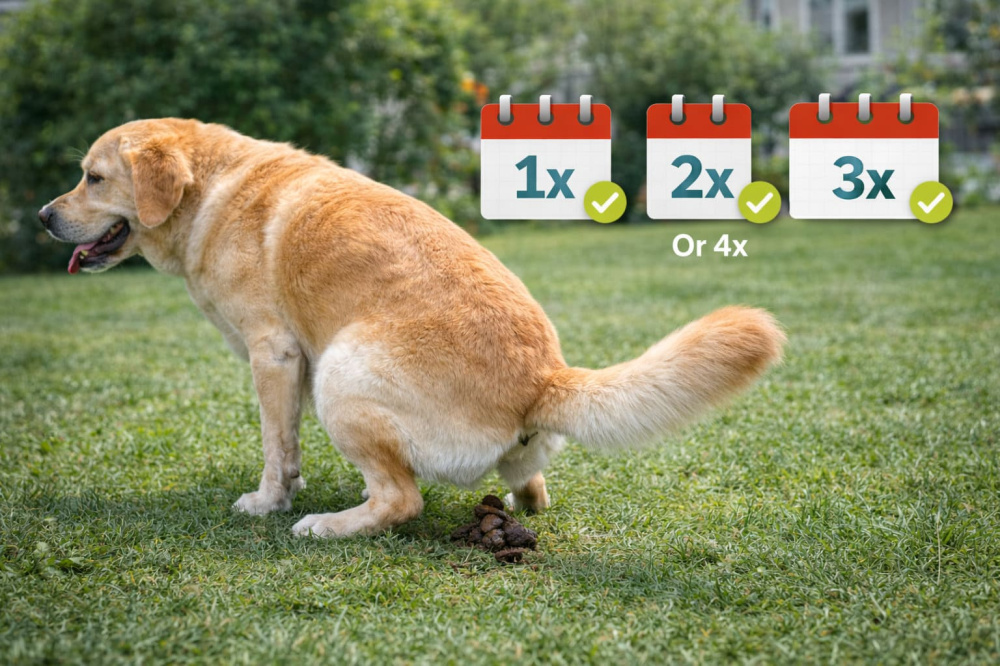
Most healthy adult dogs defecate one to two times per day. Puppies may go more frequently due to faster metabolism and higher food intake.
Changes in frequency can signal digestive disruption. Increased frequency with small amounts may suggest colitis or intestinal inflammation. Reduced frequency or straining could indicate constipation, dehydration, or obstruction.
Urban dogs in Queens often experience environmental stress, dietary variation, or access to street debris, all of which can affect bowel regularity. Monitoring routine patterns helps identify abnormalities quickly.
If your dog goes more than 48 hours without a bowel movement or strains repeatedly without producing stool, contact your veterinary clinic for guidance.
What Healthy Dog Poop Should Smell Like
All stool has an odor, but excessively foul or metallic smells can indicate digestive imbalance, infection, or malabsorption. Healthy stool odor should be mild and not overwhelmingly offensive.
Extremely strong odor may be associated with:
- Parasites
- Bacterial overgrowth
- Poor-quality diet
- Pancreatic insufficiency
- Intestinal inflammation
If you notice a dramatic change in odor along with changes in color or consistency, a fecal exam may be necessary. Early testing can prevent more serious gastrointestinal disease.
Mucus in Dog Stool What It Means
A small amount of clear mucus occasionally is not always concerning. The intestines naturally produce mucus to lubricate stool passage. However, excessive mucus often indicates inflammation of the colon.
Common causes include:
- Dietary indiscretion
- Stress-related colitis
- Parasites
- Food intolerance
- Bacterial infections
Dogs living in apartment buildings, shared yards, or dog parks in Queens NY may have higher exposure to parasites or stress triggers.
If mucus appears repeatedly or is accompanied by blood, diarrhea, or straining, diagnostic testing is recommended.
Blood in Dog Poop When To Worry
Blood in stool should always be taken seriously. Bright red blood usually originates from the lower intestine or rectum. Dark, tarry stool suggests bleeding higher in the gastrointestinal tract.
Possible causes include:
- Hemorrhagic gastroenteritis
- Parasites
- Severe colitis
- Toxin ingestion
- Foreign body ingestion
“Visible blood in stool is never normal. Even if your dog seems otherwise fine, evaluation is necessary.”
Immediate veterinary attention is especially important if blood is accompanied by vomiting, weakness, or pale gums.
How Diet Affects Stool Quality
Diet plays a central role in stool appearance. High-quality, balanced dog food promotes well-formed, moderately firm stools. Poor-quality diets or sudden food transitions often lead to loose stool or excessive bulk.
Key dietary factors influencing stool:
- Protein source and digestibility
- Fiber content
- Fat levels
- Hydration
- Food sensitivities
Switching food abruptly can disrupt intestinal bacteria. Always transition gradually over 7–10 days.
If your dog experiences chronic loose stool despite dietary adjustments, a veterinary evaluation in Queens may include food trials, allergy testing, or gastrointestinal diagnostics.
Parasites and Their Impact on Stool
Intestinal parasites are a common cause of abnormal stool in dogs. Roundworms, hookworms, whipworms, and Giardia can cause diarrhea, mucus, blood, or weight loss.
Symptoms associated with parasites include:
- Soft stool or diarrhea
- Visible worms
- Poor weight gain
- Abdominal bloating
- Lethargy
Routine fecal testing is recommended at least annually and more often for puppies or dogs visiting dog parks frequently in Queens NY.
Preventive deworming and regular wellness exams help reduce risk. If abnormal stool persists, fecal testing is typically affordable, and discussing price concerns openly with your veterinarian ensures transparent planning.
Stress and Environmental Factors in Urban Dogs
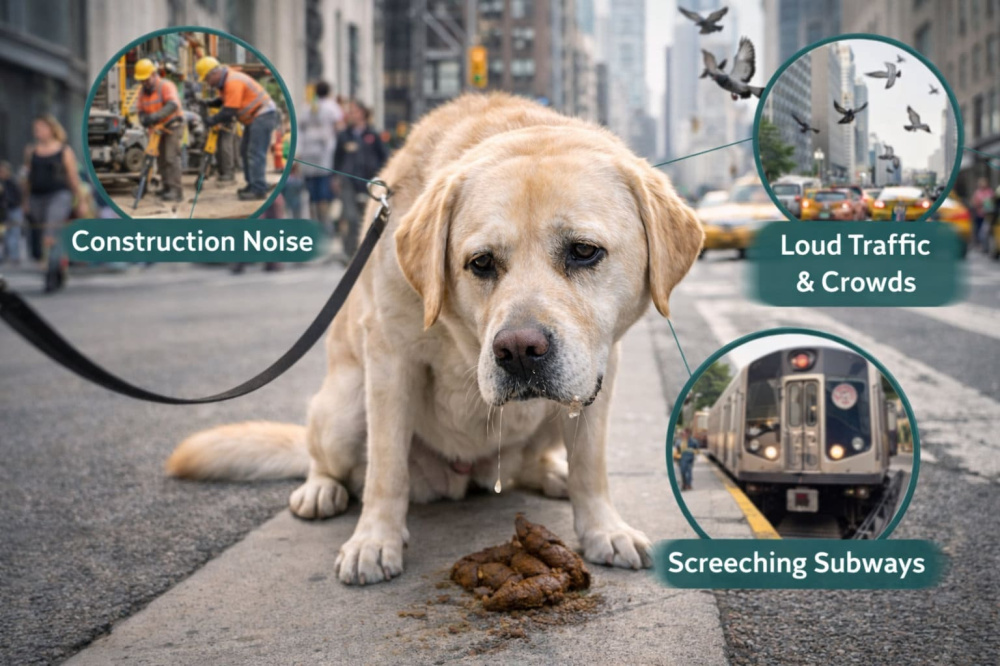
Stress can significantly affect bowel health. Urban environments like Queens expose dogs to loud noises, high foot traffic, and frequent changes in routine.
Stress-related colitis often presents as:
- Sudden diarrhea
- Small frequent stools
- Mucus
- Mild blood streaking
Boarding, travel, new pets, or household changes can trigger digestive upset.
Maintaining consistent feeding schedules and providing calm environments can reduce stress-related gastrointestinal issues.
When Abnormal Stool Is an Emergency
While mild, short-term changes may resolve on their own, certain signs require urgent care:
- Persistent vomiting
- Profuse watery diarrhea
- Large amounts of blood
- Severe lethargy
- Refusal to eat
- Signs of abdominal pain
If your dog shows these symptoms, contact an emergency veterinary clinic in Queens NY immediately. Delaying care can increase treatment price and risk of complications.
Preventive Care for Healthy Digestion
Routine preventive care supports healthy stool quality. Wellness exams, vaccinations, parasite prevention, and balanced nutrition all contribute to stable digestive health.
Regular veterinary visits allow early detection of subtle abnormalities before serious disease develops.
Preventive measures include:
- Annual fecal exams
- High-quality diet
- Consistent feeding schedule
- Clean water access
- Parasite prevention
If you are unsure whether your dog’s stool is normal, bring a fresh sample to your appointment. Our veterinary clinic in Queens provides comprehensive diagnostics, gastrointestinal evaluations, nutritional counseling, and preventive care tailored to your pet’s needs.
If you notice persistent changes in stool color, consistency, or frequency, do not wait. Schedule an appointment today to ensure your dog’s digestive health remains strong. Early evaluation protects your pet and often reduces overall treatment costs by addressing issues before they escalate.