


When to Go to an Emergency Vet – Warning Signs Every Pet Owner in Queens NY Should Know
- Understanding What Qualifies as a True Veterinary Emergency
- Difficulty Breathing Is Always an Emergency
- Severe Vomiting or Diarrhea That Does Not Stop
- Trauma Including Being Hit by a Car or Falling
- Inability to Urinate or Defecate
- Seizures or Sudden Neurological Changes
- Suspected Poisoning or Toxin Exposure
- Heat Stroke and Extreme Temperature Exposure
- Severe Pain or Sudden Behavioral Changes
- Wounds That Are Deep, Bleeding, or Infected
- Trusting Your Instinct as a Pet Owner
Understanding What Qualifies as a True Veterinary Emergency
Pet owners often struggle with one critical question — is this serious enough to justify an emergency veterinary visit? Knowing when to go to an emergency vet can mean the difference between rapid recovery and life-threatening complications.
An emergency is any condition that threatens your pet’s life, causes severe pain, or risks permanent organ damage if not treated immediately. In a densely populated borough like Queens, NY, pets are exposed to urban hazards including traffic accidents, toxins, foreign body ingestion, and heat-related illness.
Delaying care because symptoms appear “mild” is one of the most common mistakes. Many life-threatening conditions begin subtly and worsen rapidly within hours.
“If you are debating whether it is an emergency, it is safer to have your pet evaluated than to wait.”
Early assessment by a veterinary professional reduces complications and often lowers overall treatment cost compared to delayed intervention.
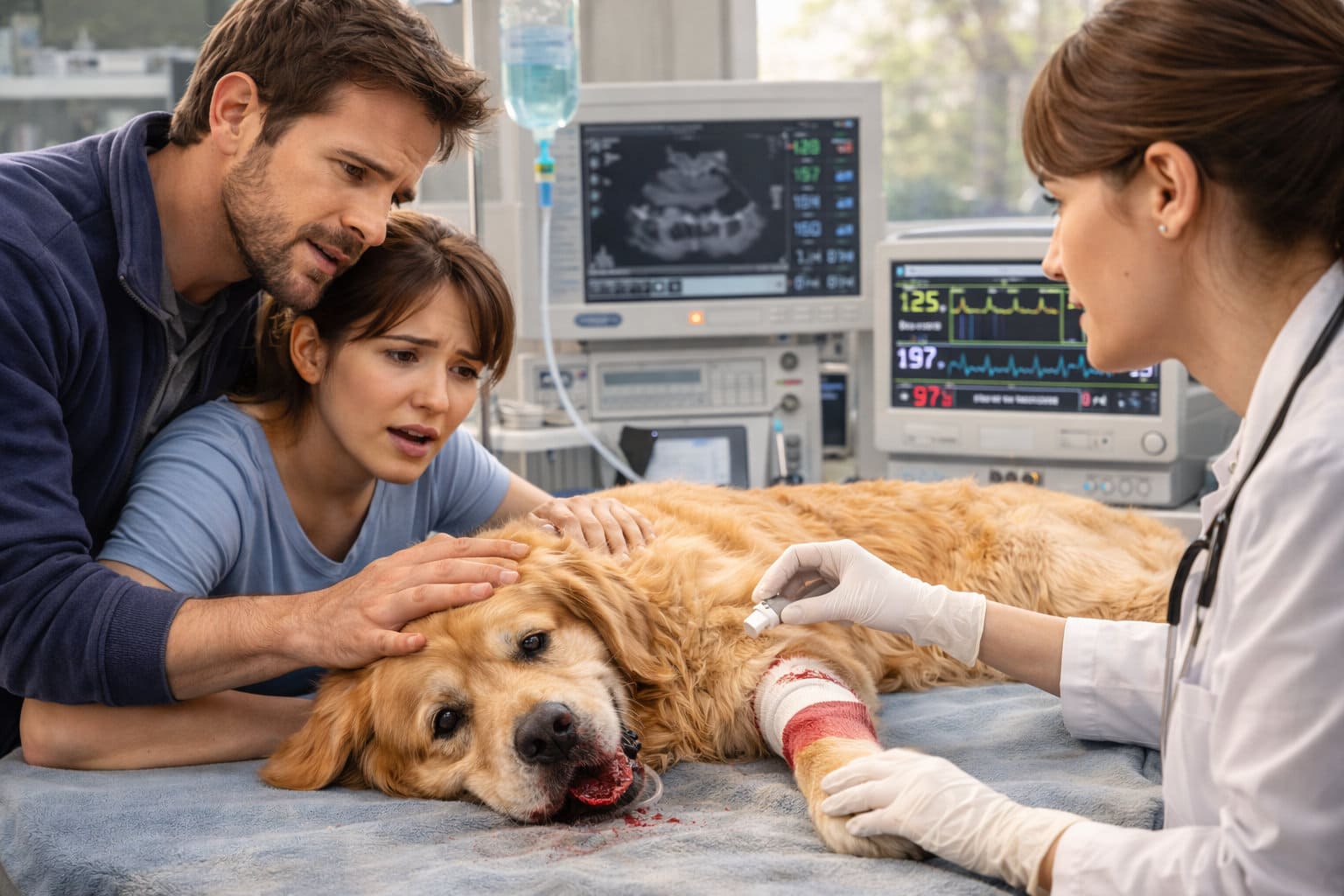
Difficulty Breathing Is Always an Emergency
Breathing problems require immediate veterinary attention. Labored breathing, open-mouth breathing in cats, excessive panting unrelated to exercise, or blue-tinged gums are critical warning signs.
Respiratory distress can result from asthma, heart disease, allergic reactions, trauma, or fluid in the lungs. In Queens apartments where air quality, allergens, and environmental stressors vary, pets may experience sudden respiratory crises.
Signs that demand urgent care include:
- Rapid or shallow breathing
- Gasping for air
- Extended neck posture while breathing
- Collapse associated with breathing difficulty
Breathing issues can deteriorate quickly. Oxygen therapy and diagnostic imaging at an emergency veterinary clinic may be necessary immediately.
Never attempt to “monitor overnight” if your pet is struggling to breathe.
Severe Vomiting or Diarrhea That Does Not Stop
Occasional vomiting may not be urgent, but persistent vomiting or diarrhea is different. Repeated episodes within a short period, especially when accompanied by lethargy, blood, or refusal to eat, require prompt evaluation.
Ingestion of toxins, intestinal obstruction, pancreatitis, or severe infection may present initially as gastrointestinal upset. Puppies and kittens are especially vulnerable to dehydration.
Emergency symptoms include:
- Blood in vomit or stool
- Continuous vomiting for several hours
- Abdominal pain
- Signs of weakness or collapse
Dehydration can develop rapidly. IV fluids, blood tests, and imaging may be required to stabilize your pet.
In many cases, early treatment prevents the need for more invasive procedures.
Trauma Including Being Hit by a Car or Falling
Any traumatic injury — even if your pet appears alert — warrants emergency evaluation. Internal bleeding and organ damage are not always visible externally.
Common trauma scenarios in Queens include car accidents, falls from balconies, dog fights, and blunt force injuries.
After trauma, watch for:
- Limping or inability to stand
- Swelling or visible fractures
- Pale gums
- Rapid breathing
- Abdominal distension
Internal hemorrhage may not show immediate symptoms. Veterinary imaging such as X-rays or ultrasound helps detect hidden injuries.
The absence of visible wounds does not mean your pet is unharmed.
Immediate stabilization significantly improves survival rates.

Inability to Urinate or Defecate
Straining in the litter box or during attempts to urinate is a medical emergency, especially in male cats. Urinary blockage can become fatal within 24–48 hours.
Dogs that repeatedly strain without producing urine may also have obstruction or bladder rupture.
Emergency signs include:
- Crying while urinating
- Repeated attempts with little output
- Vomiting and lethargy
- Distended painful abdomen
Intestinal obstruction can also prevent defecation and lead to severe complications.
Prompt catheterization or surgical intervention may be required. Delaying treatment increases risk of kidney failure and systemic toxicity.
Seizures or Sudden Neurological Changes
A single brief seizure may not always require overnight hospitalization, but immediate evaluation is still important. Multiple seizures within 24 hours, prolonged seizures lasting more than five minutes, or altered consciousness require emergency care.
Neurological emergencies include:
- Sudden collapse
- Loss of coordination
- Head pressing
- Sudden blindness
- Uncontrolled shaking
Causes range from toxin exposure and metabolic disorders to brain inflammation or trauma.
Rapid stabilization and diagnostic testing help determine the underlying cause and prevent recurrence.
Suspected Poisoning or Toxin Exposure
Queens households contain numerous potential toxins including cleaning products, medications, rodenticides, chocolate, grapes, and certain plants.
If you suspect your pet ingested a toxic substance, do not wait for symptoms to appear. Immediate veterinary consultation is critical.
Signs of poisoning may include:
- Excessive drooling
- Vomiting
- Tremors
- Seizures
- Behavioral changes
Bring packaging or substance information to the clinic if available. Early intervention may involve inducing vomiting, administering activated charcoal, or providing IV fluids.
“Time is the most important factor in toxin exposure cases.”
Delays can allow toxins to enter systemic circulation and cause organ failure.
Heat Stroke and Extreme Temperature Exposure
During New York summers, heat stroke is a common emergency. Dogs left in cars or exercised in high humidity can deteriorate quickly.
Emergency symptoms include:
- Excessive panting
- Bright red gums
- Vomiting
- Collapse
- Seizures
Cold exposure in winter can also lead to hypothermia, especially in small or short-haired breeds.
Temperature-related emergencies require immediate stabilization with controlled warming or cooling and intensive monitoring.
Never assume symptoms will resolve without medical intervention.
Severe Pain or Sudden Behavioral Changes
Pets in severe pain may hide, growl, vocalize, or refuse to move. Sudden aggression or extreme lethargy can indicate serious underlying illness.
Signs of acute pain include:
- Hunched posture
- Crying when touched
- Refusal to eat
- Rapid breathing without exercise
Abdominal emergencies, spinal injury, or internal bleeding may present primarily as behavioral changes.
When pain appears intense or unexplained, emergency evaluation is warranted.

Wounds That Are Deep, Bleeding, or Infected
Superficial cuts may be managed during regular clinic hours, but deep wounds, uncontrolled bleeding, or bite injuries require urgent care.
Animal bites often introduce bacteria beneath the skin, leading to abscess formation.
Seek emergency care if you notice:
- Heavy bleeding
- Visible muscle or bone
- Swelling and heat around a wound
- Foul odor
Proper wound cleaning, antibiotics, pain management, and sometimes surgical intervention are necessary to prevent complications.
Trusting Your Instinct as a Pet Owner
You know your pet better than anyone. If something feels wrong, trust your judgment. Subtle changes in appetite, breathing, energy level, or behavior may indicate serious illness.
Emergency veterinary care is designed to stabilize life-threatening conditions quickly. Early evaluation often prevents prolonged hospitalization and reduces long-term complications.
If your pet is experiencing any of the symptoms described above, contact our veterinary clinic in Queens NY immediately to schedule an emergency appointment. Prompt action protects organ function, relieves pain, and gives your pet the best chance of a full recovery.