


Why Is My Cat Vomiting?
- Vomiting in Cats Is a Sign That Should Never Be Ignored
- Occasional Vomiting Versus a Medical Problem
- Common Causes of Vomiting in Cats
- Hairballs and Vomiting in Cats
- Digestive Disorders and Chronic Vomiting
- Kidney Disease and Systemic Illness
- Stress and Vomiting in Cats
- Toxins, Plants, and Foreign Objects
- When Vomiting Becomes an Emergency
- Diagnostic Evaluation at a Veterinary Clinic
- Treatment Options for Vomiting in Cats
- What to Do Next and Scheduling a Veterinary Visit
Vomiting in Cats Is a Sign That Should Never Be Ignored
Vomiting in cats is one of the most common reasons pet owners seek veterinary care, yet it is also one of the most misunderstood symptoms. While an occasional hairball may seem harmless, repeated or unexplained vomiting often indicates an underlying problem that requires attention. Cats rarely vomit without a reason.
Unlike dogs, cats are prone to hiding illness until it becomes advanced. Vomiting may be the first visible sign that something is wrong internally. Even when a cat otherwise appears normal, ongoing vomiting can signal serious health issues.
In Queens, veterinarians frequently see cats brought in after owners attempt to “wait it out.” Unfortunately, delaying care often allows mild problems to progress into more complex conditions.
“Vomiting is a symptom, not a diagnosis.”
Occasional Vomiting Versus a Medical Problem
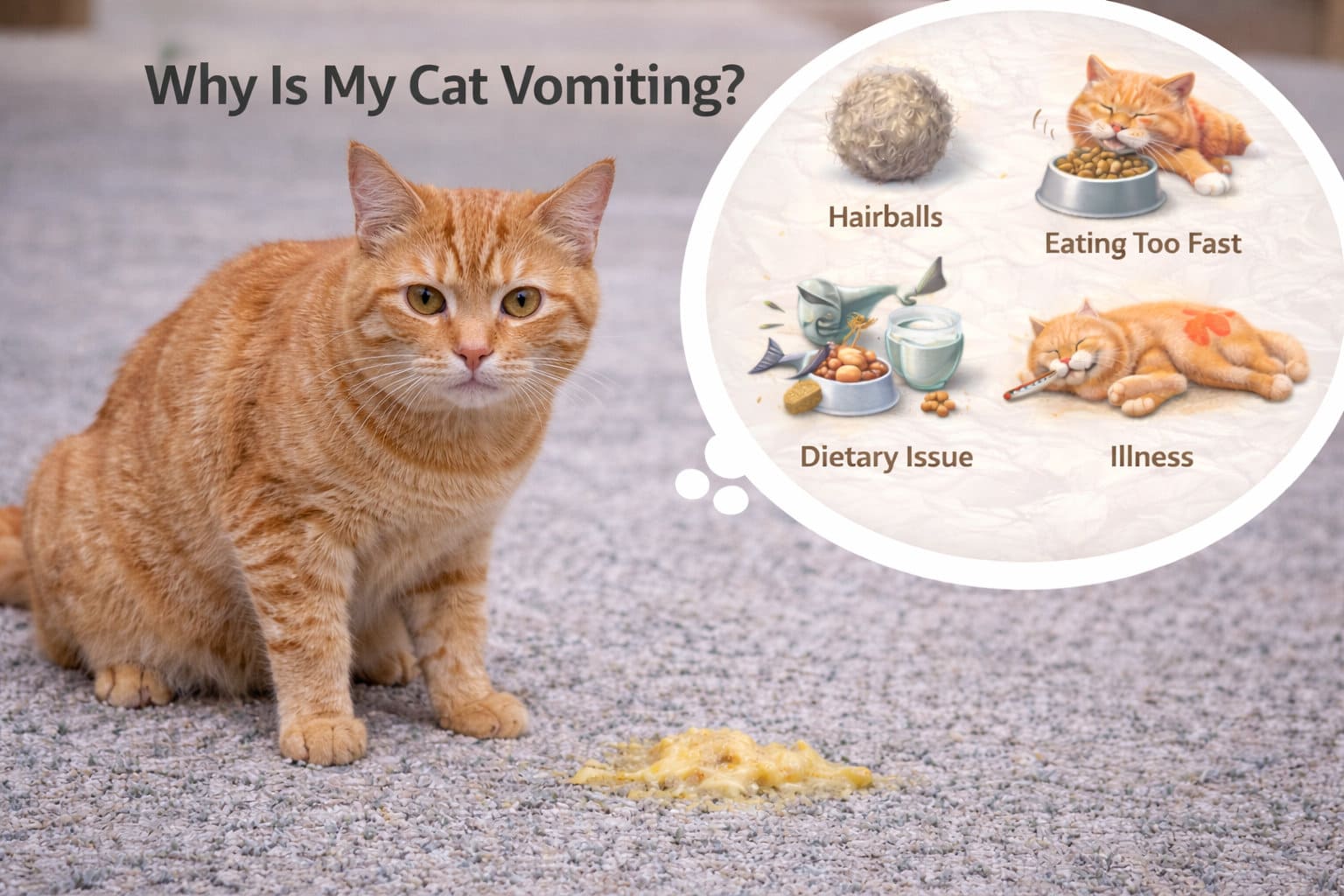
Not all vomiting is immediately dangerous. Cats may vomit occasionally due to hairballs, eating too quickly, or mild stomach irritation. These isolated events typically resolve on their own.
However, vomiting becomes concerning when it happens repeatedly, increases in frequency, or is accompanied by other changes such as appetite loss or lethargy. Vomiting more than once in 24 hours should be taken seriously.
Chronic vomiting, even if it occurs only once every few days, is not normal for cats. This pattern often points to gastrointestinal disease or systemic illness.
Understanding the difference between occasional and problematic vomiting helps owners decide when to seek veterinary care.
Common Causes of Vomiting in Cats
There are many possible causes of vomiting in cats. Hairballs are one of the most recognized causes, especially in long-haired breeds or cats that groom excessively.
Dietary issues such as food intolerance, sudden diet changes, or spoiled food can irritate the stomach. Cats are sensitive to dietary changes and often react quickly.
Medical causes include infections, parasites, kidney disease, liver disease, pancreatitis, and inflammatory bowel disease. Identifying the cause early improves treatment success.
Repeated vomiting always warrants veterinary evaluation.
Unnumbered list:
- Hairballs and excessive grooming
- Dietary intolerance or sudden food changes
- Gastrointestinal or systemic disease
Hairballs and Vomiting in Cats
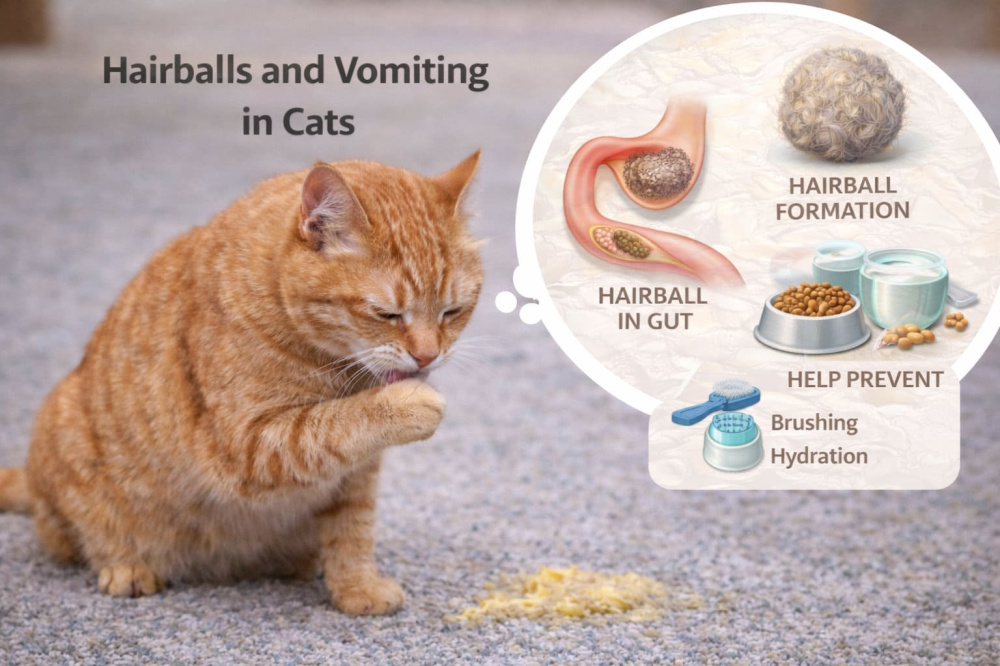
Hairballs form when cats ingest fur during grooming and cannot pass it through the digestive tract. Occasional hairball vomiting can be normal, particularly during shedding seasons.
However, frequent hairball vomiting may indicate underlying digestive issues or excessive grooming due to stress or skin problems. Cats that vomit hairballs weekly or more often should be evaluated.
Hairball-related vomiting can sometimes mask more serious conditions. Assuming hairballs are always harmless can delay diagnosis.
Veterinarians can recommend dietary changes or preventive strategies to reduce hairball formation safely.
Digestive Disorders and Chronic Vomiting
Chronic vomiting is often linked to gastrointestinal disorders. Inflammatory bowel disease is a common condition that causes persistent stomach and intestinal inflammation.
Other digestive issues include gastritis, intestinal obstruction, and food allergies. These conditions interfere with nutrient absorption and irritate the digestive lining.
Cats with digestive disorders may vomit intermittently while appearing otherwise normal. Weight loss and appetite changes may develop gradually.
“Chronic vomiting is never normal in cats.”
Kidney Disease and Systemic Illness
Kidney disease is a leading cause of vomiting in older cats. As kidney function declines, toxins build up in the bloodstream, triggering nausea and vomiting.
Other systemic illnesses such as liver disease, hyperthyroidism, and diabetes can also cause vomiting. These conditions often produce additional subtle symptoms.
Vomiting related to systemic illness is rarely an isolated problem. Early diagnosis allows for better long-term management and improved quality of life.
Routine blood work plays a critical role in identifying these conditions early.
Numbered list:
- Chronic kidney disease
- Liver or thyroid disorders
- Metabolic or systemic illness
Stress and Vomiting in Cats
Stress can significantly affect a cat’s digestive system. Environmental changes such as moving, new pets, or unfamiliar people can trigger vomiting.
Cats may vomit due to anxiety even without visible behavioral changes. Stress-induced vomiting is often overlooked because it does not appear dramatic.
Chronic stress can worsen existing digestive conditions and suppress appetite. Identifying and reducing stressors is an important part of treatment.
“Stress affects the gut as much as the mind.”
Toxins, Plants, and Foreign Objects
Ingestion of toxic substances is a medical emergency. Certain household plants, medications, and chemicals are highly toxic to cats and commonly cause vomiting.
Foreign objects such as string, rubber bands, or small toys can lodge in the digestive tract. Vomiting may be the first sign of obstruction.
Cats with access to unsafe objects or plants should be evaluated immediately if vomiting occurs. Delayed care can result in life-threatening complications.
Veterinary intervention is critical in suspected toxin or foreign body exposure.
When Vomiting Becomes an Emergency
Vomiting becomes an emergency when it is persistent, severe, or accompanied by other symptoms. Dehydration can develop quickly in cats.
Blood in vomit, yellowing of the eyes, severe lethargy, or refusal to eat indicate serious illness. These signs require immediate veterinary attention.
Kittens, senior cats, and cats with chronic disease are especially vulnerable to complications from vomiting.
“Emergency vomiting should never be monitored at home.”
Unnumbered list:
- Vomiting multiple times in one day
- Blood or bile in vomit
- Lethargy or refusal to eat
Diagnostic Evaluation at a Veterinary Clinic
Veterinary diagnosis begins with a physical examination and detailed medical history. Information about diet, environment, and recent changes is essential.
Diagnostic testing may include blood work, fecal testing, imaging, and ultrasound. These tests help identify gastrointestinal and systemic causes.
Accurate diagnosis prevents unnecessary treatments and allows targeted therapy. Early diagnostics often shorten recovery time.
Queens veterinary clinics emphasize timely evaluation to protect long-term health.
Treatment Options for Vomiting in Cats
Treatment depends on the underlying cause. Mild cases may respond to dietary changes and supportive care.
Medical conditions often require medication, fluid therapy, or long-term management. Prescription diets are commonly used to support digestive health.
Never give human medications to cats, as many are toxic and can worsen symptoms.
Effective treatment addresses the cause, not just the vomiting.
What to Do Next and Scheduling a Veterinary Visit
If your cat is vomiting, scheduling a veterinary appointment promptly is the safest decision. Early evaluation prevents minor issues from becoming serious.
During the visit, the veterinarian will explain diagnostic findings, treatment options, and recovery expectations. The price of care depends on diagnostics and treatment needs, which is why individualized assessment is important.
Pet owners are encouraged to schedule an appointment as soon as vomiting becomes recurrent, even if the cat seems otherwise normal. Early care is more effective and often less costly.
Your cat’s comfort, health, and long-term wellbeing depend on timely veterinary attention and informed decisions.