

Cat Cancer Treatment at VetQueens Animal Hospital
At VetQueens Animal Hospital, we understand the emotional and physical toll that a cancer diagnosis can have on both cats and their owners. When it comes to feline cancer, early detection and treatment are crucial for providing your cat with the best chance at a longer, healthier life. We are committed to offering compassionate, expert care and advanced treatment options to help your cat battle cancer.
Our veterinary oncologists use the latest diagnostic tools and cancer treatment options to create personalized care plans tailored to your cat’s specific needs. Whether your cat requires surgery, chemotherapy, radiation therapy, or palliative care, our team will be with you every step of the way to ensure your cat receives the highest level of treatment.
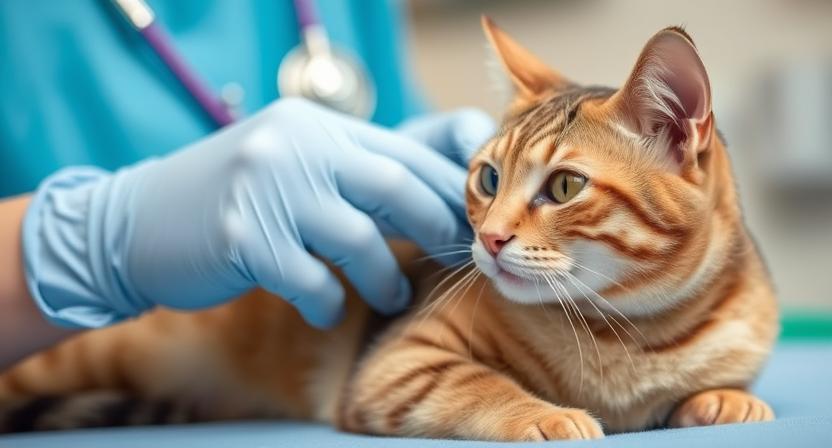
Types of Cancer in Cats
Cancer can affect various parts of your cat’s body, and some types are more common than others. Understanding the different forms of cancer in cats can help you recognize symptoms early and get your cat the care they need. Some of the most common types of feline cancer include:
- Lymphoma: This is one of the most common cancers in cats, affecting the lymphatic system. It can be found in the abdominal organs, spleen, and intestinal tract.
- Mammary gland tumors: These tumors develop in the breast tissue and are more common in unspayed female cats.
- Squamous cell carcinoma: This form of skin cancer is common in older cats and can appear as sores or growths on the skin.
- Osteosarcoma: A type of bone cancer that can affect your cat’s limbs or jaw.
- Fibrosarcoma: A tumor that can develop in the connective tissues of your cat’s body, such as muscle or fat.
Other less common cancers may include melanoma, leukemia, and carcinomas that affect organs such as the lungs, liver, or kidneys.
Signs and Symptoms of Cancer in Cats
Cancer in cats can be difficult to detect in its early stages, as the symptoms can be subtle and often resemble other illnesses. However, being aware of the common signs of feline cancer can help you seek medical attention for your cat sooner. Some signs to watch for include:
- Unexplained weight loss
- Lumps or masses that grow or change in size
- Decreased appetite or sudden loss of interest in food
- Chronic vomiting or diarrhea
- Excessive lethargy or reduced activity levels
- Changes in behavior or increased irritability
- Difficulties breathing or coughing
- Bleeding or unusual discharge (especially from the nose, mouth, or rectum)
If you notice any of these signs, it’s important to schedule a consultation with one of our veterinary oncologists to evaluate your cat’s health.
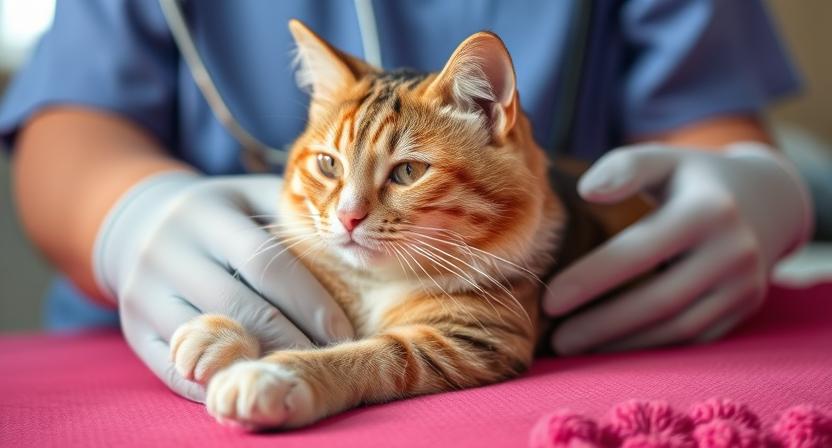
Cancer Diagnosis for Cats
At VetQueens Animal Hospital, we offer advanced diagnostic tools to accurately diagnose feline cancer and determine its stage. The diagnostic process may include:
- Physical examination: Our veterinarians will carefully palpate your cat’s body for lumps, enlarged organs, or other signs of abnormalities.
- Blood tests: Blood work helps us assess your cat’s overall health and look for markers of cancer, such as changes in cell counts or organ function.
- Imaging tests: X-rays, ultrasound, and CT scans can help us visualize tumors, determine their size and location, and assess whether the cancer has spread.
- Biopsy: A sample of the tumor may be taken for microscopic examination to confirm whether it is malignant or benign.
Based on the results, we will work with you to develop the best course of action for your cat’s treatment.
Treatment Options for Feline Cancer
Once a diagnosis of cancer is confirmed, we will discuss the available treatment options for your cat. The treatment plan will depend on the type, location, and stage of the cancer. Some common treatment options include:
- Surgery: Surgical removal of the tumor may be recommended if the cancer is localized and has not spread. Surgery is often the most effective treatment for solid tumors, such as mammary gland tumors or soft tissue sarcomas.
- Chemotherapy: If surgery is not an option or if cancer has spread, chemotherapy may be used. Chemotherapy helps to target and kill cancer cells throughout the body. We use the most advanced and feline-safe chemotherapy protocols to minimize side effects and maximize the chances of success.
- Radiation therapy: Radiation is used to target and destroy cancer cells in specific areas. It may be recommended for cancers that are not easily accessible by surgery, such as brain tumors or nasal cancers.
- Palliative care: If the cancer is advanced and not curable, we offer palliative care to help manage your cat’s symptoms, keep them comfortable, and improve their quality of life. This may include pain management, anti-nausea medication, and support for appetite stimulation.
Our veterinarians will discuss the benefits and risks of each treatment option, and we will work together to create a plan that suits your cat’s needs and your preferences.
Prognosis for Cats with Cancer
The prognosis for cats with cancer depends on various factors, including the type of cancer, its stage, your cat’s overall health, and how well they respond to treatment. Some cancers are more treatable than others, and early detection can significantly improve the chances of a successful outcome.
At VetQueens Animal Hospital, we provide honest, compassionate guidance throughout the treatment process. Our goal is to give your cat the best possible chance of recovery, while also keeping you informed and supported.
Why Choose VetQueens Animal Hospital for Cat Cancer Care?
At VetQueens Animal Hospital, we understand how difficult it is to see your cat go through a cancer diagnosis. Our veterinary oncologists are committed to providing personalized care, utilizing the most advanced diagnostic and treatment methods available. We work with you to ensure that your cat receives the best possible care, whether the goal is curative treatment or palliative care.
We also offer emotional support for you and your family, as we understand that dealing with cancer in a beloved pet can be overwhelming. Our team is here to guide you through every step of the process and offer support whenever you need it.
If you suspect your cat has cancer or if you have any questions about our feline cancer services, please don’t hesitate to contact us today. Together, we can provide your cat with the care and treatment they need to live a happy and healthy life.
-
What is feline cancer?
-
What are the signs of cancer in cats?
-
How is cancer diagnosed in cats?
-
What are the treatment options for cat cancer?
-
Is chemotherapy safe for my cat?
-
How do I know if my cat needs surgery for cancer?
-
Can cancer in cats be cured?
-
How long will my cat live after a cancer diagnosis?
-
What is palliative care for cats with cancer?
-
Why choose VetQueens Animal Hospital for cancer care?