

Cat Dermatology at VetQueens Animal Hospital
Your cat’s skin is an essential part of their overall health and well-being. Skin conditions in cats are common and can range from minor irritations to more severe, chronic issues. At VetQueens Animal Hospital, we offer comprehensive dermatology services for cats to diagnose and treat a variety of skin disorders. Whether your cat is suffering from itchiness, hair loss, rashes, or infections, our experienced veterinarians are here to help.
Our goal is to not only treat the symptoms of dermatologic conditions but to identify the underlying causes and provide long-term solutions for your cat’s comfort and health.
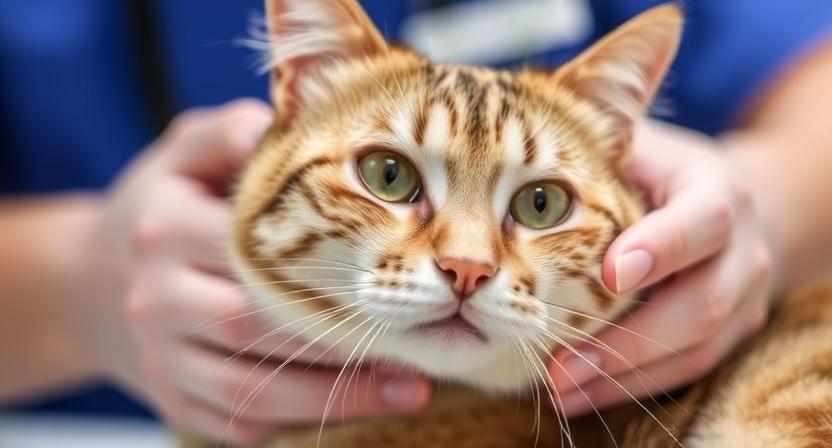
Common Skin Problems in Cats
Cats can suffer from a wide range of dermatologic issues. Some of the most common skin problems we see include:
- Allergies: Environmental allergens (such as pollen, dust mites), food allergies, or flea allergies can cause itchy, inflamed skin and hair loss.
- Flea infestations: Fleas are one of the most common causes of itching and skin irritation in cats, leading to allergic reactions and infections if left untreated.
- Infections: Bacterial or fungal infections can cause redness, swelling, and lesions on the skin.
- Parasites: Mites, ticks, and lice can lead to skin issues such as scabs, sores, and itchiness.
- Hot spots: These painful, moist, red areas are typically caused by excessive scratching or licking due to an underlying irritation or infection.
- Dermatitis: Inflammation of the skin, often caused by an infection, allergy, or irritant, leading to red, itchy patches.
- Skin tumors: Though less common, cats can develop benign or malignant tumors on their skin that may require diagnosis and treatment.
Signs Your Cat May Have a Skin Condition
Cats are good at hiding discomfort, but there are key signs you can watch for that may indicate a dermatologic problem:
- Excessive scratching, biting, or licking: Cats with skin issues often scratch or lick excessively to relieve discomfort.
- Hair loss (alopecia): Cats with allergies, infections, or parasites may experience thinning or bald spots on their fur.
- Red, inflamed, or scabby areas: Visible irritation, redness, or crusting can indicate infection or inflammation.
- Odor from the skin: Foul smells may be a sign of a bacterial or fungal infection.
- Skin sores or wounds: These may develop as a result of infections, parasites, or excessive grooming.
- Dry, flaky skin: This may be a sign of dermatitis, eczema, or an underlying condition like fungal infection or allergy.
If you notice any of these symptoms in your cat, it's important to seek veterinary care promptly. Untreated skin issues can lead to infections, pain, and more serious health problems.
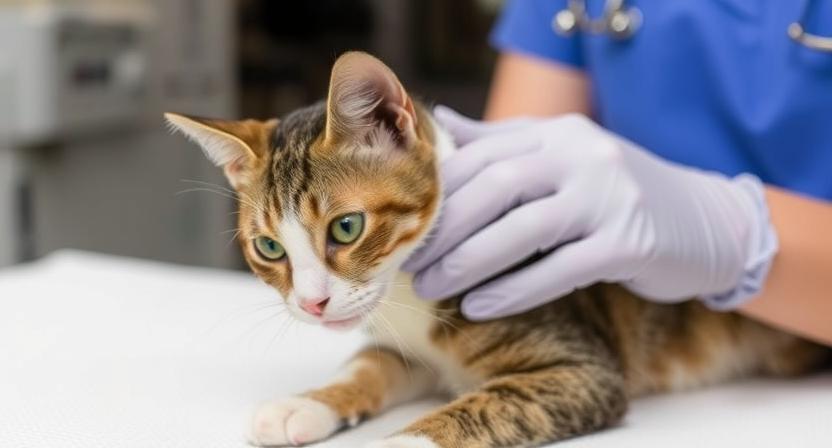
Our Cat Dermatology Services
At VetQueens Animal Hospital, we provide a wide range of dermatology services to address various skin conditions in cats. Our dermatology services include:
1. Comprehensive Skin Examination
A thorough skin examination is the first step in diagnosing your cat’s condition. During the exam, our veterinarians will:
- Inspect the skin for signs of infection, parasites, or inflammation
- Look for signs of allergies, such as red or inflamed patches
- Check the coat for signs of hair loss or unusual texture
- Assess for parasites like fleas, mites, or ticks
- Perform a detailed history to determine any potential triggers (such as food or environmental allergens)
2. Allergy Testing and Management
If your cat is experiencing skin issues due to allergies, we offer both food allergy testing and environmental allergy testing. We can help identify the specific allergens causing the problem and develop a treatment plan tailored to your cat’s needs. This may include:
- Medication to reduce itching and inflammation
- Dietary changes to eliminate food allergens
- Immunotherapy (allergy shots) to help desensitize your cat to environmental allergens
3. Flea and Parasite Treatment
Fleas, ticks, and mites are common causes of itching and skin irritation in cats. We offer effective treatments for eliminating these parasites and preventing future infestations, including:
- Topical or oral flea treatments
- Flea prevention programs to protect your cat year-round
- Parasite screening to detect and treat mites, ticks, and lice
4. Skin Biopsy and Laboratory Testing
In some cases, it may be necessary to conduct biopsies or other lab tests to determine the exact cause of your cat’s skin condition. These tests can help us:
- Identify skin infections (bacterial, fungal, or viral)
- Diagnose skin cancer or tumors
- Evaluate for immune system diseases that could affect the skin
- Identify hormonal imbalances (such as hypothyroidism) that can impact skin health
5. Hot Spot Treatment
Hot spots are painful, moist, infected areas that can result from excessive licking, scratching, or irritation. Our veterinarians will:
- Clean and disinfect the affected area
- Prescribe medications to reduce inflammation and prevent infection
- Provide guidance on how to prevent future flare-ups, including behavior modification or preventive care
6. Chronic Skin Condition Management
For cats with long-term skin issues, such as eczema, dermatitis, or feline acne, we provide ongoing care to manage the condition. This may include:
- Topical treatments like medicated shampoos or creams
- Oral medications to control inflammation or infection
- Nutritional supplements to support skin health
- Regular follow-up visits to monitor progress and adjust treatments as necessary
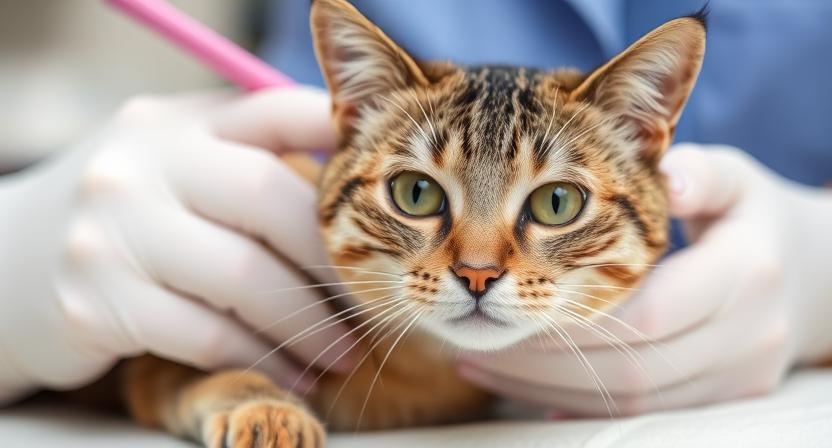
Preventing Skin Conditions in Cats
While some skin problems are unavoidable, there are several steps you can take to prevent dermatologic issues in your cat:
- Regular grooming: Brushing your cat’s fur can help prevent matting and hairballs, as well as remove dirt, parasites, and allergens.
- Flea prevention: Use effective flea and tick prevention products year-round to reduce the risk of infestations.
- Proper nutrition: Ensure your cat is on a high-quality, balanced diet that supports skin health. Omega-3 fatty acids, in particular, are great for maintaining a healthy coat.
- Bathing: While not all cats tolerate baths, using a gentle, vet-approved shampoo can help manage skin conditions like dandruff or dry skin.
Why Choose VetQueens Animal Hospital for Your Cat’s Dermatology Care?
At VetQueens Animal Hospital, we understand the challenges that skin conditions can present for both you and your cat. Our team of skilled veterinarians uses advanced diagnostic tools and a personalized approach to ensure the best care for your cat’s dermatologic needs. We take the time to thoroughly assess your cat’s condition and create a treatment plan that addresses both the symptoms and the root causes of their skin issues.
If your cat is experiencing skin problems, don’t hesitate to contact us. Our compassionate team is here to provide expert care and support every step of the way.
-
What are the most common skin problems in cats?
-
How can I tell if my cat has allergies?
-
What are hot spots, and how can they be treated?
-
How do you diagnose a skin condition in cats?
-
Can my cat's skin condition be caused by food allergies?
-
What are the signs that my cat has a flea infestation?
-
How is a skin infection in cats treated?
-
Can skin problems in cats be prevented?
-
How do you treat parasites in cats?
-
Why should I choose VetQueens Animal Hospital for my cat’s dermatology care?