

Cat Deworming Services at VetQueens Animal Hospital
Parasites are a common health issue for cats, and intestinal worms can cause serious problems if left untreated. At VetQueens Animal Hospital, we provide comprehensive cat deworming services to help keep your furry friend healthy and free from parasites. Whether your cat is showing symptoms of a worm infection or simply needs routine deworming, we offer safe and effective treatments to eliminate intestinal parasites and prevent future infections.
What Is Cat Deworming?
Cat deworming refers to the process of removing intestinal parasites—such as roundworms, hookworms, tapeworms, and whipworms—from your cat's body. These parasites can affect your cat’s digestive system, causing a range of health issues, including weight loss, vomiting, diarrhea, and even more serious conditions like malnutrition and anemia.
While many cats may not show obvious signs of worm infestations, it’s still important to keep up with regular deworming to prevent potential health problems. Cats who are at higher risk for parasitic infections include kittens, outdoor cats, and those who interact with other animals.
Common Types of Worms in Cats
There are several types of intestinal worms that can affect cats, each with its own set of symptoms and potential risks. The most common types include:
- Roundworms: These are the most common type of worms in cats, especially in kittens. They can cause weight loss, bloated abdomen, diarrhea, and vomiting. Roundworms are usually transmitted through contaminated food, water, or feces.
- Tapeworms: Tapeworms are flat, segmented worms that can cause itching around the cat’s anus, weight loss, and vomiting. Cats typically get tapeworms by ingesting fleas or infected rodents.
- Hookworms: These parasites latch onto the lining of the intestines and can cause blood loss, anemia, and diarrhea. Hookworms are transmitted through ingestion of contaminated soil or by larvae penetrating the skin.
- Whipworms: Although less common, whipworms can still infect cats and cause symptoms like diarrhea, weight loss, and abdominal discomfort. They are usually spread through contact with contaminated feces or soil.
Symptoms of Worm Infections in Cats
While some cats may not show signs of a worm infection, others will exhibit noticeable symptoms. Common signs that your cat may have worms include:
- Vomiting, especially with visible worms in the vomit
- Diarrhea or inconsistent stool
- Weight loss despite normal eating habits
- Bloated abdomen or visible swelling in the stomach area
- Scooting or excessive licking around the anus
- Visible worms in the feces (especially tapeworms)
- Fur loss or a dull, unkempt coat
- Lethargy or lack of energy
If your cat is showing any of these symptoms, it’s important to seek professional veterinary care for a proper diagnosis and treatment plan.
How We Perform Cat Deworming at VetQueens
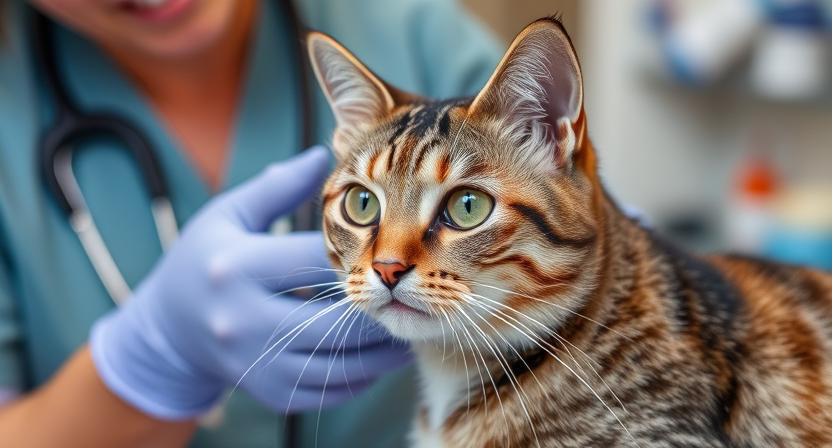
At VetQueens Animal Hospital, we take a careful, thorough approach to deworming your cat. The first step is a comprehensive examination to assess your cat’s overall health. If your cat shows signs of a worm infection, or if it’s time for their routine deworming, we may perform the following:
- Fecal analysis: A sample of your cat’s stool is tested to identify the presence of parasitic eggs or larvae. This helps us determine which type of worm your cat may be infected with and tailor the deworming treatment accordingly.
- Physical examination: Our veterinarians will conduct a thorough examination to assess any signs of malnutrition, dehydration, or other health concerns caused by the worm infestation.
- Deworming medication: Based on the type of parasite your cat is infected with, we will recommend and administer the appropriate deworming medication. These medications are highly effective at eliminating worms and are available in various forms, including tablets, liquids, and injectable treatments.
- Follow-up care: After your cat’s treatment, we may recommend a follow-up visit to ensure the worms are fully eliminated and your cat is recovering well. Depending on the severity of the infection, multiple doses may be required.
Deworming for Kittens
Kittens are especially vulnerable to intestinal parasites, and early deworming is essential to their overall health. Most kittens are born with roundworms and may need to be dewormed as early as 2-3 weeks of age, with follow-up treatments at 4, 6, and 8 weeks. Regular deworming is crucial in preventing health issues like poor growth, vomiting, and diarrhea.
We also offer kitten-specific deworming treatments and health check-ups to ensure they’re growing and developing as they should.
Why Regular Deworming Is Important
Even if your cat seems healthy and shows no symptoms, regular deworming is essential for preventing parasite infestations. Without proper treatment, worms can cause long-term damage to your cat’s digestive system and overall health. Regular deworming is especially important for:
- Kittens: They are particularly prone to worm infestations and can suffer severe complications without treatment.
- Outdoor cats: Cats that spend time outside are at a higher risk of ingesting parasites through contaminated food, water, or prey.
- Cats with compromised immune systems: Cats with weakened immune systems (due to age, illness, or medication) are more susceptible to worm infections.
Preventing Worms in Cats
While deworming is crucial for treating existing infestations, preventing worm infections is just as important. Some steps you can take to protect your cat include:
- Flea control: Fleas are a common vector for tapeworms. Keeping your cat on a regular flea prevention plan will help reduce the risk.
- Keep your cat indoors: Limiting your cat’s outdoor exposure can decrease their risk of contracting worms from other animals or contaminated environments.
- Regular vet check-ups: Regular exams and stool tests can help detect any early signs of a worm infection before it becomes a serious problem.
Why Choose VetQueens for Cat Deworming?
At VetQueens Animal Hospital, we are committed to providing the best possible care for your cat. Our experienced veterinarians will help you choose the right deworming schedule for your cat and provide treatments that are safe, effective, and tailored to your cat’s needs.
Whether your cat is experiencing symptoms of a worm infestation or you want to ensure they are protected through routine care, VetQueens Animal Hospital is here to help. Contact us today to schedule a consultation for your cat’s deworming needs.
-
What is cat deworming?
-
Why should my cat be dewormed?
-
What types of worms affect cats?
-
How do cats get worms?
-
What are the signs that my cat has worms?
-
How is deworming done for cats?
-
How often should I deworm my cat?
-
Is deworming safe for my cat?
-
Can indoor cats get worms?
-
What should I do if I think my cat has worms?