

Cat Medication at VetQueens Animal Hospital
Medications are a vital part of feline healthcare, helping to manage a wide range of medical conditions. Whether your cat requires antibiotics for an infection, pain relief after surgery, or chronic disease management such as for diabetes or hyperthyroidism, VetQueens Animal Hospital offers expert medication services tailored to your cat’s unique health needs. Our experienced veterinarians ensure the proper diagnosis and provide the most effective treatments to keep your cat healthy and comfortable.
Why Does My Cat Need Medication?
Just like humans, cats can suffer from various conditions that require medical treatment. Medications are often necessary to manage these conditions, alleviate symptoms, and improve your cat’s quality of life. At VetQueens Animal Hospital, we prescribe medications for many common feline health issues, including:
- Infections: Bacterial, viral, or fungal infections can affect your cat’s organs, skin, and digestive system. Medications such as antibiotics or antivirals are often required.
- Chronic diseases: Conditions like diabetes, hyperthyroidism, kidney disease, or arthritis often require long-term medication to manage symptoms and prevent further complications.
- Pain management: After surgery or injury, cats may need pain relief to recover comfortably and quickly.
- Parasite control: Medications are necessary to prevent or treat flea, tick, and worm infestations that can affect your cat’s health.
- Allergies and inflammation: Medications like corticosteroids or antihistamines are often used to treat allergic reactions, inflammation, or chronic skin conditions.
- Preventative care: Some medications, such as vaccines or heartworm prevention, help protect your cat from potential health threats.
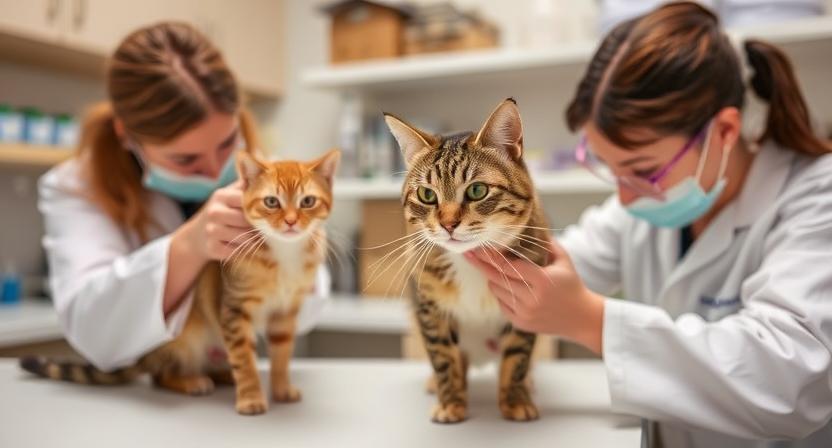
Types of Medications for Cats
At VetQueens Animal Hospital, we offer a variety of medications based on your cat’s diagnosis and treatment plan. Some of the most common types of medications we prescribe include:
1. Antibiotics
Antibiotics are used to treat bacterial infections, such as respiratory infections, urinary tract infections (UTIs), or abscesses. Common antibiotics for cats include amoxicillin, doxycycline, and enrofloxacin. It's crucial to follow the prescribed dosage and duration to ensure full recovery and prevent antibiotic resistance.
2. Pain Relief and Anti-Inflammatory Medications
Whether your cat is recovering from surgery or suffering from conditions like arthritis, pain relief is essential for their comfort. Non-steroidal anti-inflammatory drugs (NSAIDs) and opioids are commonly used to treat pain and inflammation in cats. Our veterinarians will choose the right medication and dosage based on your cat’s specific needs.
3. Hormonal Medications
For cats with hyperthyroidism or diabetes, hormonal treatments are often required. Methimazole is a common medication for hyperthyroidism, while insulin injections are essential for diabetic cats. Regular monitoring is required to ensure these medications are effectively managing your cat's condition.
4. Flea, Tick, and Worm Medications
Parasites such as fleas, ticks, and worms can cause serious health issues in cats. We offer oral medications, spot-on treatments, and topical solutions to eliminate or prevent infestations. These treatments are available as preventative care or to address existing infestations.
5. Antifungal and Antiviral Medications
Fungal and viral infections, though less common, may also require specific medications. Antifungal medications like itraconazole or fluconazole are used to treat fungal infections, while antiviral medications may be prescribed for viral conditions such as feline herpesvirus.
6. Allergy and Dermatological Medications
Cats with skin conditions or allergies often require medications like steroids (e.g., prednisone) or antihistamines to alleviate itching and inflammation. Long-term treatments may also involve immune-modulating drugs to help manage chronic allergies or autoimmune diseases.
7. Sedatives and Anxiolytics
If your cat is experiencing anxiety or is undergoing a procedure that requires sedation, we may prescribe sedatives or anti-anxiety medications. These medications can help reduce stress during travel, visits to the vet, or in the face of loud noises like fireworks or thunderstorms.
8. Eye and Ear Medications
Cats with eye or ear infections may require topical treatments like antibiotic eye drops or ear ointments. These medications target the infection directly and relieve symptoms such as redness, discharge, and swelling.
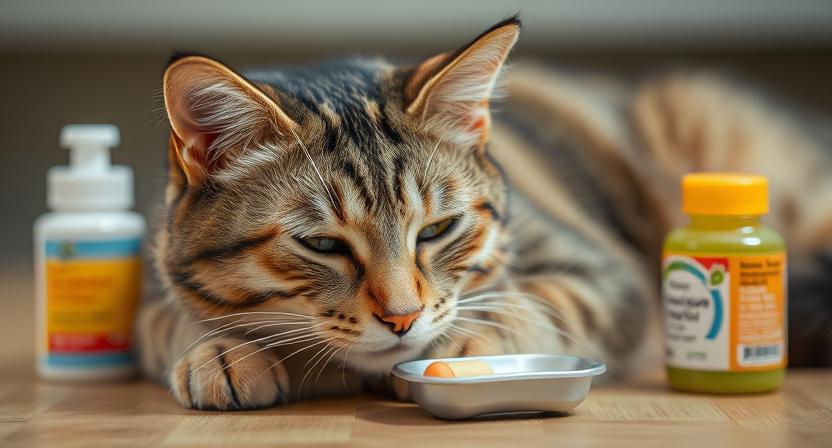
Administering Medication to Your Cat
Administering medication to your cat may seem challenging, but with the right approach, it can be a smooth process. Here are some tips for giving your cat their medication:
- Pills and Tablets: You can hide pills in a treat, or use a pill pocket to make the process easier. For more stubborn cats, a pill dispenser can help you place the medication directly into their mouth.
- Liquid Medications: Use a syringe or dropper to give liquid medication directly into your cat’s mouth. Ensure the syringe is placed between the cheek and teeth to prevent choking.
- Topical Medications: When applying spot-on treatments or creams, ensure your cat doesn’t lick the area until the medication has absorbed. You may need to use an Elizabethan collar (cone) to prevent licking.
- Consistency is Key: Always follow the prescribed schedule and complete the full course of treatment. If you miss a dose, consult your vet for advice on the next steps.
Why Choose VetQueens Animal Hospital for Your Cat’s Medication Needs?
At VetQueens Animal Hospital, we are dedicated to providing the best care for your cat, including safe and effective medication management. Our experienced veterinarians will carefully diagnose your cat’s condition and recommend the most appropriate medications. We also provide:
- Personalized treatment plans: Each cat is unique, so we tailor medication regimens to fit their individual health needs.
- Monitoring and follow-up care: After prescribing medications, we schedule follow-up visits to monitor progress and adjust treatment if necessary.
- Education and guidance: We educate pet owners on the importance of following the treatment plan and offer guidance on how to administer medications at home.
We understand how important your cat’s health is, and we are here to support you every step of the way. Whether it’s a short-term prescription for an infection or long-term medication for a chronic condition, VetQueens Animal Hospital is your trusted partner in feline healthcare.
-
What types of medication can be prescribed for my cat at VetQueens Animal Hospital?
-
How can I make sure my cat takes the prescribed medication?
-
Are there any side effects to cat medications?
-
How long will my cat need to take medication?
-
Can I give my cat human medication?
-
How do I know if the medication is working?
-
What should I do if I miss a dose of medication?
-
Are medications for cats expensive?
-
Can I buy my cat’s medication online?
-
What should I do if my cat refuses to take medication?