

Cat Microchipping at VetQueens Animal Hospital
Losing a cat can be a devastating experience, but with microchipping, you can significantly increase the chances of being reunited with your furry friend. At VetQueens Animal Hospital, we offer professional microchipping services to ensure your cat is safely identified in case they get lost or separated from you. Microchipping is a simple, safe, and effective way to provide permanent identification for your cat, giving you peace of mind knowing that they can always be traced back to you.
What is Microchipping and How Does It Work?
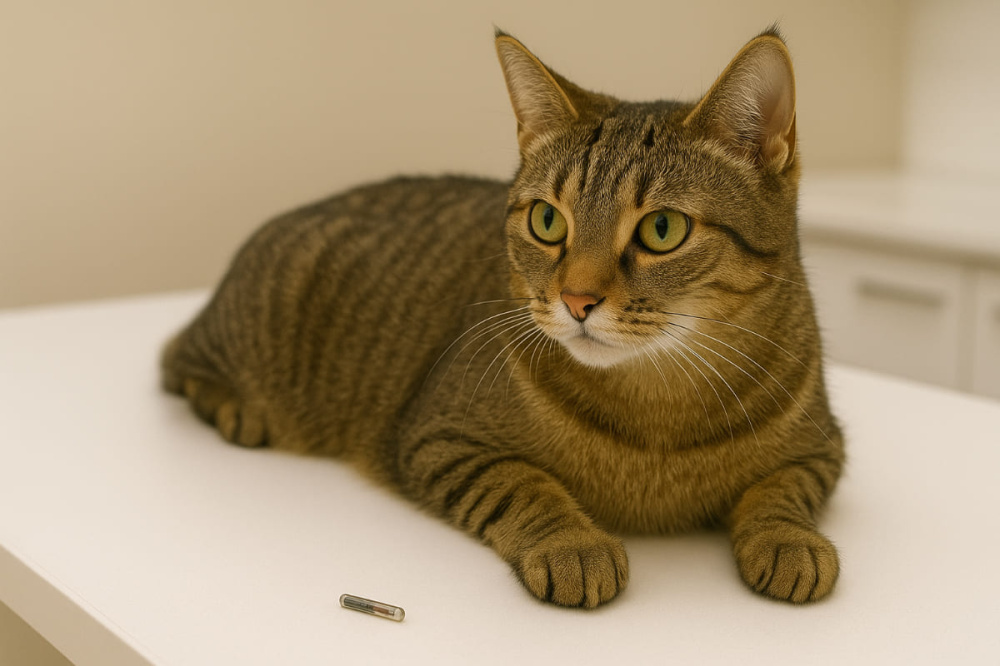
A microchip is a small, rice-sized electronic device that is implanted under your cat’s skin, usually between the shoulder blades. The microchip contains a unique identification number that is registered in a secure database, along with your contact information. If your cat ever gets lost and is found by a shelter, veterinary clinic, or animal rescue organization, they can scan the microchip to retrieve your contact details, making it easier to reunite you with your cat.
Here’s how the process works:
- Microchip Implantation: The procedure is quick, simple, and safe. The microchip is inserted just under the skin using a needle. It’s a similar experience to a vaccination injection and only takes a few seconds.
- Registration: Once the microchip is implanted, we help you register your details in a secure database, which ensures that your cat’s identification information is easily accessible to shelters and veterinarians.
- Permanent Identification: Unlike collars or tags, microchips are permanent and can’t be lost or removed. Your cat’s identification will stay with them for life.
Why Should I Microchip My Cat?
While collars and tags are common identification methods, they can be easily lost or removed, leaving your cat without a way to be identified. A microchip is a permanent solution that provides many benefits:
- Permanent Identification: The microchip cannot be lost or removed, ensuring that your cat will always have a reliable form of identification.
- Improved Chance of Reuniting: If your cat gets lost, shelters and veterinary clinics will scan for a microchip. This significantly increases the likelihood of finding and returning your cat to you.
- No Maintenance Required: Unlike collars or tags, microchips don’t require regular checks, cleaning, or replacement. Once implanted, it’s a one-time procedure that lasts a lifetime.
- Required for Travel: If you plan to take your cat on a trip, especially internationally, a microchip may be required for identification and pet travel regulations.
- Peace of Mind: Knowing that your cat has a permanent form of identification gives you peace of mind, even if they’re outside or get lost.

Is Microchipping Safe for My Cat?
Yes! Microchipping is a safe and routine procedure that is widely used in veterinary practices across the world. It’s a quick and minimally invasive process that doesn’t require anesthesia. The microchip is made of biocompatible materials, which ensures that it will not harm your cat or cause any side effects. Most cats experience little to no discomfort during or after the procedure, and there’s no need for follow-up visits.
If your cat is nervous or stressed during the process, our compassionate team at VetQueens Animal Hospital will take extra steps to ensure they’re as comfortable and calm as possible.
When Should I Microchip My Cat?
It’s ideal to microchip your cat as early as possible. The procedure can be done during routine wellness exams, vaccinations, or spaying/neutering. However, it’s never too late to microchip an adult cat—whether they are young or old, they can benefit from the added security a microchip provides.
How Do I Register My Cat’s Microchip?
After the microchip is implanted, it is essential to register the microchip’s unique number in a secure database, along with your up-to-date contact information. VetQueens Animal Hospital will assist you with the registration process, ensuring your information is correctly entered and up-to-date. Remember, it’s crucial to update your details whenever you move or change your phone number so that you can be easily reached if your cat is found.

Microchip vs. Traditional Collars
While a collar with an ID tag is a great secondary form of identification, it has limitations:
- Collars and tags can get lost, fall off, or be removed, especially if your cat is active outdoors.
- Microchips are a permanent form of identification that cannot be lost or removed, providing added security for your cat.
It’s still recommended to use both a collar with tags and a microchip to maximize your cat’s chances of being returned home if lost.
Why Choose VetQueens Animal Hospital for Microchipping?
At VetQueens Animal Hospital, we understand how important your cat’s safety and well-being are. That’s why we offer microchipping services as part of our comprehensive veterinary care. Our skilled and compassionate team ensures that the procedure is quick, painless, and stress-free. We also provide:
- Professional guidance: We’ll walk you through the entire microchipping process, from the procedure itself to the registration and updating of your contact information.
- Experienced veterinarians: Our vets are highly trained and experienced in performing microchipping and other preventive care procedures.
- Ongoing support: We’re here to assist you if you need help updating your contact details or if you have any questions about microchipping after the procedure.
Protect your cat today by scheduling a microchipping appointment at VetQueens Animal Hospital. With a simple, quick, and painless procedure, you can ensure that your cat will always have a permanent form of identification.
-
What is microchipping, and how does it work for cats?
-
Is microchipping safe for my cat?
-
At what age should I microchip my cat?
-
Can a microchip help me find my lost cat?
-
What happens if my cat’s microchip is not registered?
-
Will my cat’s microchip ever need to be replaced?
-
Does my cat need to wear a collar if they are microchipped?
-
How long does the microchipping process take?
-
Will my cat feel pain from the microchip?
-
How can I update my contact details if I move or change my phone number?