

Cat Preventive Care at VetQueens Animal Hospital
At VetQueens Animal Hospital, we understand that keeping your cat healthy and happy begins with preventive care. Regular preventive care is crucial for detecting early signs of health problems, maintaining your cat’s well-being, and ensuring they live a long and active life. We offer a wide range of preventive services tailored to your cat’s specific needs, from kittens to senior cats, all designed to help prevent disease and promote overall health.
Why Is Preventive Care Important for Your Cat?
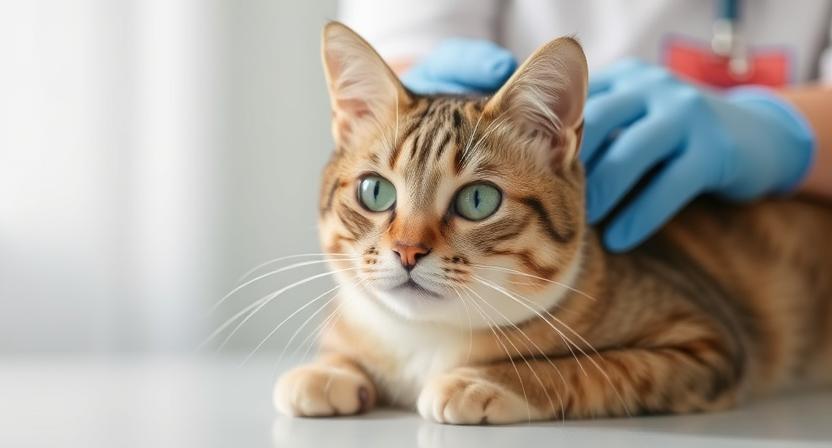
Preventive care is the cornerstone of feline healthcare. Unlike many diseases, the early signs of illness in cats can often go unnoticed. Cats are known for hiding pain or discomfort, making it even more essential to have regular check-ups to catch potential problems before they become serious.
By investing in preventive care, you're not only protecting your cat from avoidable illnesses but also reducing the likelihood of expensive and extensive treatments in the future. Regular exams allow your veterinarian to:
- Detect underlying health issues early
- Provide vaccinations to prevent common infectious diseases
- Keep your cat free of parasites (like fleas, ticks, and worms)
- Ensure your cat maintains a healthy weight and diet
- Offer dental care to prevent oral disease
What Does Preventive Care Include?
At VetQueens Animal Hospital, we offer a comprehensive range of preventive care services to keep your cat in optimal health:
1. Wellness Exams
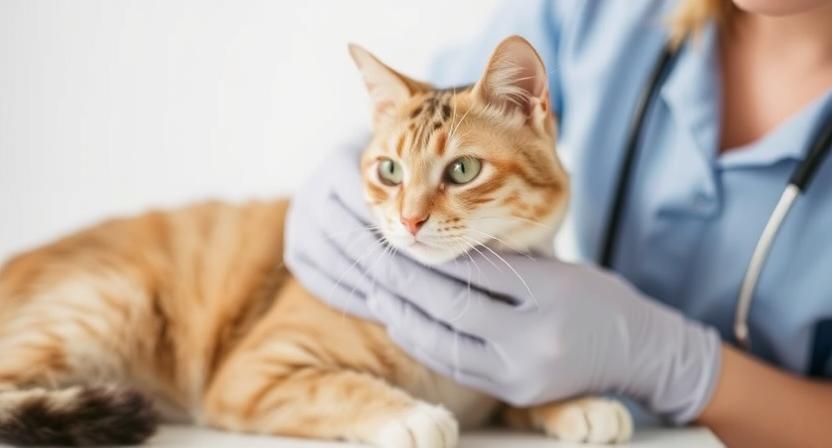
Regular wellness exams are the foundation of preventive care. During these exams, we perform a thorough check-up to assess your cat’s overall health, listen to their heart and lungs, check for any lumps or abnormalities, and monitor their weight. These exams help detect early signs of illnesses like kidney disease, diabetes, and heart conditions, which can be treated more effectively if caught early.
2. Vaccinations
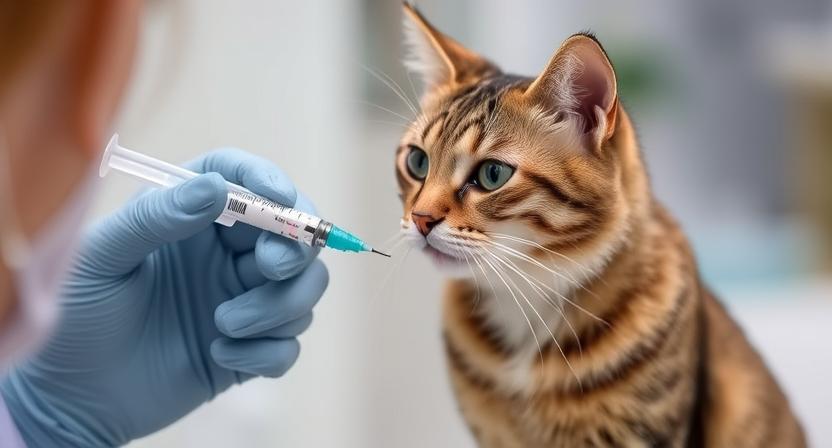
Vaccines are essential to protect your cat from harmful diseases, including rabies, feline leukemia, and feline distemper. At VetQueens Animal Hospital, we follow the latest guidelines to recommend the best vaccination schedule for your cat’s age, lifestyle, and health status. Keeping up with vaccinations is one of the most important steps in preventing infectious diseases.
3. Parasite Prevention
Parasites such as fleas, ticks, and intestinal worms can pose serious health risks to your cat. We offer a variety of effective parasite prevention treatments, including flea and tick medications, deworming, and heartworm prevention. Our veterinarians will recommend the best options based on your cat’s lifestyle and environment.
4. Dental Care
Oral health is a vital part of your cat’s overall well-being. Dental disease is common in cats and can lead to pain, tooth loss, and more serious systemic health problems. Our preventive dental care services include regular check-ups, teeth cleaning, and advice on maintaining good oral hygiene at home.
5. Nutrition & Weight Management
Proper nutrition is critical to maintaining your cat's health. At VetQueens Animal Hospital, we provide expert nutritional advice and help you choose the best food for your cat’s age, breed, and specific needs. Weight management is also an important aspect of preventive care, as obesity can lead to several chronic health problems, including diabetes, arthritis, and heart disease.
6. Senior Cat Care
As your cat ages, their health needs change. Senior cats (usually over 7 years old) require more frequent health monitoring to address age-related issues such as arthritis, kidney disease, and cognitive dysfunction. Our senior cat care services include specialized exams and tests, as well as recommendations for supporting your cat’s aging body.
7. Microchipping & Identification
While not strictly a medical service, microchipping is an important part of preventive care. It ensures that your cat can be identified and returned to you if they ever get lost. It’s a simple and permanent way to keep your cat safe, especially if they spend time outdoors.
How Often Should I Schedule Preventive Care for My Cat?
The frequency of preventive care visits depends on your cat’s age, health status, and lifestyle. As a general guideline:
- Kittens should have their first wellness exam and vaccinations around 6-8 weeks of age, with follow-up visits every 3-4 weeks until they are about 16 weeks old.
- Adult cats should have a wellness exam and vaccinations once a year.
- Senior cats should have wellness exams twice a year to monitor for age-related health issues.
Even if your cat appears healthy, it’s essential to stay on top of regular exams and preventive care to maintain their health and catch any potential issues early.
Why Choose VetQueens Animal Hospital for Preventive Care?
At VetQueens Animal Hospital, we take pride in providing comprehensive and compassionate preventive care for your cat. Our experienced veterinarians use the latest diagnostic tools and treatments to ensure your cat receives the best care possible. We focus on creating a preventive care plan that fits your cat’s specific needs, whether they are a playful kitten or a senior cat.
We also prioritize your cat’s comfort and well-being. Our team is dedicated to making each visit as stress-free as possible, providing gentle care and plenty of attention to ensure your cat feels relaxed and safe.
Taking a proactive approach to your cat’s health with preventive care can help them live a longer, healthier life. Schedule an appointment today at VetQueens Animal Hospital, and let us help you keep your cat in optimal health for years to come.
-
What is preventive care for cats, and why is it important?
-
What services are included in cat preventive care at VetQueens Animal Hospital?
-
How often should I bring my cat in for preventive care?
-
Is preventive care necessary for indoor cats?
-
What are the benefits of vaccinations for my cat?
-
Why is dental care part of preventive care for my cat?
-
Can preventive care help with my senior cat’s health?
-
How does parasite prevention work?
-
What should I expect during my cat’s wellness exam?
-
How can I support my cat’s health at home?