

Dog Diagnostic Imaging Services at VetQueens Animal Hospital
At VetQueens Animal Hospital in Queens, NY, we provide state-of-the-art diagnostic imaging services for dogs, helping us accurately diagnose a variety of health conditions. Our advanced imaging technology allows our veterinary team to assess your dog’s internal health and identify underlying issues that may not be visible through a regular physical examination. Whether it's for routine wellness exams, emergency care, or specific diagnostic concerns, our diagnostic imaging services play a critical role in ensuring that your dog receives the most effective treatment plan.
Early detection of health problems is key to a better prognosis, and our diagnostic imaging techniques allow us to identify issues early and tailor treatments that fit your dog's specific needs.
What is Diagnostic Imaging for Dogs?
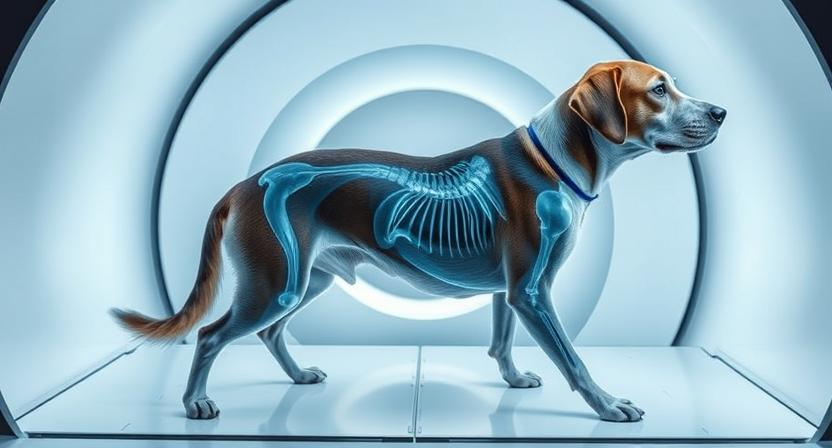
Diagnostic imaging refers to various techniques used to visualize the internal organs, bones, and tissues of your dog. These non-invasive tools provide invaluable information that aids in diagnosing a wide range of conditions, from injuries to organ diseases. The two most common forms of dog diagnostic imaging are:
- X-rays (Radiographs) – Used to view bones, joints, and certain organs in the body. X-rays can help detect fractures, tumors, infections, or conditions like arthritis.
- Ultrasound – Provides a real-time, detailed look at soft tissues, including the heart, liver, kidneys, and abdomen. Ultrasound is excellent for detecting issues such as abdominal masses, heart disease, and gastrointestinal problems.
These diagnostic tools are essential for identifying health problems before they become critical, especially in senior dogs or those with complex medical conditions.
Why is Diagnostic Imaging Important for Dogs?
Diagnostic imaging is crucial because it provides our veterinarians with a clear picture of what’s happening inside your dog’s body. Through imaging, we can:
- Detect hidden problems – Many medical conditions, such as tumors, fractures, or heart disease, may not show up during a physical exam.
- Guide treatment decisions – Imaging allows us to monitor disease progression or see how a dog is responding to treatment, which helps us adjust the plan as needed.
- Minimize invasiveness – Instead of performing invasive exploratory surgery, X-rays and ultrasound can provide immediate, accurate results.
- Prevent long-term complications – Early detection of diseases, such as heart disease or cancer, leads to better treatment outcomes and a longer, healthier life for your dog.
At VetQueens, we focus on early detection and precision, providing your dog with the best chance at a full recovery.

Types of Diagnostic Imaging Available at VetQueens
At VetQueens Animal Hospital, we offer several advanced imaging techniques to provide a thorough diagnosis:
X-rays (Radiographs)
X-rays are one of the most commonly used diagnostic tools to evaluate bone health, identify fractures, dislocations, and monitor joint conditions such as arthritis. Additionally, X-rays can reveal lung conditions, heart size and shape, and certain abdominal issues like intestinal blockages or masses. X-rays are a fast, non-invasive way to assess your dog’s health and provide a starting point for further diagnostic workup if necessary.
Ultrasound
Ultrasound is particularly effective for visualizing soft tissues and is commonly used for conditions involving the heart, liver, kidneys, and abdominal organs. It is invaluable for detecting issues like:
- Abdominal masses or tumors
- Heart disease, including enlargement of the heart or fluid in the chest
- Gastrointestinal problems, such as blockages or motility issues
- Pregnancy – for monitoring a dog's pregnancy and confirming the number of puppies
Ultrasound is safe, non-invasive, and provides immediate results, helping us make informed decisions about your dog’s treatment plan.
Additional Imaging Techniques
Depending on the condition, additional imaging methods may include CT scans or MRI (though less commonly used in veterinary medicine). These techniques are typically used for very detailed views of soft tissues, brain, and spinal cord, often in the case of neurological issues or complex trauma.
How Does Diagnostic Imaging Work for Dogs?
When your dog needs diagnostic imaging, we first conduct a comprehensive physical examination and discuss the symptoms or concerns you’ve observed. Based on this, we will determine which imaging technique is most appropriate for your dog’s condition.
For example:
- X-rays usually require your dog to stand or lie on a table, and the technician will position them to get the necessary images. Depending on the area being examined, your dog may need to be placed under mild sedation for a clearer image or to prevent them from moving.
- Ultrasound is a painless procedure where a gel is applied to the skin, and a handheld device (transducer) is moved over the area of concern to generate images. Your dog may need to be sedated or mildly tranquilized if they are anxious or have difficulty lying still.
Both procedures are quick and involve minimal discomfort. You’ll be able to discuss the results with our team shortly after the imaging is complete.
Common Conditions Diagnosed with Dog Diagnostic Imaging
Diagnostic imaging can be instrumental in diagnosing a wide range of medical conditions in dogs, such as:
- Bone fractures or joint injuries
- Arthritis and degenerative joint disease
- Abdominal tumors or organ enlargement
- Heart disease, including arrhythmias and heartworm disease
- Pulmonary (lung) issues such as pneumonia or tumors
- Gastrointestinal issues, including obstructions or inflammation
- Pregnancy and monitoring fetal health
By using advanced imaging techniques, we can offer a more accurate diagnosis and treatment options for your dog’s condition.
Why Choose VetQueens for Dog Diagnostic Imaging?
At VetQueens Animal Hospital, we use the latest diagnostic imaging technology to ensure that we accurately diagnose and treat your dog’s health issues. We offer:
- Advanced X-ray and ultrasound services
- A team of highly skilled veterinary technicians and specialists
- Fast, non-invasive procedures with minimal discomfort for your dog
- Comprehensive care with personalized treatment plans
We understand the importance of early detection and accurate diagnosis, and our goal is to ensure your dog receives the best care possible.
-
What is diagnostic imaging for dogs?
-
Why is diagnostic imaging important for my dog?
-
What types of diagnostic imaging are used for dogs?
-
How is an X-ray performed on my dog?
-
Is ultrasound safe for my dog?
-
How can diagnostic imaging help with my dog’s treatment plan?
-
Is diagnostic imaging expensive?
-
Can diagnostic imaging help detect cancer in dogs?
-
How long does it take to get results from dog diagnostic imaging?