

Dog Lab Tests at VetQueens Animal Hospital: Essential Diagnostics for Your Dog’s Health
Lab tests are an essential part of maintaining your dog’s health and well-being. At VetQueens Animal Hospital, we offer a comprehensive range of dog lab tests to help diagnose, monitor, and prevent various health conditions. These tests provide crucial insights into your dog’s overall health, enabling our veterinarians to detect problems early and provide the most effective treatments.
Whether it’s a routine check-up or a concern about specific symptoms, our state-of-the-art laboratory facilities and expert veterinary team ensure that all tests are conducted with the highest level of accuracy. At VetQueens, we believe that early detection is key to preventing more serious health issues, and lab tests are an invaluable tool in achieving this goal.
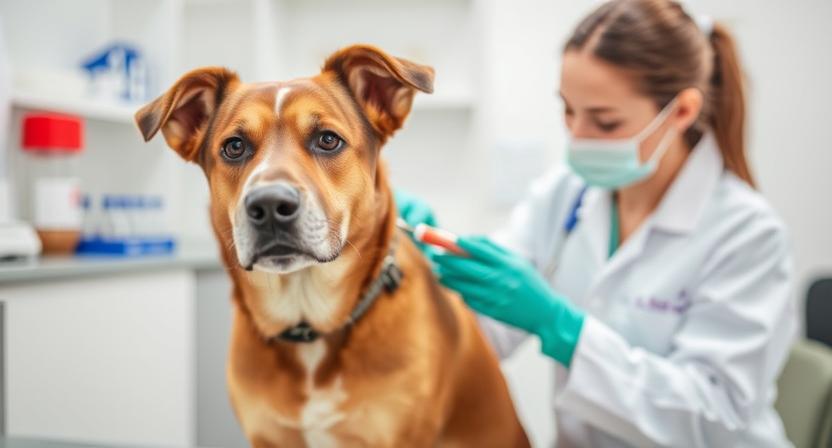
What Are Dog Lab Tests?
Dog lab tests refer to a range of diagnostic tests conducted on blood, urine, stool, and other samples to assess your dog’s health status. These tests can detect infections, organ dysfunction, metabolic issues, and much more. Common types of dog lab tests include:
- Blood tests – To evaluate organ function (liver, kidneys, heart), detect infections, monitor disease progression, and check overall blood health.
- Urine tests – To monitor kidney function, check for bladder infections, or detect diabetes and kidney disease.
- Fecal tests – To check for intestinal parasites, including roundworms, hookworms, giardia, and more.
- Skin scrapings and biopsies – To diagnose skin conditions, including fungal infections or allergies.
These tests provide valuable data that help us identify any underlying conditions that may not be immediately apparent during a physical examination.
When Are Dog Lab Tests Recommended?
At VetQueens Animal Hospital, we recommend dog lab tests in a variety of situations, including:
- Annual wellness exams – Even if your dog appears healthy, regular lab tests are an important part of a preventive care plan to detect hidden health issues early.
- Ongoing monitoring – For dogs with chronic conditions such as diabetes, kidney disease, or heart disease, routine lab tests are essential to monitor the progression of the disease and adjust treatment as needed.
- Diagnostic testing – If your dog is showing signs of illness such as vomiting, diarrhea, weight loss, lethargy, or excessive thirst, lab tests can help identify the underlying cause.
- Pre-surgical screening – Before any surgical procedure, lab tests ensure that your dog is in optimal health and can tolerate anesthesia safely.
- Emergency situations – In case of an acute illness or injury, lab tests help our veterinarians quickly assess your dog’s condition and determine the best course of action.

Types of Dog Lab Tests at VetQueens
We offer a wide variety of lab tests at VetQueens Animal Hospital, each designed to address different aspects of your dog’s health:
1. Blood Tests for Dogs
Blood tests are one of the most common types of diagnostics used by veterinarians. At VetQueens, we use advanced blood tests to assess:
- Complete blood count (CBC) – To evaluate red and white blood cells, platelets, and overall immune function.
- Chemistry panels – To assess liver, kidney, and pancreas function and monitor electrolyte levels.
- Thyroid function tests – To check for hypothyroidism or hyperthyroidism, which are common conditions in dogs.
- Heartworm tests – To check for the presence of heartworm infection, especially if your dog has missed heartworm prevention.
2. Urine Tests for Dogs
Urine testing can reveal important information about your dog’s kidney health, hydration levels, and the presence of infections or metabolic issues. Common urine tests include:
- Urinalysis – To evaluate the concentration, pH, and appearance of your dog’s urine. It can help detect urinary tract infections, kidney disease, and diabetes.
- Urine culture – If your dog has symptoms of a urinary infection, a culture will help identify the specific bacteria and determine the appropriate treatment.
3. Fecal Tests for Dogs
Fecal exams are essential for detecting intestinal parasites, which are common in dogs. These tests can identify hookworms, roundworms, giardia, and other parasites that can cause digestive issues, weight loss, and other health problems. Regular fecal testing helps keep your dog parasite-free and ensures they’re not carrying any infectious organisms.
4. Skin Scraping and Biopsies
If your dog has unexplained skin conditions like rashes, hair loss, or itching, our veterinarians may recommend skin scrapings or biopsy samples to identify the cause. These tests help diagnose conditions such as fungal infections, allergies, or parasites that may not be visible to the naked eye.
5. Specialized Tests
We also offer a variety of specialized tests for more complex conditions, such as:
- Genetic testing for breed-specific diseases
- Cancer screenings to detect early signs of malignancy
- Allergy testing to identify environmental or food-related triggers
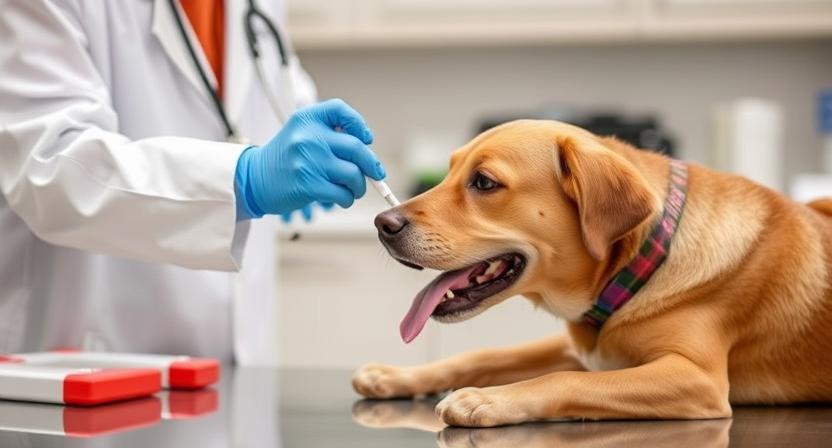
The Importance of Regular Lab Tests for Dogs
Regular lab tests are an important part of a preventive care plan. Even if your dog seems healthy, lab tests can help detect early signs of disease that might not show symptoms yet. For example:
- Kidney disease often develops gradually and may not show signs until it’s advanced.
- Cancer and infection can be detected early through blood work, improving your dog’s chances of successful treatment.
- Diabetes and thyroid issues are common in dogs and can be managed more effectively when detected early.
At VetQueens Animal Hospital, we believe that prevention is the best approach to maintaining your dog’s health. By regularly testing for common conditions, we can identify health concerns early and take proactive measures to keep your dog living a long, healthy life.
Why Choose VetQueens for Your Dog’s Lab Tests?
At VetQueens Animal Hospital, we offer a comprehensive range of dog lab tests using the latest technology and diagnostic equipment. Our team of experienced veterinarians works closely with you to ensure your dog’s health is monitored and managed effectively.
- Advanced diagnostic technology for accurate, fast results
- Personalized care plans based on test results and your dog’s specific needs
- Ongoing support and guidance for managing any health conditions that are identified
- Compassionate veterinary team dedicated to the well-being of your dog
-
What are dog lab tests?
-
Why are lab tests important for dogs?
-
When should my dog get lab tests?
-
What types of lab tests are available for dogs?
-
How do blood tests for dogs work?
-
What do urine tests reveal about my dog's health?
-
How often should my dog have lab tests?
-
Can lab tests detect cancer in dogs?
-
Are dog lab tests safe?
-
Why should I choose VetQueens for my dog's lab tests?