

Dog Spay & Neuter: Responsible Pet Care for a Healthier Future
At VetQueens Animal Hospital in Queens, New York, we are dedicated to promoting responsible pet ownership and ensuring the well-being of your dog through spaying and neutering. These essential procedures not only prevent unwanted pregnancies but also provide numerous health and behavioral benefits for your dog, regardless of their breed or size. Whether you are considering this procedure for your puppy or an adult dog, our experienced veterinarians are here to guide you through the process, answer your questions, and provide the highest quality care.
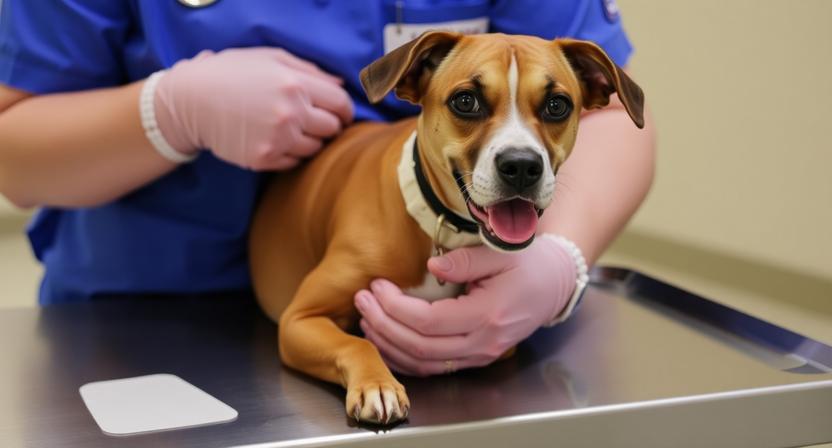
Why Spaying and Neutering Are Important
Spaying (for females) and neutering (for males) are common surgical procedures that help reduce the number of unwanted animals in the community. Each year, millions of dogs are placed in shelters due to overpopulation, and spaying and neutering are crucial steps in combating this issue. However, the benefits extend beyond population control. These procedures can also improve your dog’s health and behavior, helping them live longer, happier lives.
By choosing to spay or neuter your dog, you contribute to the well-being of your pet, the environment, and the broader animal community. At VetQueens, we are committed to educating pet owners about the importance of these procedures and providing safe, compassionate care every step of the way.
Health Benefits of Spaying and Neutering Your Dog
Spaying and neutering your dog offer a wide range of health benefits that can significantly improve their quality of life. These procedures help reduce the risk of certain cancers, infections, and behavioral issues that may arise later in life.
Spaying Benefits for Female Dogs
Spaying involves the removal of the ovaries and uterus, which eliminates the risk of ovarian cancer, uterine infections (pyometra), and breast cancer in female dogs. By spaying your female dog before her first heat, you can greatly reduce the chances of these health issues developing. Additionally, spayed dogs typically experience fewer behavioral problems related to the heat cycle, such as roaming or excessive barking.
Neutering Benefits for Male Dogs
Neutering involves the removal of the testicles, preventing the development of testicular cancer and reducing the risk of prostate problems. Neutered male dogs are often calmer, less aggressive, and less likely to mark territory or engage in unwanted behaviors like mounting. These positive behavioral changes can lead to a stronger bond between you and your pet and reduce the likelihood of behavioral issues at home or in public spaces.
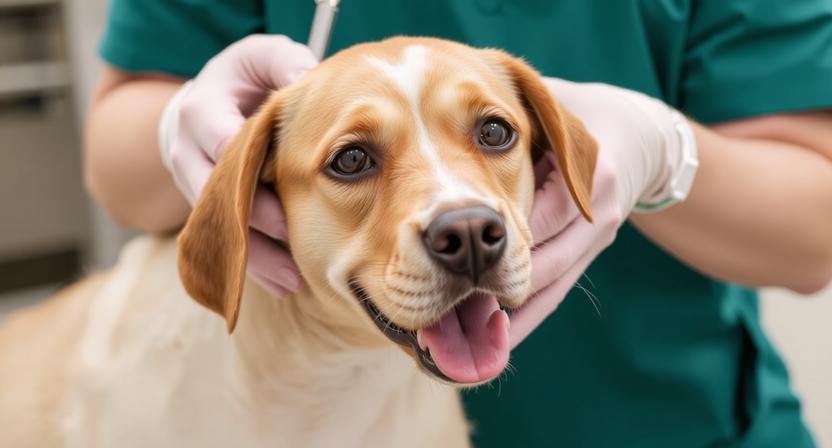
Behavioral Benefits of Spaying and Neutering
While the health benefits are significant, spaying and neutering also have positive effects on your dog’s behavior. By removing the sex hormones that contribute to certain behaviors, you can help your dog become a more well-adjusted and manageable companion.
Reduced Aggression and Dominance Behavior
Neutering male dogs can significantly reduce aggressive and dominant behaviors. Dogs that have been neutered are less likely to engage in territorial disputes or fights with other animals. Similarly, spayed females tend to be less anxious and possessive, leading to fewer behavioral problems, such as guarding or overly aggressive tendencies.
Fewer Distractions and Roaming
Both male and female dogs may attempt to roam or escape in search of a mate. Neutering and spaying help reduce the instinctual urge to roam, making your dog less likely to run away or get lost. This helps keep them safer and more content in your home environment.
When Should I Spay or Neuter My Dog?
The ideal time to spay or neuter your dog depends on several factors, including their breed, size, and health. While many dogs are spayed or neutered as puppies, the procedure can also be performed on adult dogs with no significant risks. At VetQueens, we recommend discussing the best time for the procedure with our veterinary team, who will take into account your dog’s health history and lifestyle.
Spaying and Neutering in Puppies
Many veterinarians recommend spaying or neutering puppies between 6 and 9 months of age. However, the procedure can be performed safely as early as 8 weeks in some cases. Early spaying or neutering helps prevent unwanted behaviors and reduces the risk of health complications down the line. Additionally, puppies typically recover more quickly from the procedure than older dogs.
Spaying and Neutering in Adult Dogs
If you have an adult dog that has not yet been spayed or neutered, it is still a good idea to consider the procedure. Older dogs can experience health benefits as well, including a reduced risk of certain cancers and a calmer demeanor. Our veterinarians will perform a thorough examination to ensure that your adult dog is healthy enough for surgery and will discuss any special considerations based on their age and condition.
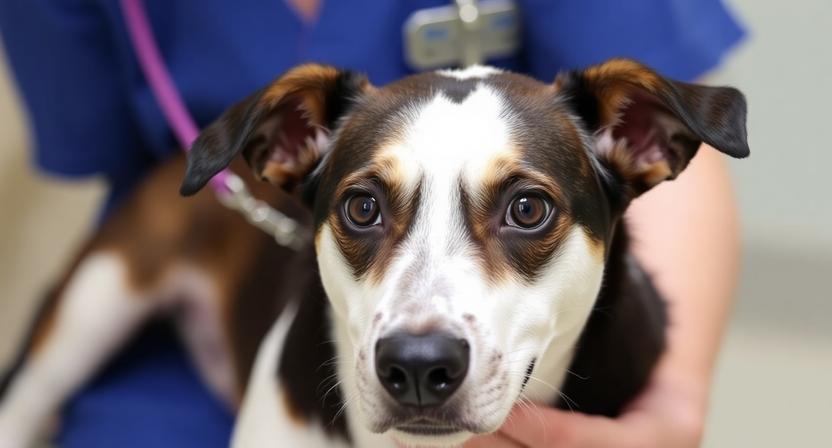
The Spay & Neuter Procedure: What to Expect
The spay and neuter procedures are routine surgeries performed under general anesthesia to ensure your dog remains comfortable and pain-free throughout the process. At VetQueens, we prioritize your dog’s safety and well-being, ensuring that they receive the highest level of care before, during, and after the surgery.
Pre-Surgery Preparation
Before the procedure, our team will conduct a physical exam to assess your dog’s overall health. We may recommend blood tests or other diagnostic procedures to ensure that your dog is in good condition for surgery. On the day of the surgery, we will advise you on fasting guidelines to ensure your dog’s safety under anesthesia.
During the Surgery
The surgery itself is quick, usually lasting between 30 minutes to 1 hour, depending on the dog’s size and the complexity of the procedure. Your dog will be closely monitored throughout the process to ensure their safety. Both spaying and neutering are minimally invasive surgeries, with a low risk of complications.
Post-Surgery Recovery
After the procedure, your dog will be monitored in our recovery area until they wake up from anesthesia. While the recovery time is typically short, you’ll need to keep your dog calm and prevent them from licking or chewing the incision site. We’ll provide detailed aftercare instructions, including information on pain management, activity restrictions, and signs of potential complications.
Aftercare and Recovery: Helping Your Dog Heal
Your dog’s recovery from spaying or neutering is typically straightforward, but it’s important to follow our aftercare instructions carefully to ensure a smooth healing process.
Managing Post-Surgery Discomfort
While most dogs recover quickly, they may experience mild discomfort, swelling, or bruising around the incision site. We will provide pain relief medication to keep your dog comfortable during their recovery. It’s essential to follow the prescribed dosage and observe your dog closely for any signs of discomfort or infection.
Activity Restrictions
For the first few days after surgery, it’s important to limit your dog’s physical activity to prevent strain on the incision site. Avoid running, jumping, or playing rough. We recommend leash walks only during the initial recovery period. Most dogs are back to their normal selves within 7–10 days, but we’ll schedule a follow-up appointment to ensure they’re healing properly.
Incision Care
You’ll need to monitor your dog’s incision site for signs of infection, such as excessive redness, swelling, or discharge. If you notice any unusual symptoms, contact us immediately. We’ll also provide instructions on keeping the area clean and preventing your dog from licking or biting the site, as this can lead to complications.
Why Choose VetQueens for Your Dog’s Spay & Neuter Procedure?
At VetQueens Animal Hospital, we are committed to providing your dog with safe, compassionate care during their spay or neuter surgery. Our experienced team uses the latest surgical techniques and anesthesia protocols to ensure that your dog’s procedure is as smooth and stress-free as possible. We prioritize both the physical and emotional well-being of your pet and work closely with you to ensure the best possible outcome.
If you’re ready to schedule a consultation or have any questions about spaying or neutering your dog, don’t hesitate to contact us. Let us help you provide the best care for your pet, ensuring they lead a happy, healthy, and fulfilling life.
-
What is the difference between spaying and neutering?
-
Why should I spay or neuter my dog?
-
What are the health benefits of spaying and neutering my dog?
-
When is the best age to spay or neuter my dog?
-
Can I spay or neuter an adult dog?
-
Is the spay or neuter procedure safe for my dog?
-
What should I expect before the spay or neuter surgery?
-
How long does it take for my dog to recover after spaying or neutering?
-
What can I do to help my dog recover after surgery?
-
Will spaying or neutering affect my dog’s personality?
-
Is there any post-surgery care required for spaying or neutering?
-
How can I schedule my dog’s spay or neuter surgery at VetQueens?