

Dog Surgery: Expert Surgical Care for Your Beloved Pet at VetQueens Animal Hospital
At VetQueens Animal Hospital in Queens, NY, we understand that surgery can be a stressful experience for both you and your dog. Whether your dog requires routine surgery, emergency procedures, or specialized care, our experienced veterinary team is here to ensure that your pet receives the highest standard of surgical care in a compassionate and safe environment. From minor procedures to complex surgeries, we prioritize your dog’s health, comfort, and well-being at every step.
Our state-of-the-art surgical facilities are equipped with the latest technology and tools to perform a wide variety of dog surgeries. Our team of skilled veterinarians is committed to providing precise, safe, and effective surgical solutions tailored to your dog’s specific needs. Whether your dog needs an elective surgery or a more urgent procedure, we are here to guide you through the process and ensure the best possible outcome.
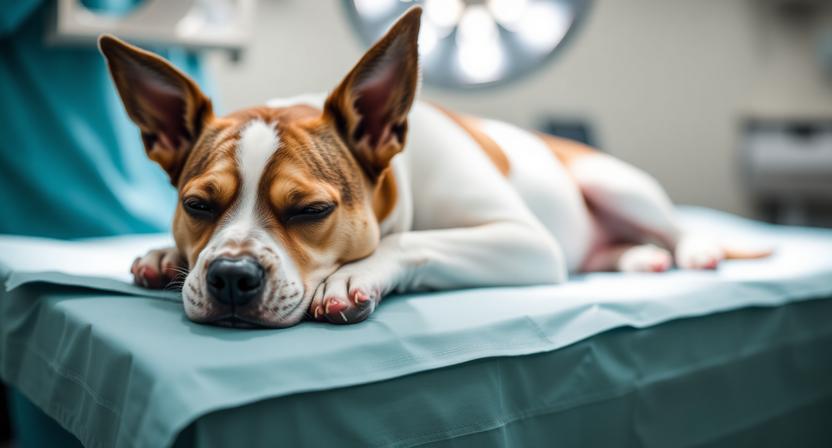
Types of Dog Surgery We Offer at VetQueens Animal Hospital
1. Routine and Elective Surgeries
Routine surgeries are common procedures that are often performed for preventive care or to address minor health issues. Elective surgeries typically include procedures such as:
- Spaying and Neutering: As part of responsible pet ownership, spaying or neutering your dog helps prevent overpopulation and promotes long-term health and behavioral benefits.
- Dental Surgeries: From tooth extractions to gum surgery, dental issues in dogs can significantly impact their health. We offer surgical options to resolve dental problems and improve your dog’s oral health.
- Tumor Removal: Benign and malignant tumors can develop in dogs as they age. Our veterinarians can safely remove growths, performing biopsies when necessary to check for cancerous cells.
2. Emergency and Trauma Surgeries
Accidents and injuries can happen at any time, requiring immediate attention. VetQueens Animal Hospital is fully equipped to handle emergency surgeries for dogs in critical conditions. Some common trauma-related surgeries include:
- Fracture Repairs: Dogs can break bones during accidents, and we specialize in stabilizing fractures and helping bones heal properly.
- Internal Bleeding and Organ Injuries: Trauma to internal organs often requires urgent surgical intervention to stop bleeding and repair damage.
- Bowel Obstructions and Foreign Objects: Dogs often ingest objects that can cause blockages. If your dog has ingested something dangerous or non-digestible, prompt surgery may be necessary to remove the obstruction and avoid serious complications.
3. Soft Tissue Surgery
Soft tissue surgery involves procedures that address issues in your dog’s skin, muscles, and internal organs. Common soft tissue surgeries include:
- Gastrointestinal Surgeries: Dogs may need surgery to correct gastrointestinal problems such as ulcers, foreign body ingestion, or intestinal obstruction.
- Liver and Kidney Surgeries: Sometimes, a dog may require surgery to address issues like tumors, cysts, or damage to organs such as the liver or kidneys.
- Bladder Surgery: We perform surgeries to treat urinary tract issues, such as bladder stones or urethral obstructions.
4. Orthopedic Surgery
Orthopedic surgeries are specialized procedures that address musculoskeletal issues in dogs, especially in cases of injury or degenerative conditions. These surgeries may include:
- Cruciate Ligament Repair (TPLO): The cranial cruciate ligament (CCL) is a common area for injury in dogs, particularly those who are active. Surgical options, such as a Tibial Plateau Leveling Osteotomy (TPLO), are used to repair CCL injuries and restore function to the knee joint.
- Hip and Elbow Dysplasia Surgery: Dogs with hip or elbow dysplasia may require surgery to alleviate pain and improve joint function.
- Fracture Fixation: In cases of severe fractures, surgical fixation with plates, screws, or pins can be used to stabilize the bones and promote healing.
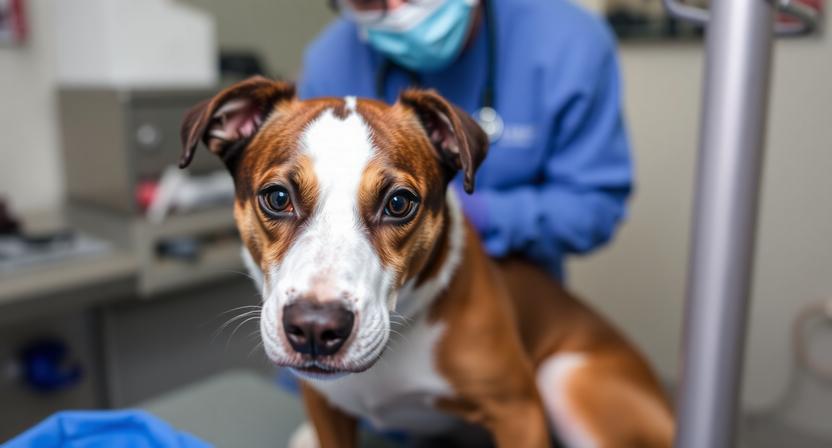
What to Expect Before and After Dog Surgery
Before Surgery:
Before any surgery, our team at VetQueens will conduct a thorough pre-surgical examination. This will include:
- A physical exam to assess your dog’s overall health.
- Blood tests to check organ function and ensure they are fit for anesthesia.
- Imaging tests like X-rays or ultrasound to evaluate the condition of internal organs or bones, if necessary.
We’ll explain the procedure in detail, including any specific preparations you need to make, such as withholding food or water before surgery. We’ll also discuss the anesthesia options and ensure that your dog is fully monitored throughout the procedure.
During Surgery:
The surgery itself will be performed under general anesthesia, ensuring your dog is completely comfortable and pain-free. Our team will carefully monitor their vital signs and ensure that the procedure is completed successfully.
For more complex surgeries, we may use advanced surgical techniques and equipment to provide the best possible outcome. Our goal is to minimize recovery time and reduce the risk of complications.
After Surgery:
Once the surgery is complete, your dog will be moved to a recovery area where our veterinary staff will monitor them as they wake up from anesthesia. Depending on the type of surgery, recovery time can vary:
- For minor procedures, your dog may go home the same day.
- For more complex surgeries, your dog may need to stay overnight for observation and pain management.
We will provide you with detailed aftercare instructions to ensure a smooth recovery. This may include:
- Pain management: We will provide medications to manage pain and discomfort.
- Activity restrictions: For the first few days to weeks, it’s important to limit your dog’s physical activity to allow proper healing.
- Incision care: Keep the surgical site clean and prevent your dog from licking or chewing it, as this can cause infection or complications.
A follow-up appointment will be scheduled to monitor your dog’s progress and ensure they are healing properly.
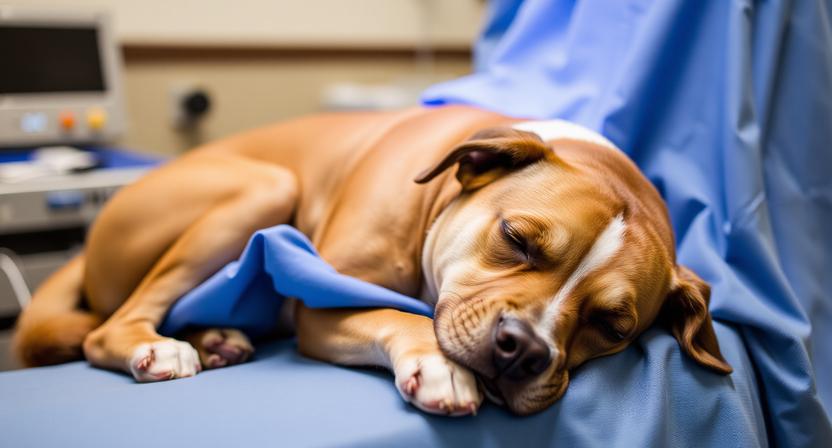
Why Choose VetQueens for Your Dog's Surgery?
At VetQueens Animal Hospital, we combine advanced surgical techniques with compassionate care to ensure that your dog receives the best treatment possible. Here are some reasons to trust us with your dog’s surgery:
- Experienced Surgeons: Our veterinary team is highly skilled and experienced in performing a wide variety of surgeries for dogs, from routine procedures to complex surgeries.
- State-of-the-Art Equipment: We use the latest surgical equipment and technology to ensure safe and precise surgeries.
- Compassionate Care: We understand that surgery can be stressful for both pets and their owners. Our team is dedicated to providing a supportive, caring environment for both you and your dog.
- Comprehensive Aftercare: We provide ongoing care and support during your dog’s recovery, ensuring they heal as quickly and comfortably as possible.
If your dog requires surgery, don’t hesitate to contact us. Our team at VetQueens Animal Hospital is here to guide you through every step of the surgical process, ensuring your dog’s health and happiness are our top priorities.
Aftercare for Dog Surgery: Helping Your Pet Recover
Once your dog undergoes surgery at VetQueens Animal Hospital, we will provide you with detailed instructions on how to help them recover. Here are some general tips for post-surgery care:
- Monitor the Surgical Site: Check the incision area regularly for signs of swelling, redness, or discharge. If you notice anything unusual, contact us immediately.
- Keep Your Dog Calm: Limit physical activity for several days after surgery to allow the body to heal. Avoid running, jumping, or rough play.
- Follow Pain Management Instructions: Administer pain relief medication as prescribed to help manage discomfort.
- Provide a Comfortable Resting Space: Ensure your dog has a quiet, comfortable space to rest during recovery.
With proper care, most dogs make a full recovery and return to their normal activities in no time. However, don’t hesitate to reach out to our team with any questions or concerns during your dog’s healing process.
-
What types of surgeries does VetQueens Animal Hospital perform for dogs?
-
Is dog surgery safe?
-
What should I expect before my dog’s surgery?
-
How long does dog surgery take?
-
How will my dog recover after surgery?
-
Can my dog go home the same day after surgery?
-
How should I care for my dog after surgery?
-
What are the signs that my dog is not recovering well from surgery?
-
Will my dog need stitches after surgery?
-
How long does it take for a dog to recover from surgery?
-
Can surgery affect my dog’s personality or behavior?
-
How can I schedule my dog’s surgery at VetQueens Animal Hospital?