

Diagnostic Imaging at VetQueens Animal Hospital
At VetQueens Animal Hospital, we are committed to providing the best possible care for your pet using advanced diagnostic imaging techniques. Whether your pet is experiencing unexplained symptoms or you need a clear diagnosis of a specific condition, our state-of-the-art imaging technology helps us detect, analyze, and treat various health issues quickly and accurately.
Our team of experienced veterinarians uses cutting-edge equipment to ensure that your pet receives the most comprehensive and precise diagnostics. With diagnostic imaging, we can examine your pet’s internal organs, bones, and soft tissues, helping us detect abnormalities that may not be visible during a routine physical exam.
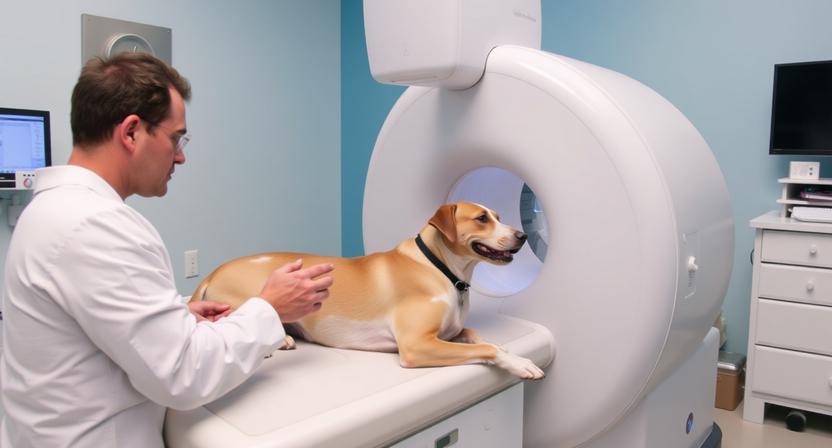
What is Diagnostic Imaging?
Diagnostic imaging refers to a range of techniques used to create detailed images of your pet's internal structures. These images allow our veterinary team to identify potential health problems, assess the severity of a condition, and guide treatment decisions. Diagnostic imaging plays a crucial role in helping us understand your pet's health beyond what we can see with the naked eye.
At VetQueens Animal Hospital, we offer several types of diagnostic imaging, including:
- X-rays (Radiology)
- Ultrasound (Sonography)
- CT Scans (Computed Tomography)
- MRI (Magnetic Resonance Imaging)
Each of these imaging methods has unique advantages, and our veterinarians will choose the most appropriate technique based on your pet’s specific needs.
Types of Diagnostic Imaging We Offer
1. X-rays (Radiology)
X-ray imaging is one of the most common and effective diagnostic tools used in veterinary medicine. It is ideal for detecting:
- Bone fractures, dislocations, and joint problems.
- Tumors or masses within organs such as the lungs, liver, or abdomen.
- Arthritis, hip dysplasia, and spinal issues.
- Obstructions in the gastrointestinal tract.
- Heart enlargement or other cardiovascular issues.
X-rays are non-invasive, quick, and provide detailed images that help us diagnose a variety of conditions.
2. Ultrasound (Sonography)
Ultrasound uses high-frequency sound waves to create images of soft tissues inside your pet’s body. Unlike X-rays, ultrasounds do not use radiation, making them a safe and effective tool for diagnosing issues in soft tissues, such as:
- Abdominal problems, including kidney, liver, and spleen issues.
- Heart conditions, such as evaluating heart function and blood flow.
- Pregnancy detection and monitoring the health of unborn puppies or kittens.
- Tumors and cysts in soft tissue.
- Bladder issues, such as urinary stones or infections.
Ultrasound is an excellent tool for real-time evaluation of organ function and can guide needle biopsies or fluid sample collection.
3. CT Scans (Computed Tomography)
A CT scan provides detailed 3D images by combining multiple X-ray images taken from different angles. This technique is particularly useful for:
- Identifying tumors or abnormalities in organs and tissues.
- Assessing bone fractures or complex skeletal injuries, especially in hard-to-see areas like the skull or spine.
- Detecting brain disorders such as tumors, hemorrhages, or congenital abnormalities.
- Evaluating the respiratory system for issues like lung disease or pulmonary edema.
CT scans are often used when more detailed information is required beyond standard X-rays or ultrasounds.
4. MRI (Magnetic Resonance Imaging)
MRI uses powerful magnetic fields and radio waves to create detailed images of soft tissues. It is ideal for diagnosing:
- Brain and spinal cord issues, such as tumors, infections, or herniated discs.
- Joint and muscle problems, particularly in the soft tissues.
- Internal organ issues that cannot be fully assessed by X-ray or ultrasound.
MRI provides exceptional detail and is especially valuable in evaluating conditions of the brain, spinal cord, and muscles.
Why is Diagnostic Imaging Important for My Pet?
Diagnostic imaging helps us detect health problems early and accurately, often before symptoms become severe. By getting a clear picture of what’s happening inside your pet’s body, we can make more informed decisions about their treatment. Some of the main benefits of diagnostic imaging include:
- Early detection: Imaging can reveal problems that might not be apparent during a physical exam, allowing us to catch issues early and prevent them from worsening.
- Accurate diagnosis: Detailed images help us pinpoint the exact location and severity of a problem, leading to more effective treatments.
- Non-invasive: Most imaging techniques are quick and non-invasive, meaning your pet doesn’t have to undergo surgery or other invasive procedures to obtain crucial diagnostic information.
- Guided treatments: Imaging can help guide procedures such as biopsy, surgery, or fluid drainage, ensuring they are performed accurately.
When Should My Pet Have Diagnostic Imaging?
Your pet may need diagnostic imaging if they are showing symptoms such as:
- Limping or difficulty walking.
- Loss of appetite or weight loss.
- Vomiting, diarrhea, or abdominal pain.
- Coughing, labored breathing, or heart murmurs.
- Seizures, behavioral changes, or coordination problems.
- Persistent coughing or wheezing.
If your pet is showing any of these symptoms, or if your veterinarian suspects an internal condition, diagnostic imaging can provide the answers needed for accurate diagnosis and treatment.
How Do I Schedule Diagnostic Imaging for My Pet?
If your pet is experiencing unexplained symptoms or if your veterinarian recommends diagnostic imaging, contact VetQueens Animal Hospital to schedule an appointment. Our advanced imaging equipment and skilled team are ready to provide thorough, precise evaluations to ensure your pet receives the best possible care.
Call us at +1 (917) 7565734 or book an appointment through our online system. We’re here to help your pet feel better with the most advanced diagnostic tools available!
-
What is diagnostic imaging for pets?
-
Why does my pet need diagnostic imaging?
-
How does X-ray work for pets?
-
What is the difference between ultrasound and X-ray?
-
When should I consider a CT scan or MRI for my pet?
-
Is diagnostic imaging safe for my pet?
-
How long does diagnostic imaging take?
-
Does my pet need anesthesia for diagnostic imaging?
-
How do I know if my pet needs diagnostic imaging?
-
How can I schedule a diagnostic imaging appointment for my pet?